
Why go
This is the clearest place to understand Monaco’s older political and religious center. The palace recalls the Grimaldi stronghold, the cathedral holds princely tombs, and the gardens and museum show how the Rock meets the sea above the nearby harbour.
What to look for
- The palace square opens from narrow streets onto the Rock’s exposed headland.
- Monaco Cathedral stands near the tombs of members of the princely family.
- Saint-Martin Gardens follow the edge of the Rock above the sea.
The full story
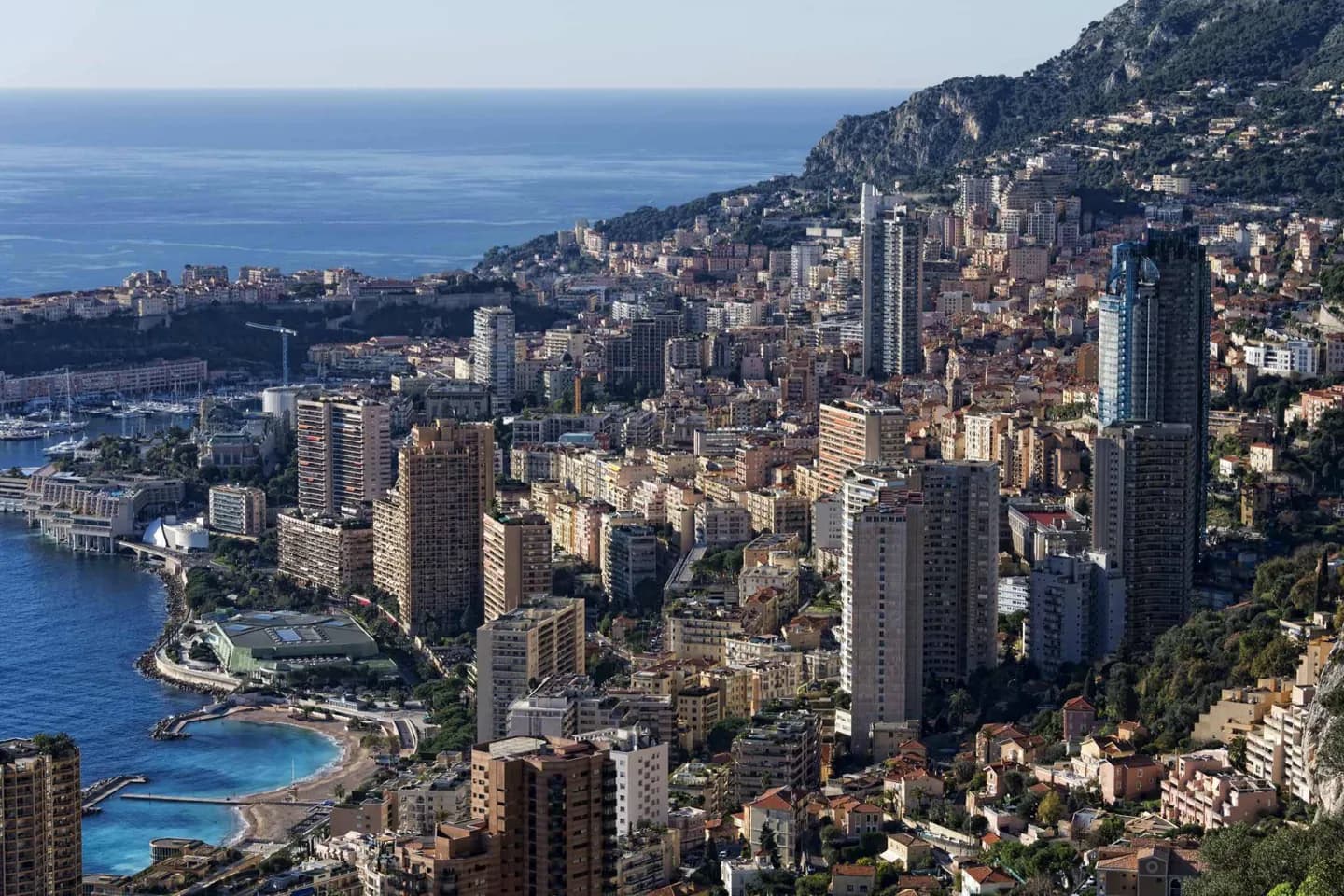
The Rock’s height and harbour position made it a defensible place long before it became Monaco’s most visited quarter. A Genoese fortress rose here in the late twelfth and early thirteenth centuries. François Grimaldi took the stronghold in 1297, and the family later transformed it into the Prince’s Palace while retaining the site as its seat. Monaco-Ville grew around that fortified residence. Its name can suggest a separate city, but it is a district of the Principality of Monaco. Today the palace, cathedral, Chapel of Mercy and Oceanographic Museum sit within a walkable network of old streets. Some medieval fabric remains, though individual buildings reflect many later periods. The setting explains the area’s appeal: visitors move from a compact historic core to gardens and a museum at the cliff edge, with views that clarify the relationship between the Rock, Port Hercule and Monte Carlo.
Useful to know
- Explore the pedestrian lanes on foot and allow for the climb up to the Rock.
- Combine the cathedral and gardens as a shorter visit; add the Oceanographic Museum for a longer one.
- Check the palace State Apartments schedule if you want to enter rather than see the façade.