
Why go
The restoration helps explain why the palace looks layered rather than frozen in one century. In the state rooms, marble floors with Rainier’s double R monogram and the renewed Gallery of Hercules point to twentieth-century work within a much older residence.
The full story
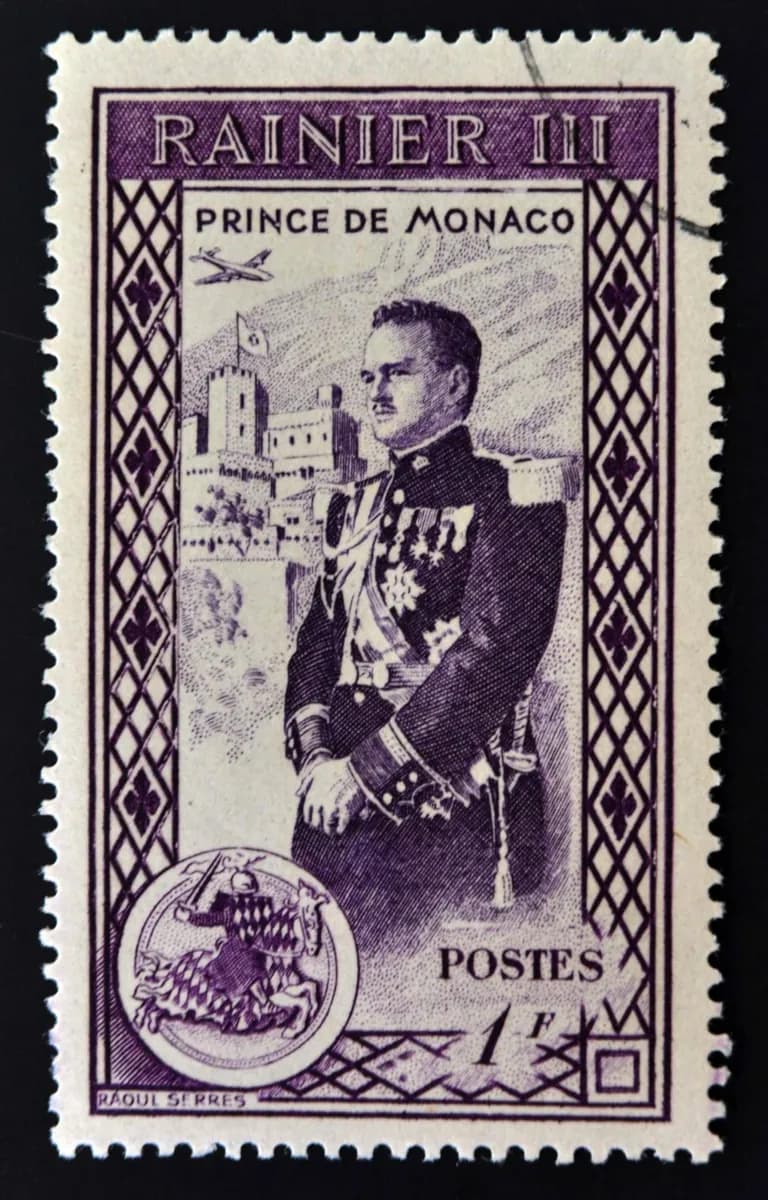
After becoming prince in 1949, Rainier III began a programme of renovation at the palace. Courtyard frescoes were restored and the southern wing, lost after the French Revolution, was rebuilt for private apartments. The Gallery of Hercules received paintings of mythological and legendary heroes, while state rooms were refurnished and redecorated. Restored marble floors include inlaid designs bearing Rainier’s double R monogram. His work formed part of broader change in Monaco: land reclamation, new development and efforts to reduce dependence on gambling income. These later interventions matter when looking at the palace. A medieval fortress had already become a ceremonial residence; Rainier’s restoration made it a working home and public symbol suited to modern Monaco, while leaving visible traces of earlier periods.