
Why go
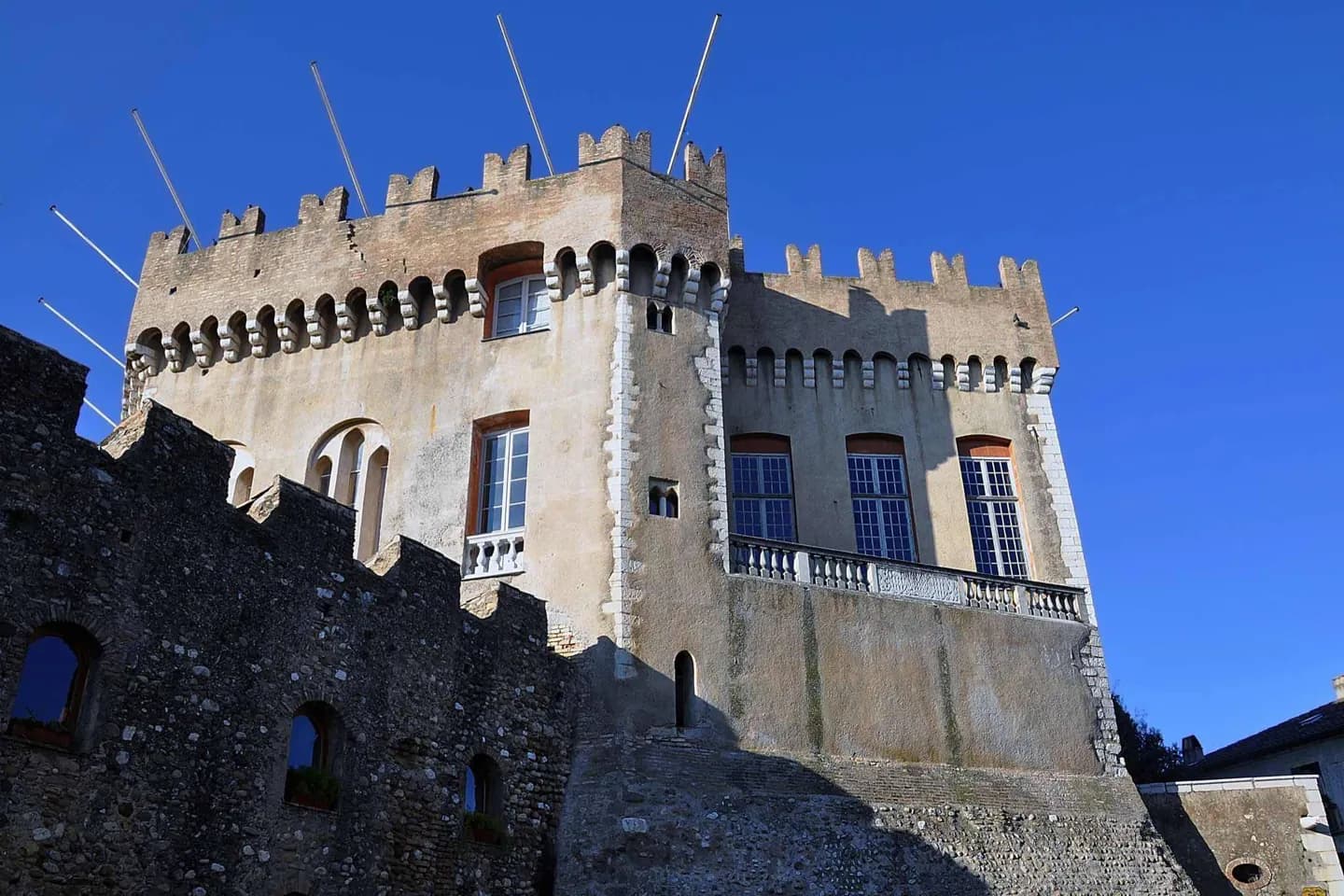
The palace’s towers and irregular layout make more sense when viewed as parts of a stronghold. This history explains why later residential wings were built into an existing defensive site above Monaco’s harbour, and why the building still reads as a series of additions.
The full story
Genoa established a fortified presence on the Rock in the late twelfth century, and a larger fortress took shape in the early thirteenth. The site overlooked the natural harbour and offered a strong position on a coast where control was contested. The Grimaldi, a Genoese family caught in the city’s factional struggles, moved into the wider Riviera region. François Grimaldi captured the Rock in 1297. Family control was not uninterrupted, and later generations strengthened the defences while making the fortress a more workable home. Charles I enlarged it in the fourteenth century with buildings facing the ramparts and the sea. Further wings and walls followed in the fifteenth century as the family developed its seat. The palace that visitors see now includes many later changes, so a tower should not automatically be read as untouched medieval fabric. The enduring point is the site itself: a fortified residence above the harbour became the center of Grimaldi rule.