
Why go
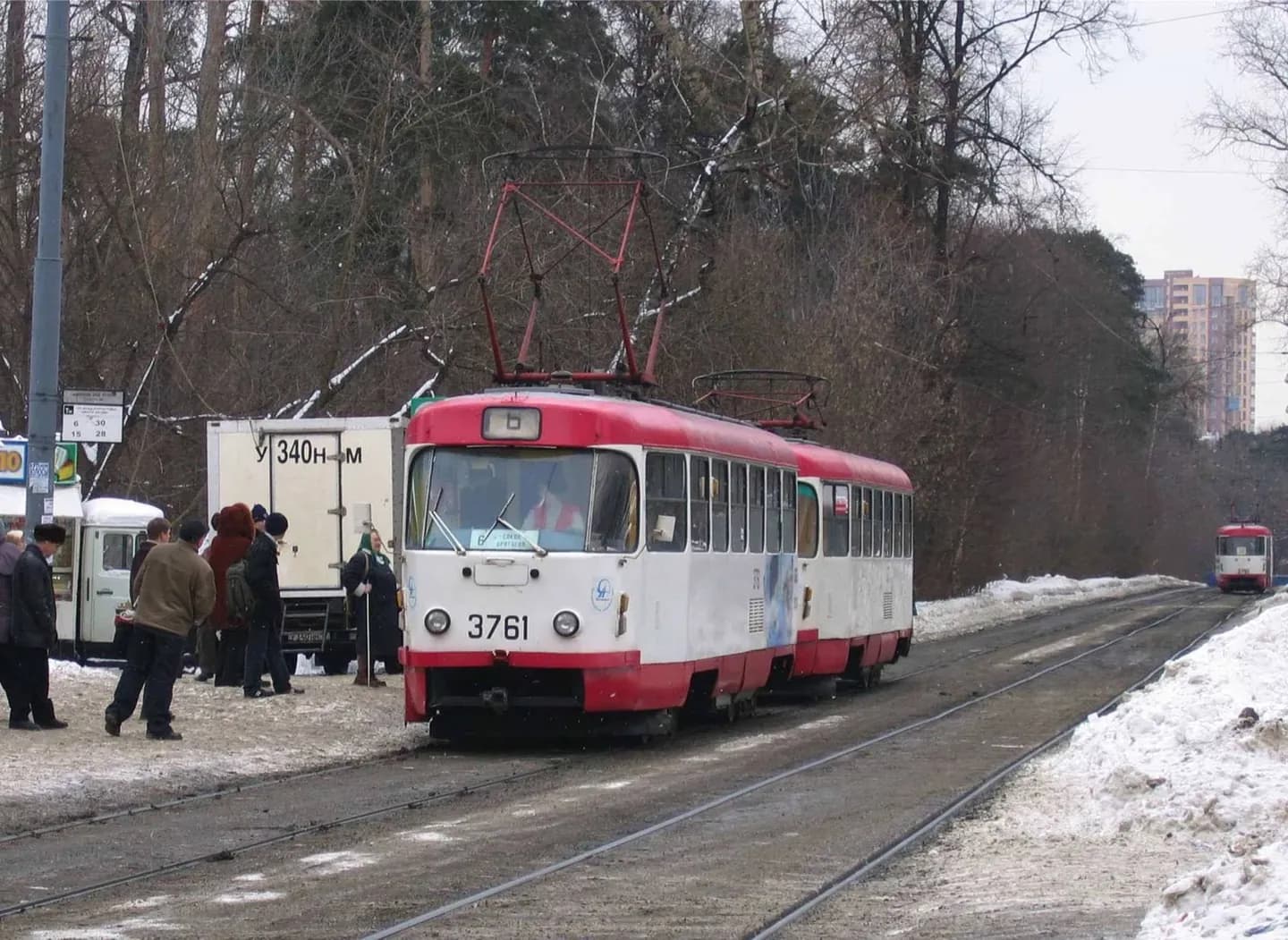
A tram can add context between otherwise isolated districts and is easier to understand when treated as transport, not a guaranteed sightseeing loop. It suits travelers who have time for surface movement and want to see the city between stops.
The full story
Moscow has operated electric trams since the late nineteenth century, but the network has changed repeatedly as Metro lines, roads and other surface services expanded. Remaining routes serve practical corridors rather than forming one complete tourist circuit. Tram travel makes distances and neighborhood transitions visible in a way that underground journeys cannot, but it also shares exposure to traffic, maintenance and diversions. Check the official route and stop direction on the day of travel. Older references to marshrutka minibuses or historic route numbers should not guide a current journey. Use valid fare media and allow extra time when a connection matters. For architecture-led exploration, a tram segment can link a park, residential district or industrial landscape to the Metro. Keep the ride purposeful: choose it because it solves a connection or reveals a district, not because every tram route is automatically scenic.