
Why go
A network-first plan avoids unnecessary taxis and makes distant sights such as Nymphenburg Palace, Olympiapark and Allianz Arena realistic. Understanding zones, ticket validation and the distinction between fast cross-city rail and street-level trams also reduces wasted transfers. For Getting Around by Public Transport, the choice stays tied to Getting Around by Public Transport's actual visitor conditions and Munich geography.
The full story
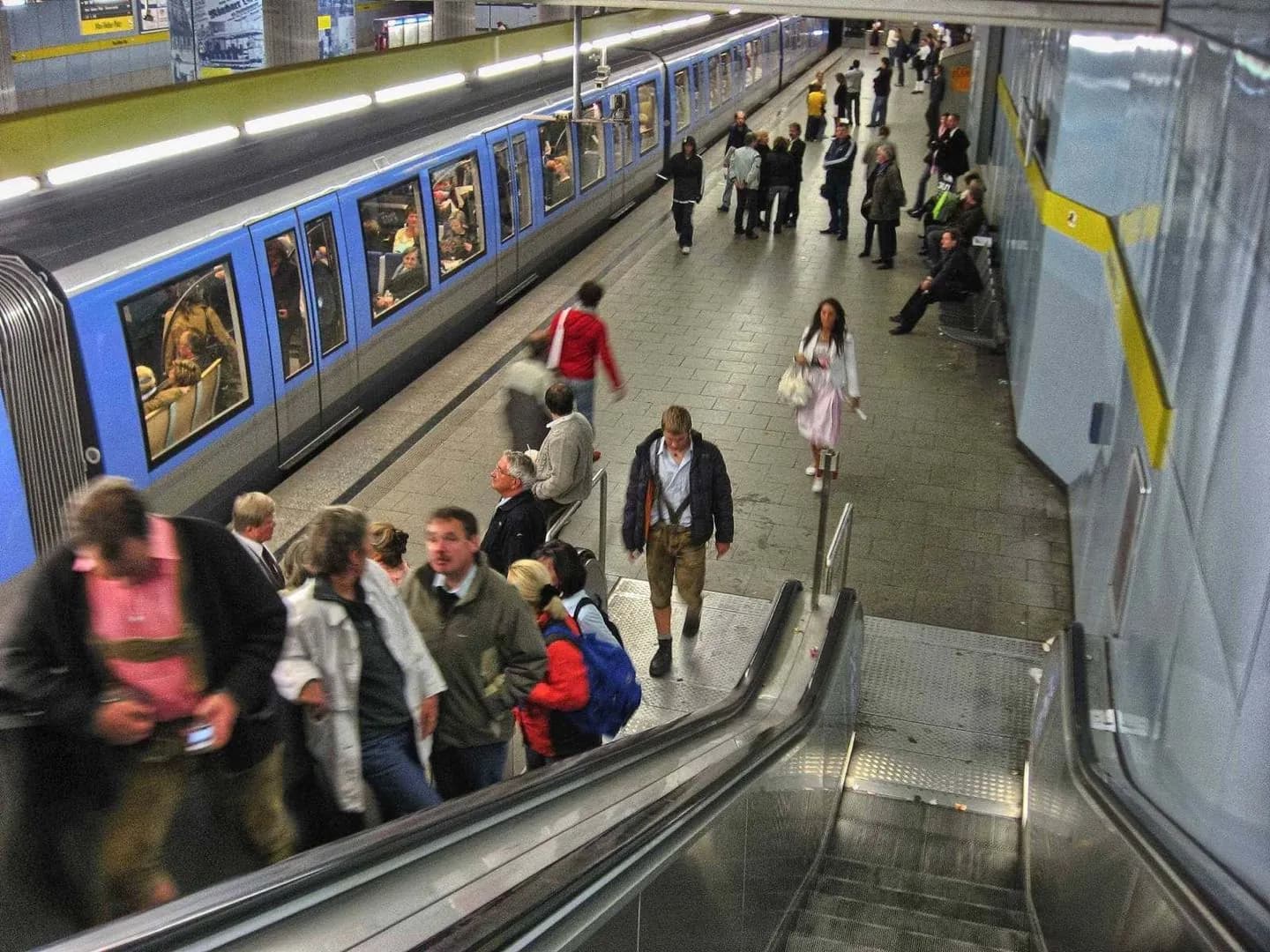
The S-Bahn provides fast regional and cross-city links, including airport service, while the U-Bahn handles many urban journeys. Trams are particularly useful when you want to see how districts connect above ground, and buses fill gaps beyond the rail network. Central stops are close enough that walking often beats a short transfer, especially through the old town. Ticket products, zones, prices and validation procedures can change, so the current MVV or operator information should govern purchase decisions. What remains stable is the need to hold a valid ticket before or at the start of travel and to allow extra time when attending a stadium event or major festival. Accessibility varies by station and temporary lift outages matter; check live information if step-free access is essential. Group and day products can be efficient, but only after comparing the actual journeys planned. Build each day around a geographic cluster, then use transit for the major outward and return legs.
Useful to know
- Check the current MVV journey planner and ticket rules before your first ride.
- Walk between close old-town stops and save transit for Nymphenburg, Olympiapark or other outer anchors.