
Why go
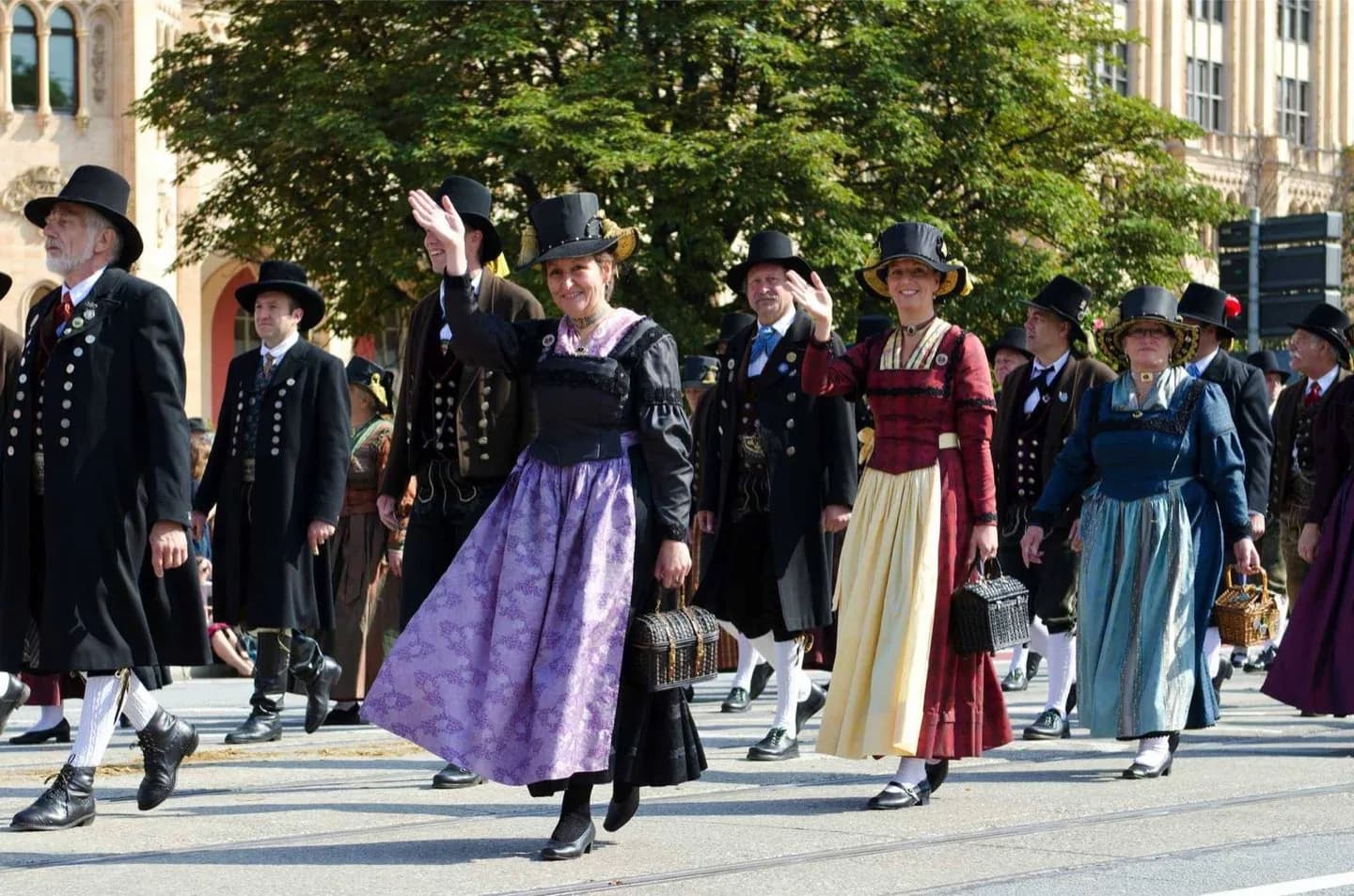
This background changes what you notice in churches, palace rooms, civic squares and modern landmarks. It also helps distinguish living traditions from stage-set stereotypes, making a beer hall, a museum gallery and the Olympic landscape parts of one evolving city rather than disconnected attractions.
The full story
The Wittelsbach dynasty shaped Munich for centuries through the Residenz, court churches, collections and planned avenues. Catholic institutions left another visible network, from the brick mass of Frauenkirche to the theatrical intimacy of Asamkirche and the bright Baroque interior of the Theatine Church. Civic Munich developed alongside the court: markets, guild traditions and the town halls still give Marienplatz and Viktualienmarkt their public character. Beer halls and gardens belong to that social history, but they are working institutions with communal conventions, not merely decorative folklore. Industrialization and scientific ambition produced collections that culminated in the Deutsches Museum, while football and Olympic architecture express modern mass culture. Munich also carries sites linked to National Socialism and resistance, including the Feldherrnhalle's political appropriation and the White Rose history associated with the Justizpalast and university. A useful visit allows these strands to coexist, resisting both a purely royal postcard and a purely festival-driven image of the city.