
Why go
The festival offers a concentrated look at Munich's public beer culture, music and regional dress, but it changes accommodation demand and movement across the city. Understanding tent access, pacing and the scale of Theresienwiese helps visitors decide whether to participate or plan a quieter Munich trip instead.
The full story
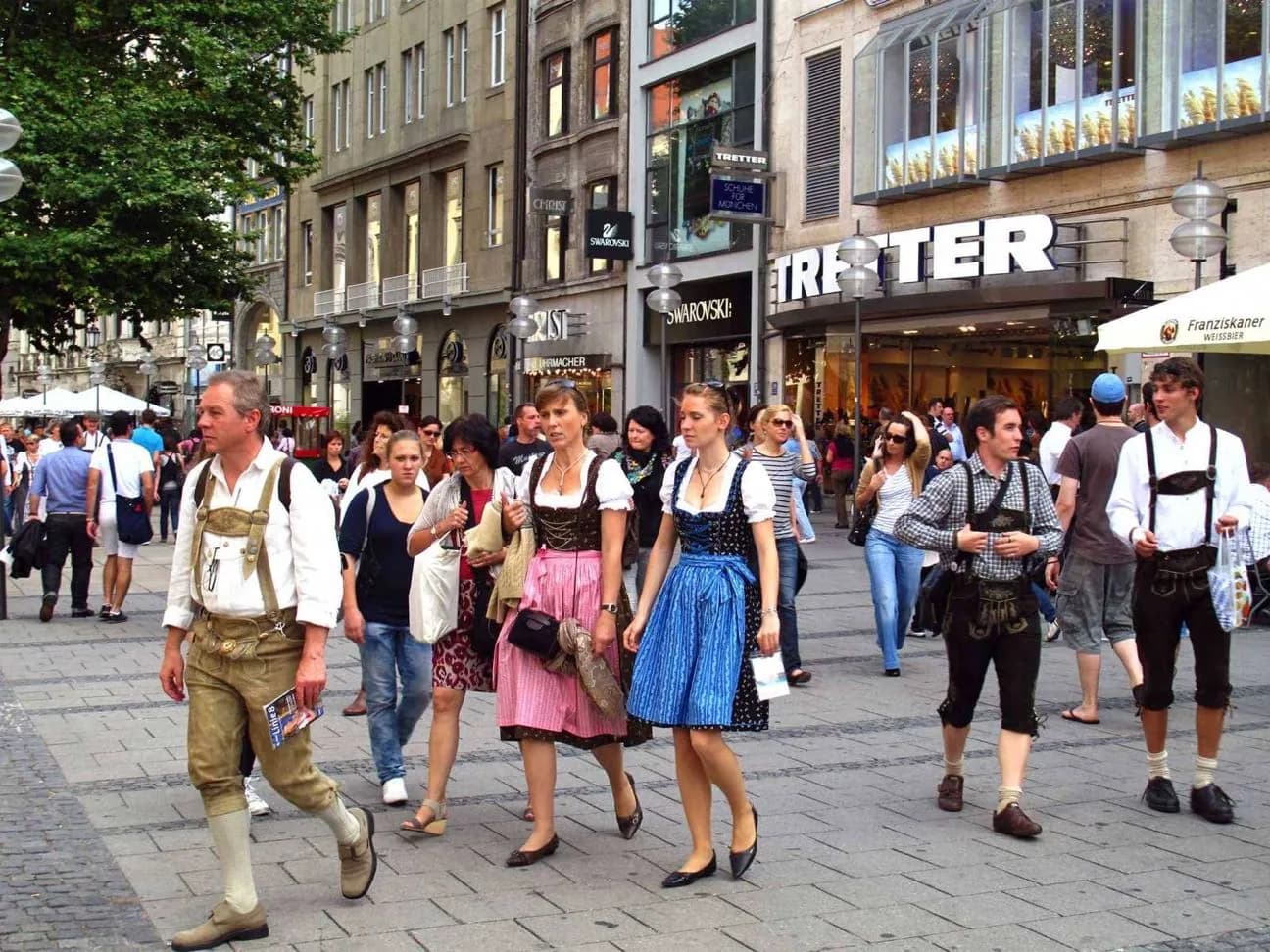
Oktoberfest began with celebrations for the 1810 marriage of Crown Prince Ludwig and Therese of Saxe-Hildburghausen. The festival grounds retain the name Theresienwiese, usually shortened locally to the Wiesn. Today's event combines vast brewery tents with smaller tents, food stalls, rides and ceremonial traditions. Each large tent has its own atmosphere, but all operate at a scale that can surprise first-time visitors. Entry rules, reservations and operating details change, so current official information should guide the visit rather than durable prose. The practical constants are simpler: public transport is preferable, evenings and weekends are the most demanding periods, and alcohol, noise and long walking distances affect stamina. Traditional clothing is common but not required. Visitors uninterested in the festival should still account for its citywide impact, particularly on lodging and transport. Those attending should choose a limited objective—a daytime meal, a particular tent or the rides—rather than attempting to experience the entire grounds at once.
Useful to know
- Check the official festival site for current dates, tent access and prohibited items.
- Use public transport and arrange a clear meeting point before entering crowded tent areas.