
Why go
The story explains how a burial vault near the old Roman tunnel toward Pozzuoli and Baiae became associated with the author of the Aeneid. Later writers kept that association alive. It shows how Naples’s Roman remains can hold a second history in the stories told about them.
The full story
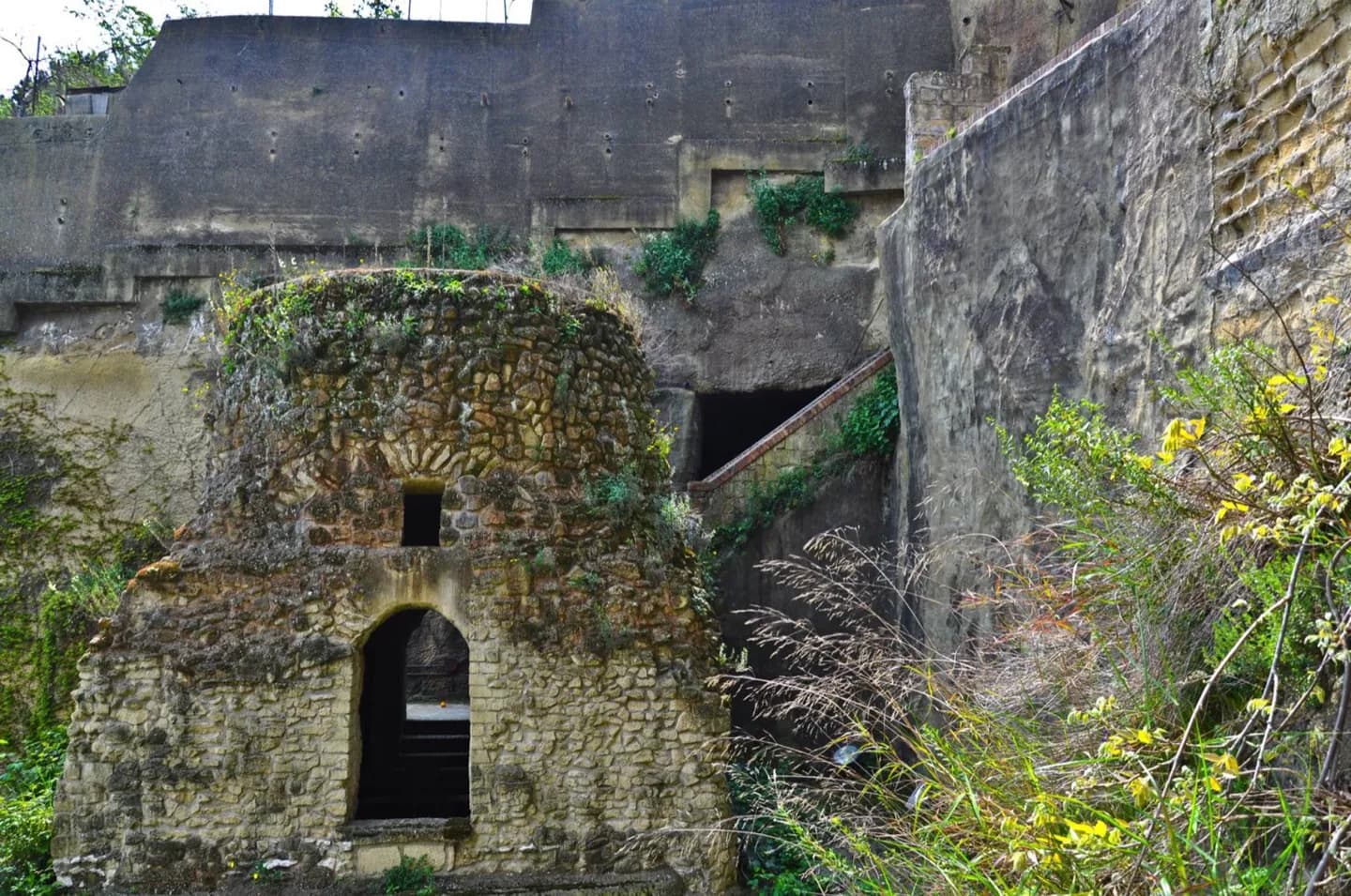
Virgil lived in the Naples area and died at Brindisi in 19 BC. A Roman burial vault at Piedigrotta, near the entrance to an ancient tunnel west of the city, is traditionally identified as his tomb. That identification is a historical tradition, not proof that the vault held his ashes. The tunnel once connected ancient Naples with places including Pozzuoli and Baiae, so the setting also recalls how the Roman city faced west. For centuries, the poet’s reputation gave the vault a meaning beyond its modest form. In the Middle Ages, legends credited Virgil with extraordinary powers, and accounts describe the tomb as a place of pilgrimage. Petrarch and Boccaccio became part of its literary history. A local tale says a bay tree near the entrance died when Dante died and that Petrarch planted another; the tale is a story about later admiration, not evidence about Virgil’s burial. Keeping those layers separate makes the site’s lasting interest clear: Roman fabric, a traditional attribution and the long afterlife of a poet in Naples.