
Why go
Knowing when not to drive saves time and stress. Historic streets predate cars, streetcar tracks shape lane choices, and event closures can change familiar routes. Keep a car for wetlands or regional trips, but switch to walking, transit or a hired ride when the day centers on downtown neighborhoods.
The full story
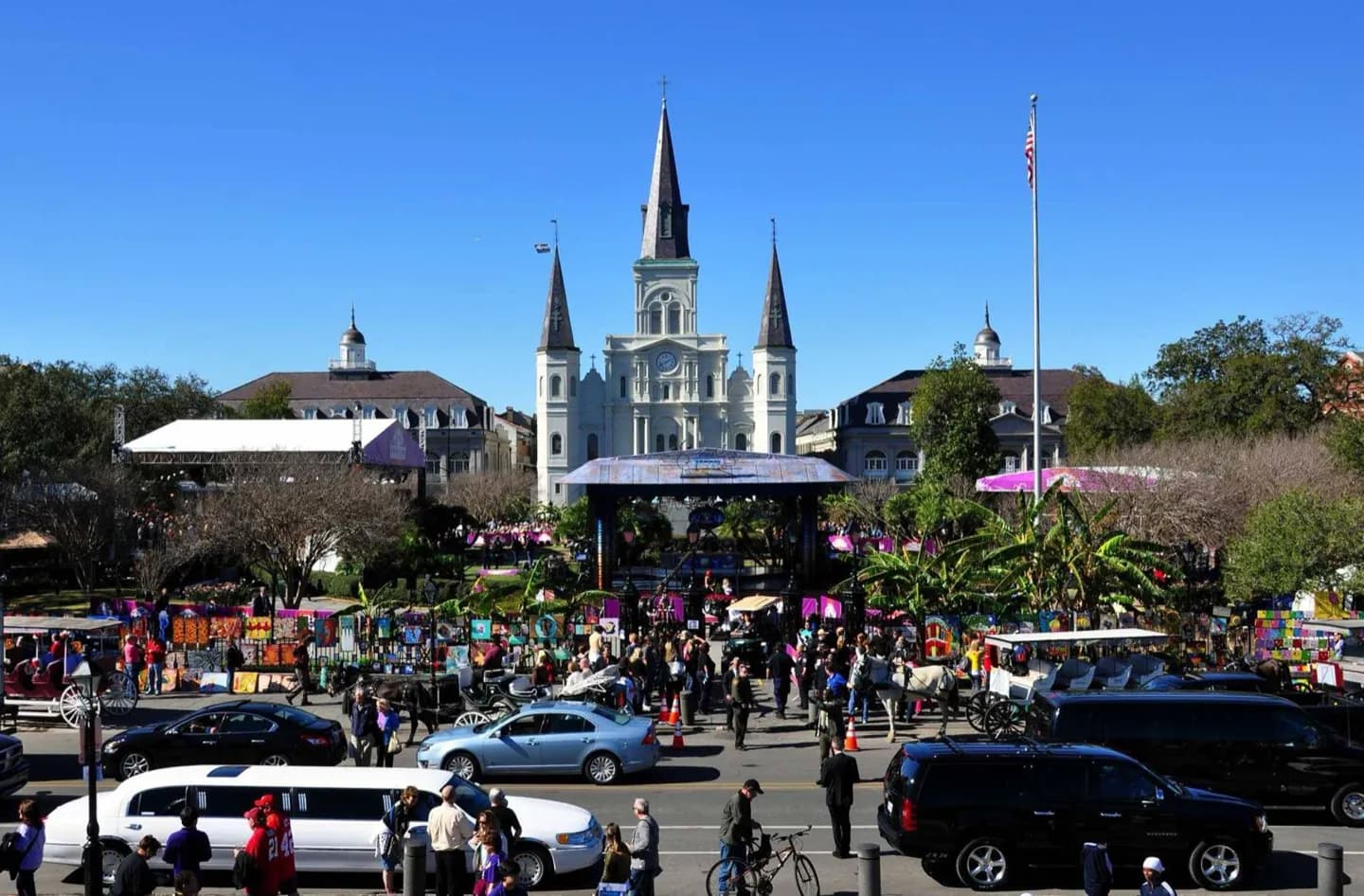
Driving conditions change sharply across the city. The French Quarter has narrow one-way streets, delivery activity, pedestrians and limited parking, while Uptown adds streetcar tracks and intersections where turning rules demand attention. Potholes and uneven pavement can appear on otherwise ordinary routes. Festivals, parades and major events may close streets or redirect traffic with little value in trying to push closer. Parking signs deserve a careful read; curb rules, residential restrictions and tow zones are enforced. A car becomes more useful for Longue Vue, suburban connections or excursions beyond New Orleans, especially when several travelers share the trip. For a central day, park once at a legitimate garage or leave the car at the accommodation. Never leave visible luggage or valuables inside, and allow extra time when a reservation depends on crossing town.