
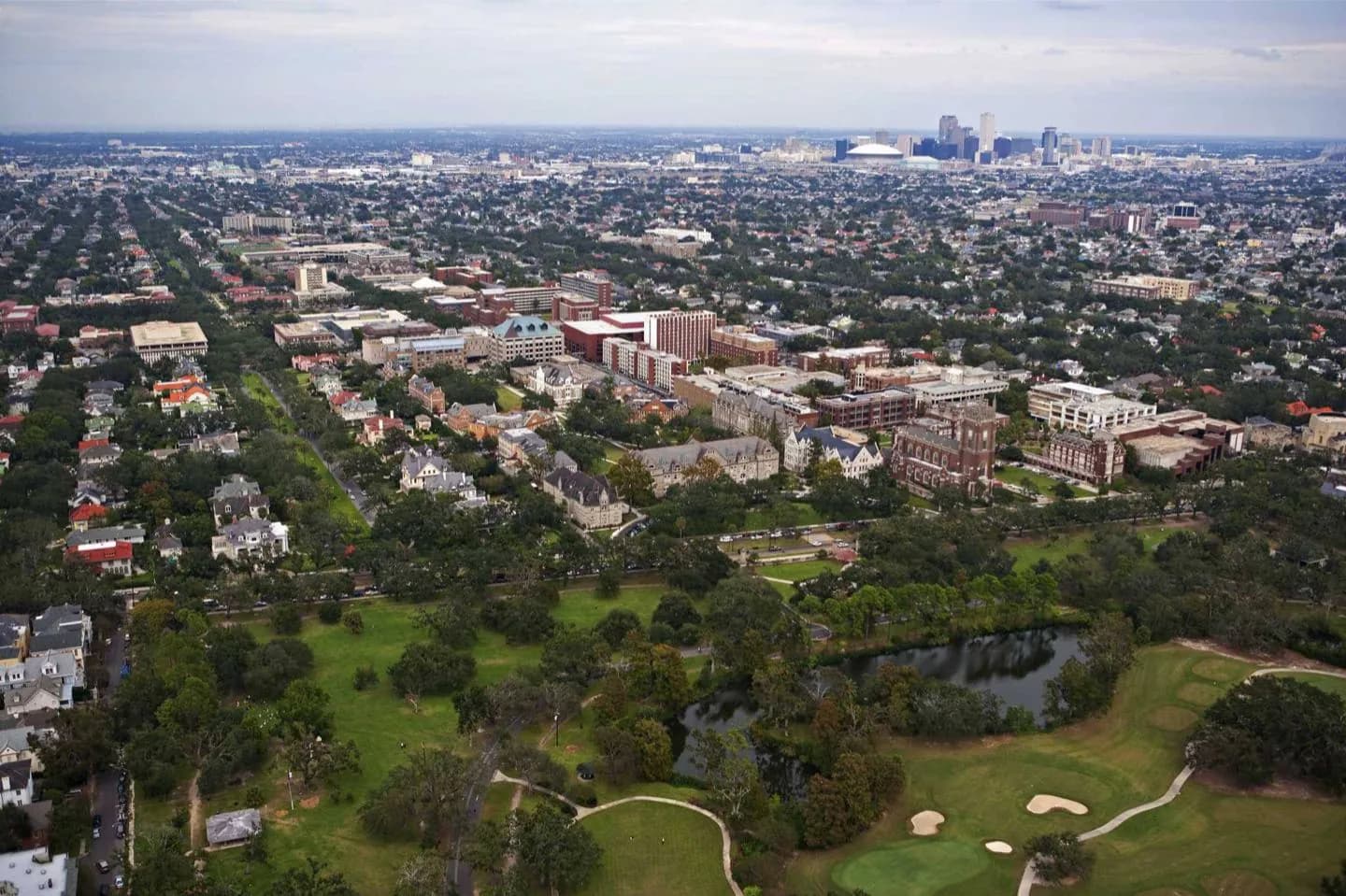
Why go
Understanding the city’s layered origins makes ordinary details more legible. The river bend explains the port, Spanish-era rebuilding shaped much of the French Quarter, and waves of migration transformed neighborhoods, language and food. Use this history as a frame, then test it against buildings, museums and public traditions on the ground.
The full story
French colonists founded New Orleans in 1718 near a useful Mississippi River crossing and portage toward Lake Pontchartrain. The site connected the river, Gulf trade and inland routes, but it also required levees, drainage and constant negotiation with water. Spanish rule followed later in the 18th century, and major fires led to rebuilding that gave much of today’s French Quarter its brick walls, courtyards and ironwork. African and Caribbean people, many brought through slavery, profoundly shaped the city’s language, religion, music and food. After the Louisiana Purchase, English-speaking Americans built upriver districts outside the old Creole city. Those layers did not replace one another cleanly. They remain visible in the contrast between the French Quarter, downtown, the Garden District and Uptown, and in traditions that still move through streets, churches, kitchens and music rooms.