
Why go
Food is one of the clearest ways to read the city’s history. Gumbo changes with its thickener and ingredients, po’boys turn local bread into a working lunch, and beignets frame a coffee ritual. Look beyond a checklist by noticing where dishes come from and how menus distinguish them.
The full story
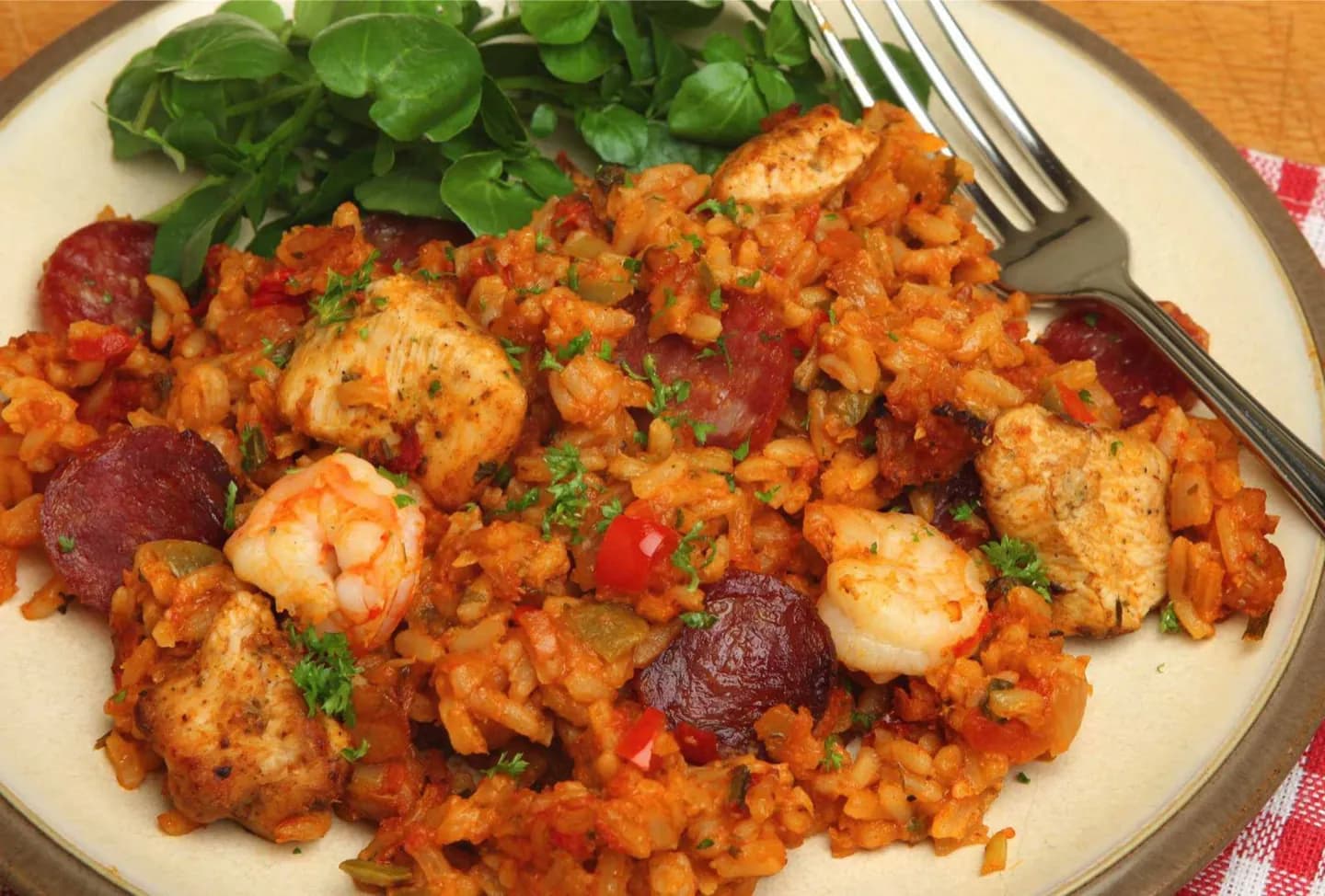
Begin with gumbo, a family of stews whose roux, okra or filé can shape texture and flavor. Seafood versions reflect Gulf access, while chicken and sausage combinations bring a different depth. A po’boy uses airy New Orleans French bread around fried seafood, roast beef or other fillings; the bread’s crisp shell and soft center are part of the form, not an afterthought. Red beans and rice carries a practical Monday tradition, built around slow cooking and leftovers from Sunday meals. Beignets arrive hot under powdered sugar and make more sense with coffee than as a formal dessert. Creole and Cajun are not interchangeable labels: New Orleans Creole cooking grew in an urban, port-connected setting, while Cajun traditions developed from Acadian communities elsewhere in Louisiana. Menus blur boundaries, so use those histories as questions rather than rigid rules.