
Why go
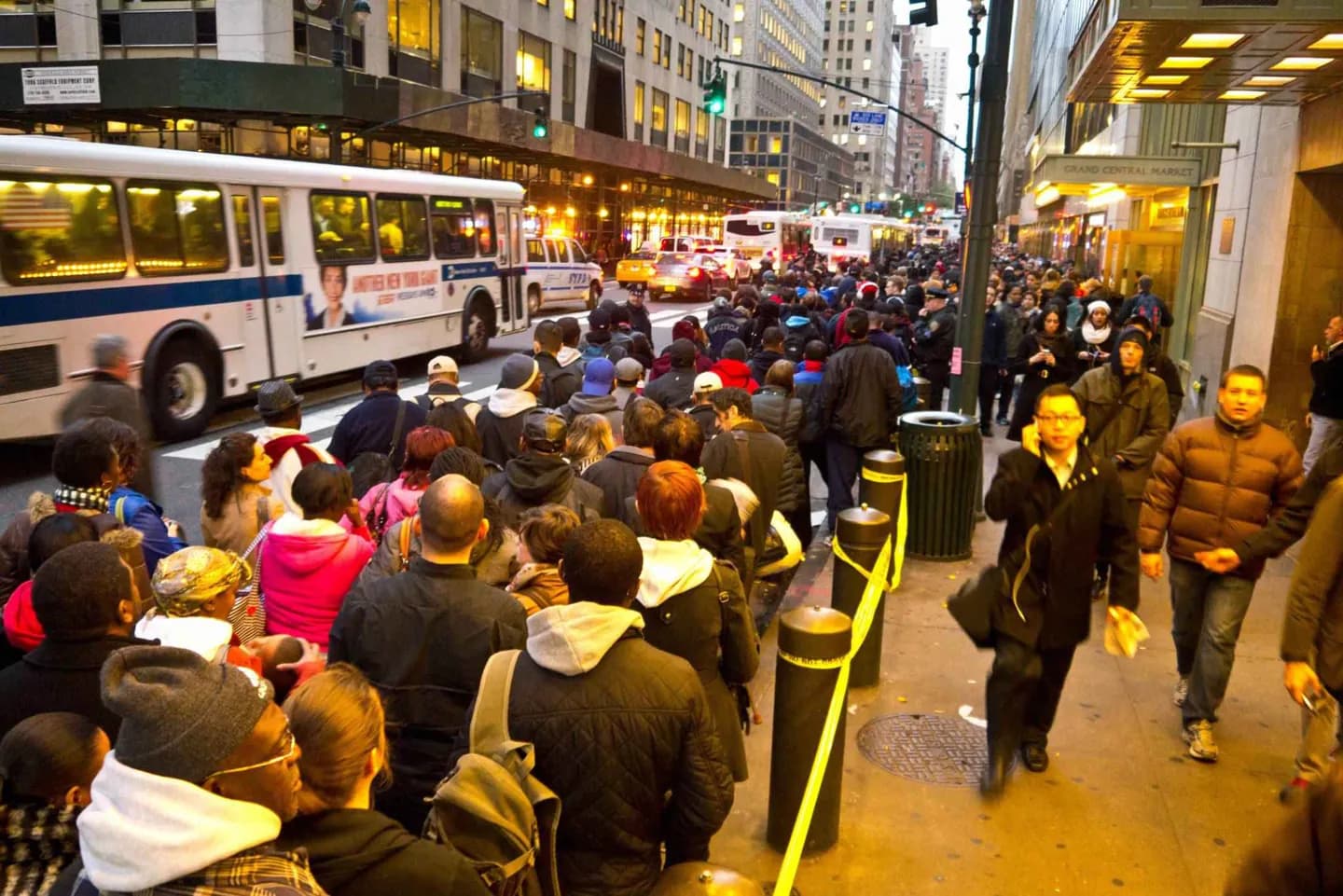
A bus offers a street-level view that the subway cannot, and it can solve journeys where changing trains would be awkward. In Manhattan, routes often follow one avenue or cross the island; outside it, buses connect neighborhoods and reach places beyond rail lines. Route letters identify the borough served, making a map easier to read once the destination is known.
The full story
New York buses complement the subway rather than duplicate it. A crosstown bus can be the simple connection between the Metropolitan Museum of Art and the American Museum of Natural History, for example, while an avenue route lets a visitor stay above ground and see the city unfold. Route labels indicate the borough: M for Manhattan, Bx for the Bronx, B for Brooklyn, Q for Queens, and S for Staten Island. The trade-off is traffic. Buses can be slower at busy times, but they are often the sensible choice for a short direct ride, a route with limited mobility, or a neighborhood where the subway is distant. Read the destination sign as well as the route number, and check the current operator map and payment instructions before boarding.