
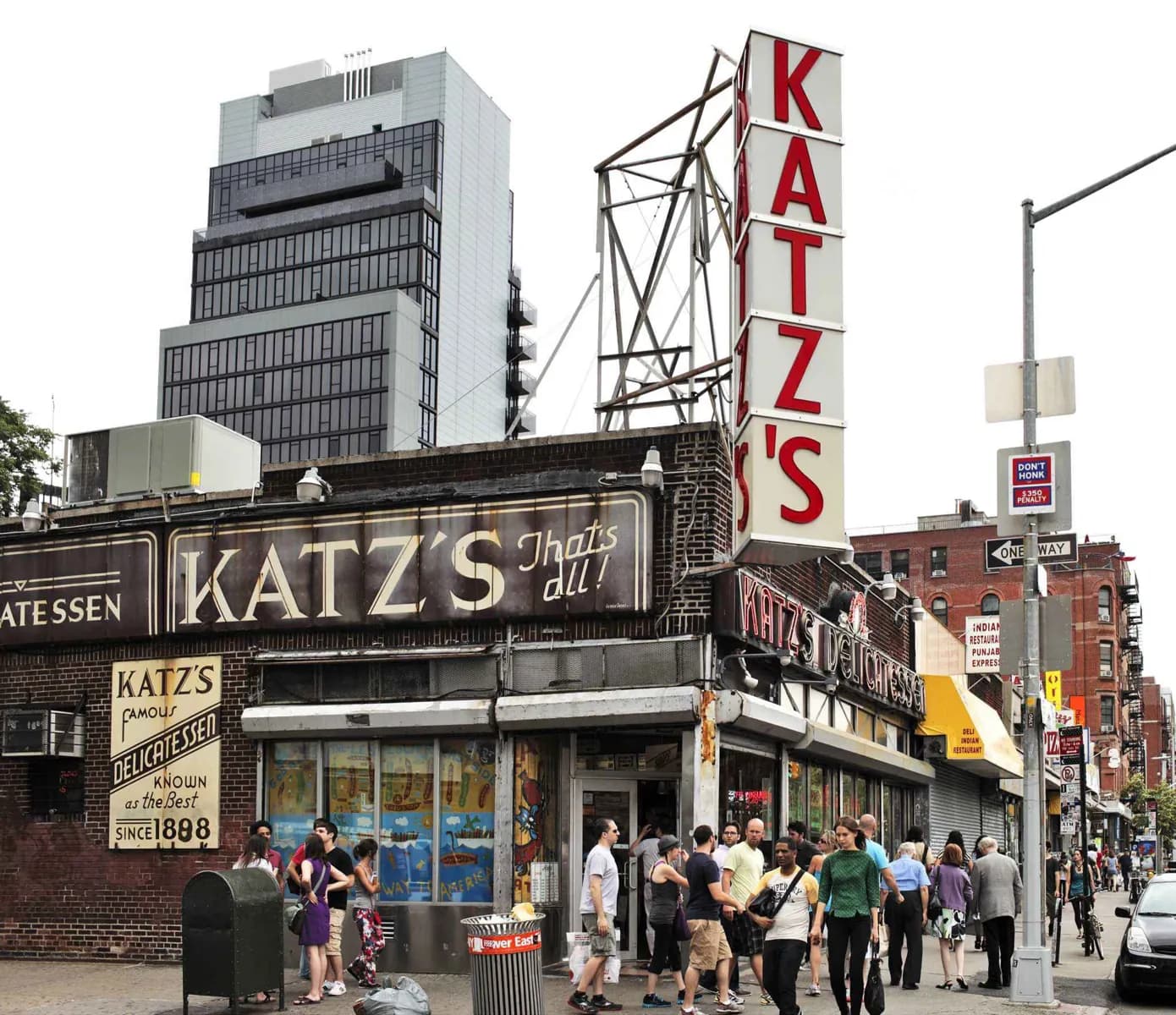
Why go
The sidewalk is where the city's architecture, shops, parks, and crowd rhythms become legible. Manhattan's numbered street grid also makes orientation easier: avenues run north–south and cross streets run east–west. Walking works best when paired with a nearby indoor anchor in hot, rainy, or cold weather, and when the route respects the real distance between boroughs.
The full story
New York is a walking city because stations and stops rarely deliver a visitor directly to the final door. Short walks are often faster than waiting for another train or bus, and longer walks reveal the contrast between avenues, side streets, parks, and commercial blocks. Manhattan's grid makes many routes simple to follow, though east–west blocks are generally longer than north–south blocks. The street remains an active traffic environment. Cross at marked crossings and follow signals rather than copying other pedestrians, especially when a crowd begins moving. One-way streets can help orientation, but cyclists and other traffic may not approach in the direction expected. Set a realistic walking radius, wear suitable shoes, and break a long route with a museum, library, park, or café rather than treating every numbered block as negligible.