
Why go
Cimiez makes the ancient past tangible through the remains of Cemenelum, while the old center and port speak to Nice's later importance on the Ligurian coast. Knowing that the city spent centuries linked to Savoy before joining France changes how you read its position between the French Riviera and Italy.
The full story
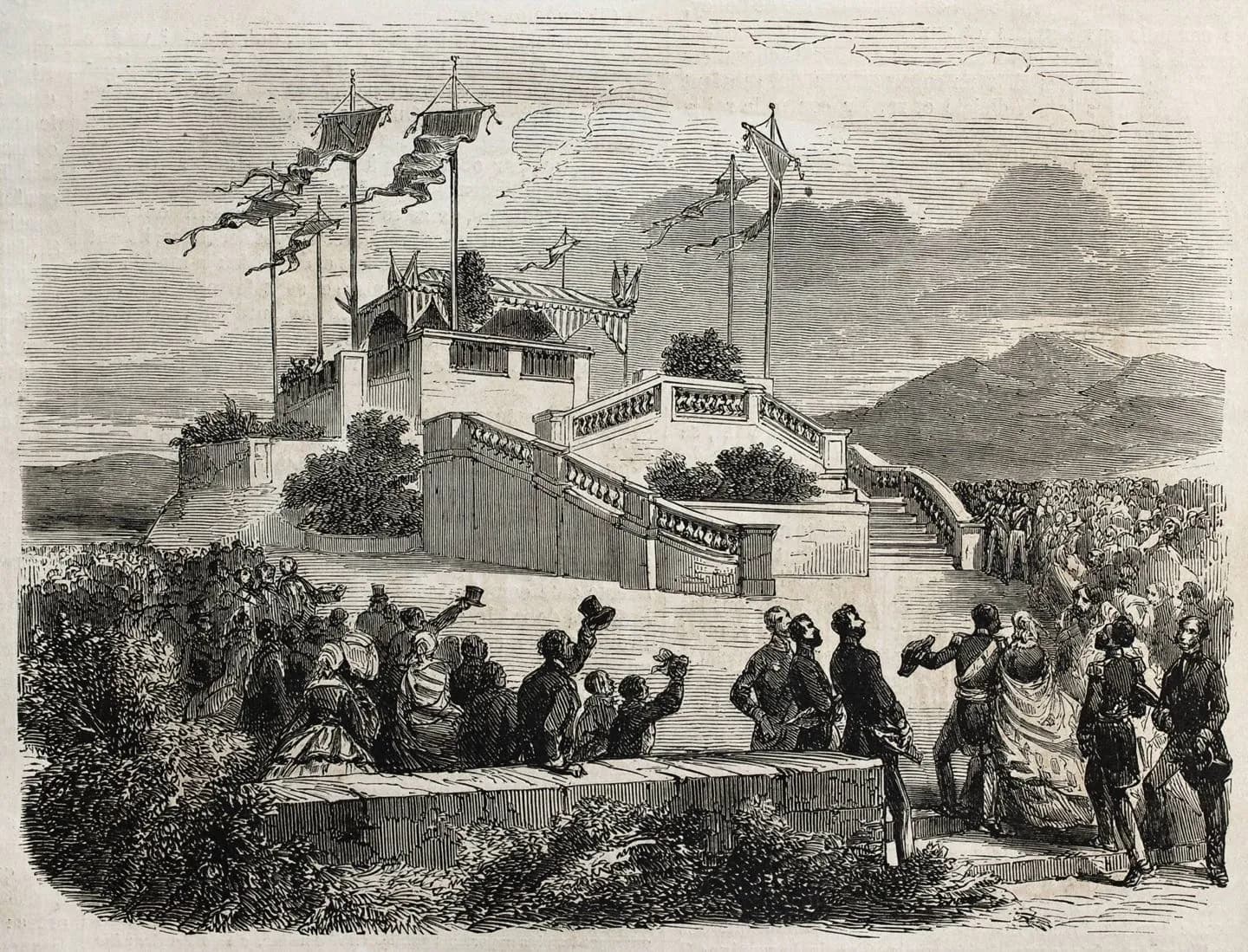
The oldest layer of Nice's story lies well before the resort city. Evidence from Terra Amata points to very early human activity in the area. Greeks from Massilia founded Nikaia on the coast, while the Roman town of Cemenelum stood separately on the hill now called Cimiez. The ruins there show why an uphill visit adds something the seafront cannot. Nice's position near the Italian border and its port made it valuable to competing powers. In the Middle Ages the town was drawn into conflicts involving Ligurian cities, Provence and Savoy. In 1388 it came under the protection of the Counts of Savoy. That connection lasted, through later political changes, until the County of Nice was ceded to France in 1860. The city continued to change after that transfer. Winter visitors helped shape the waterfront resort, while tourism and construction drove much twentieth-century growth. Rather than look for one surviving historic center that tells the whole story, compare the Roman remains at Cimiez, the older streets near the port and the Promenade des Anglais. Each belongs to a different period in Nice's development.