
Why go
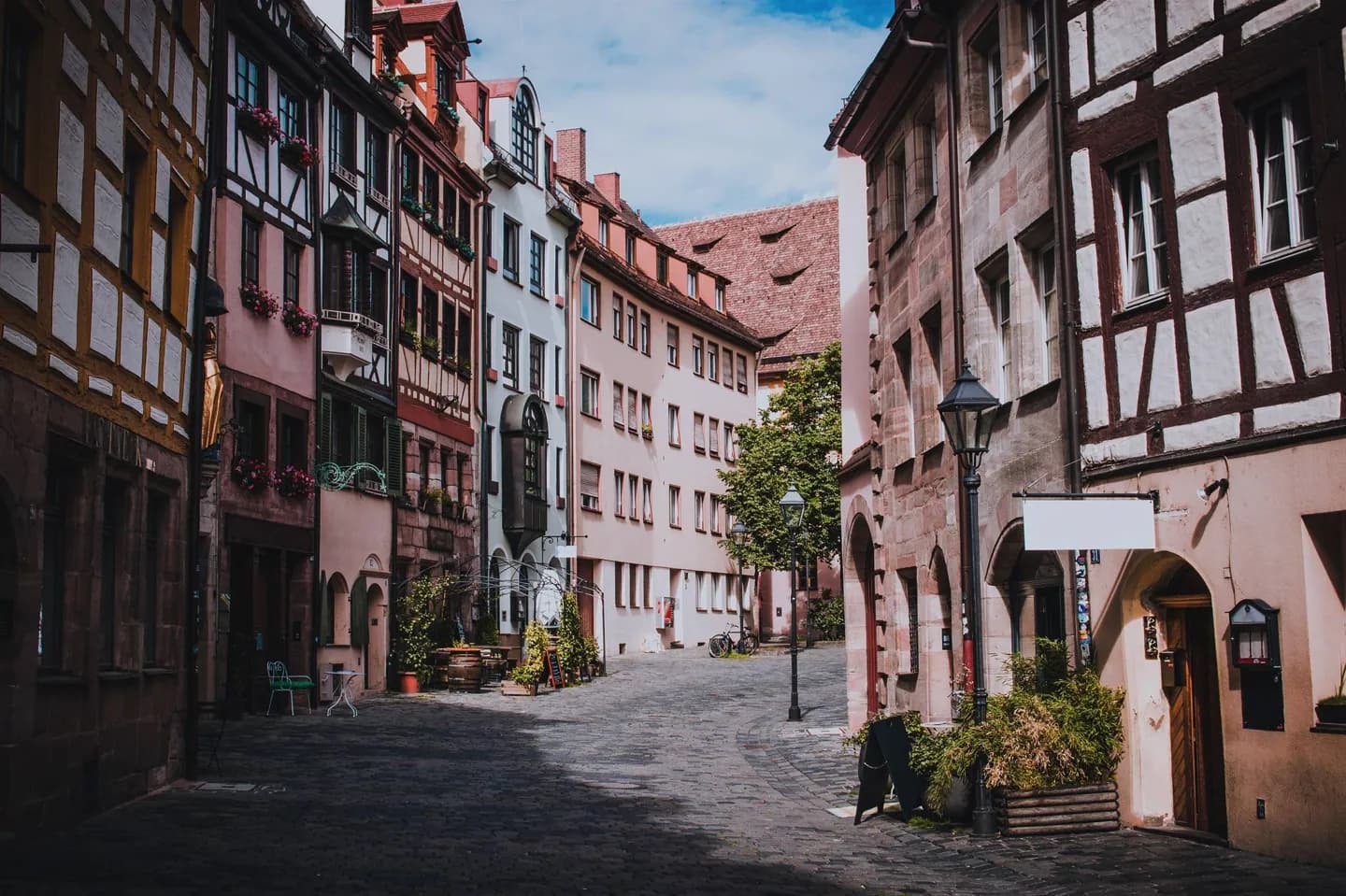
The castle was more than a defensive landmark: imperial gatherings and courts helped make Nuremberg important. Trade brought wealth and craft to the city, while privileges granted in 1219 strengthened its independence. Read the castle and surrounding streets together to understand that rise.
The full story
Nuremberg appears in the written record in 1050. Its castle became an imperial site, and the city grew on routes linking Italy with northern Europe. Rulers held diets and courts here, bringing political business alongside trade. In 1219, Emperor Frederick II granted privileges that strengthened the city's rights, including authority over customs and coinage. This helped Nuremberg develop as a free imperial city with room to govern its own affairs. The city's success was neither simple nor unbroken. In 1298, Jews in Nuremberg were murdered after false accusations of desecrating the host, part of a wave of anti-Jewish violence. That history belongs alongside accounts of medieval prosperity. Later centuries brought new forms of work, from printing and art to industry. For a visitor, the Imperial Castle gives a point of entry into the medieval story, while the old streets show the setting of civic and commercial life below it. The site's imperial role explains Nuremberg's standing; its trade routes explain why that standing produced a thriving city.