
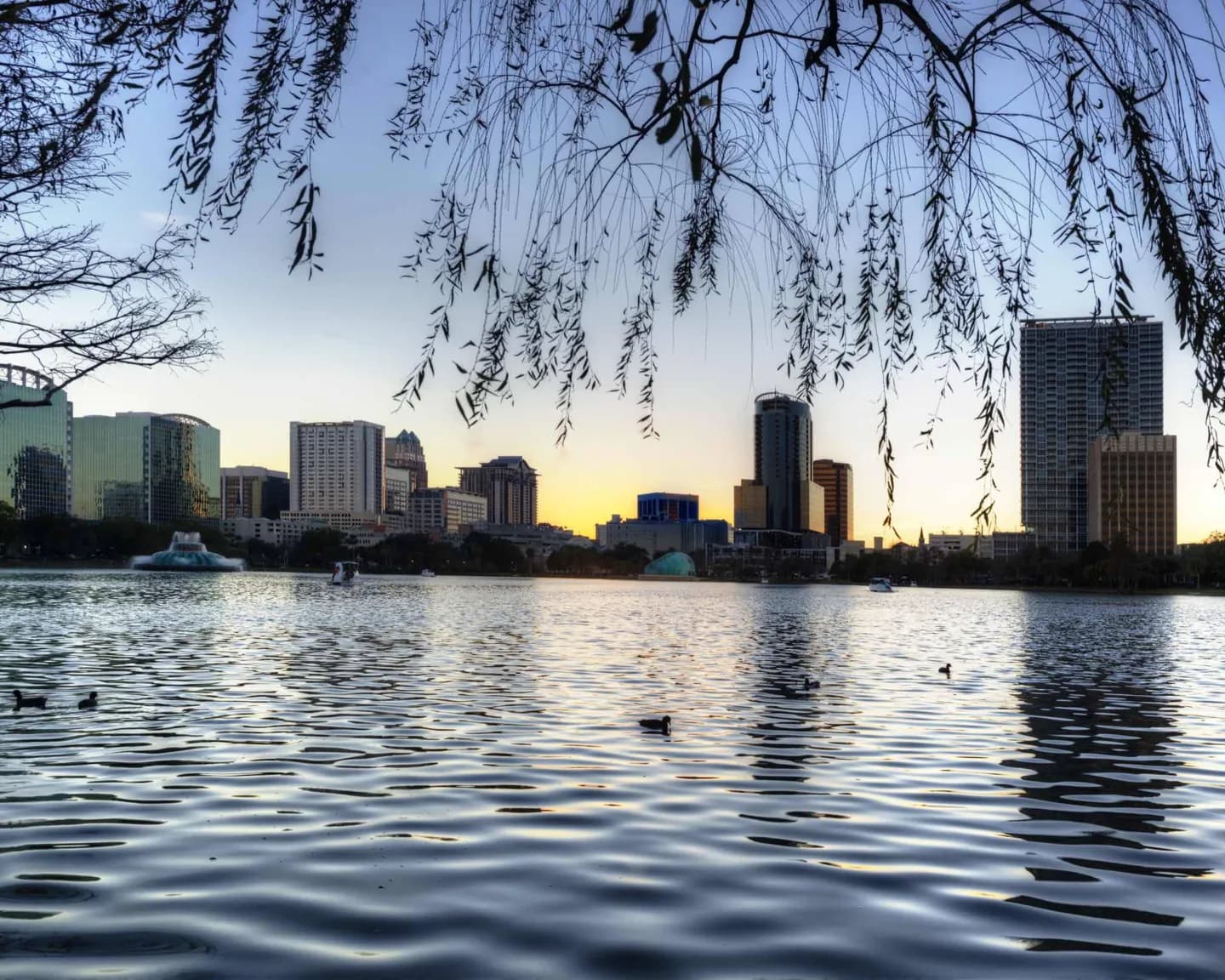
Why go
Season matters most when your plans involve long walks or water attractions. In the hotter months, build in indoor breaks and give storms room to pass; in the drier months, outdoor walking is generally more comfortable. Afternoon thunder is a practical reason to leave the schedule flexible.
The full story
Orlando’s climate reflects its low elevation and position in the middle of the Florida peninsula. The older climate account describes a hot, rainy period from roughly May through September and a drier, cooler stretch from late October into April. Summer afternoons can bring strong thunderstorms, heavy rain and lightning. The same humidity that makes the air feel heavy can make walking between outdoor attractions more tiring than the temperature alone suggests. The drier season brings less frequent rain and more moderate temperatures, although conditions still vary. This pattern should shape the order of an outdoor day: treat exposed walks as the part to plan around, and keep a flexible indoor option for a storm. Check a current forecast before setting out, since a seasonal pattern does not tell you what will happen on a particular day.
Useful to know
- In the hot, rainy season, leave room for afternoon storms and indoor breaks.
- Carry water and sun protection for long outdoor days, especially at the theme parks.