
Why go
The Meiji transformation and postwar reconstruction changed the country’s institutions and urban landscapes. Hiroshima’s memorials address one devastating part of that history, while city museums and architecture reveal wider changes in daily life. Give difficult historical material time and attention rather than fitting it between rushed photo stops.
The full story
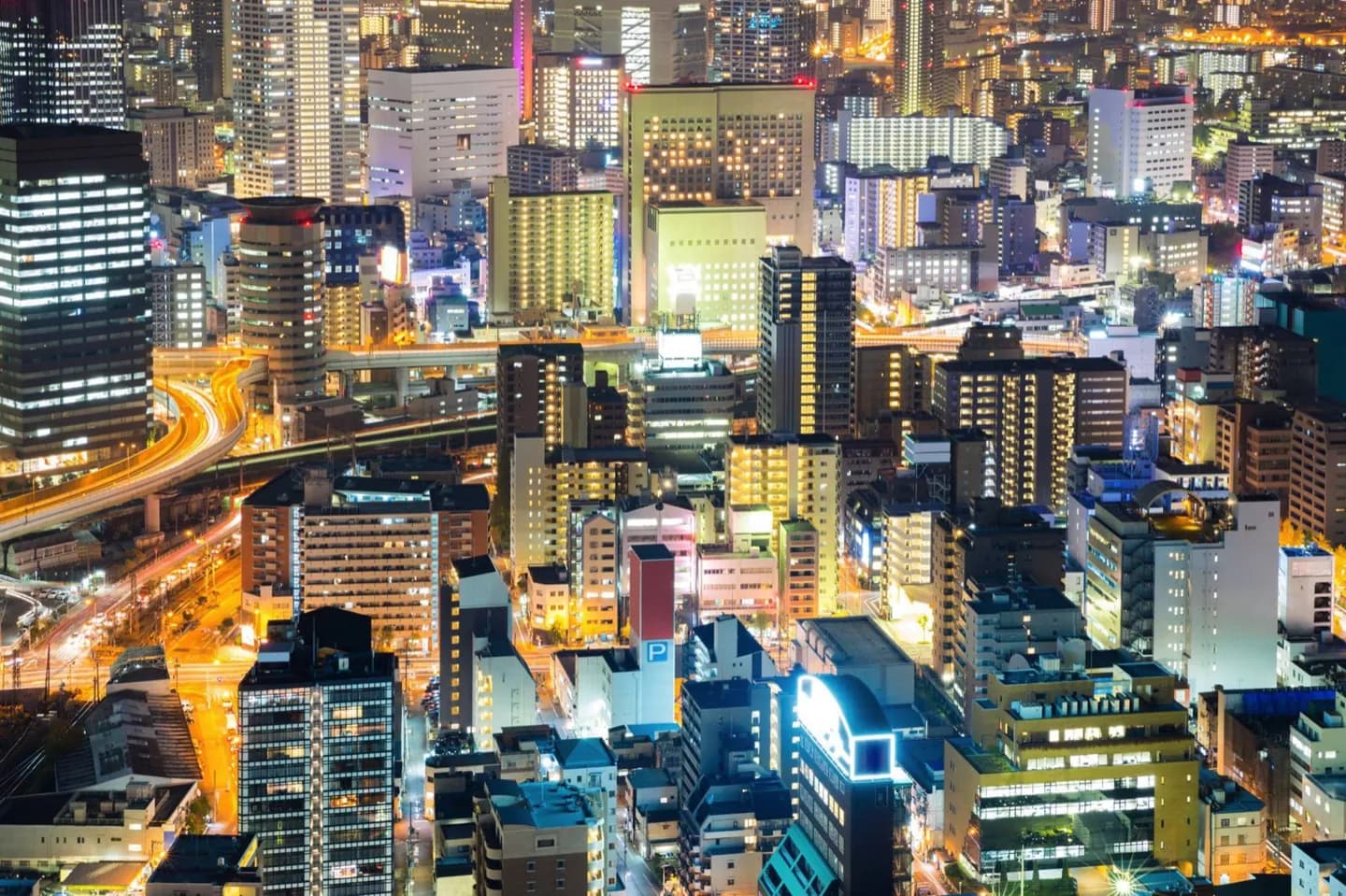
Pressure from Western powers helped end the Tokugawa system’s restrictions on overseas contact in the nineteenth century. The Meiji Restoration of 1868 brought a centralized government and changes to political, legal and military institutions. Industrialization accelerated, while Japan pursued an empire through war and the control of neighboring territories. Expansion in China and the Pacific caused immense suffering. The war ended in 1945 after widespread destruction, the atomic bombings of Hiroshima and Nagasaki, and Japan’s surrender. The subsequent occupation and the constitution adopted in 1947 established a different political framework. Reconstruction then transformed cities, infrastructure and manufacturing. The decades that followed included rapid economic growth, a major asset bubble and its collapse, and continuing changes to urban life. Historic streets, reconstructed buildings and modern towers often stand close together because cities have repeatedly changed. A museum visit provides the context that an exterior alone cannot convey. At memorial sites, allow room for reflection and avoid treating human testimony simply as another attraction to complete.