
Why go
Japanese drinks are more varied than a single sake stereotype. Matcha has a ceremonial role, sake is brewed from rice, shōchū is distilled from several base ingredients, and regional beer and whisky add other routes into local food culture and different drinking settings.
The full story
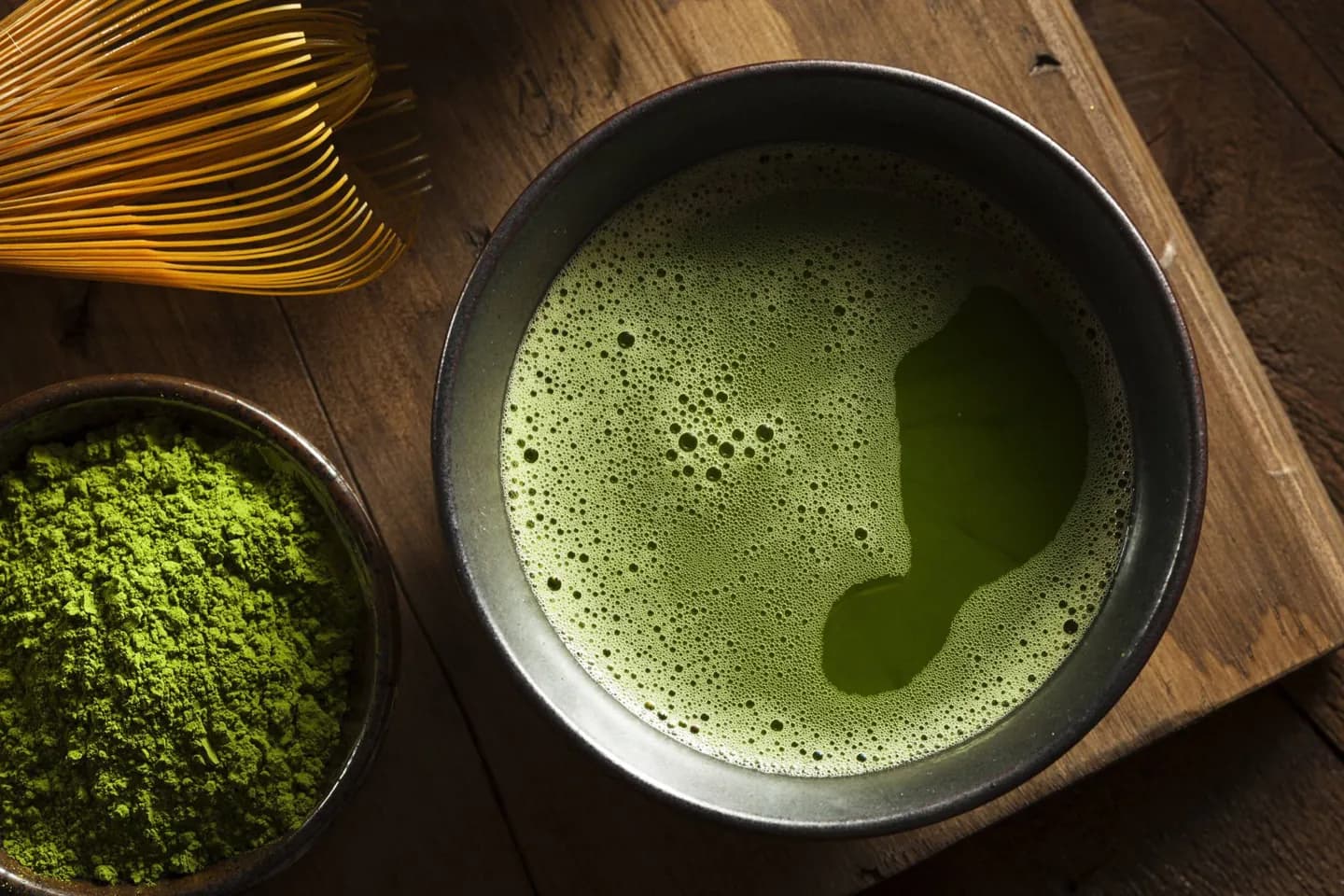
Green tea appears in several forms in Japan, including matcha, the powdered tea associated with the tea ceremony. Sake is often called rice wine, but its production is closer to brewing: rice, water, kōji and yeast are fermented through a labor-intensive process. Its regional character depends on ingredients and the choices of individual breweries. Shōchū is a distilled spirit made from ingredients such as barley, sweet potato, buckwheat or rice. Its production began in Kyūshū, though it is now made around the country. Beer is commonly a pale lager, while small breweries have developed local styles. Japanese whisky is often served in a highball. An izakaya is a useful setting for food and drinks together, while a tea context calls for a different pace. For group drinking, allow companions to pour rather than repeatedly filling your own glass, and check any cover charge before settling in.
Useful to know
- At an izakaya, ask about a cover charge before ordering.
- For group drinks, allow companions to pour rather than filling your own glass.