
Why go
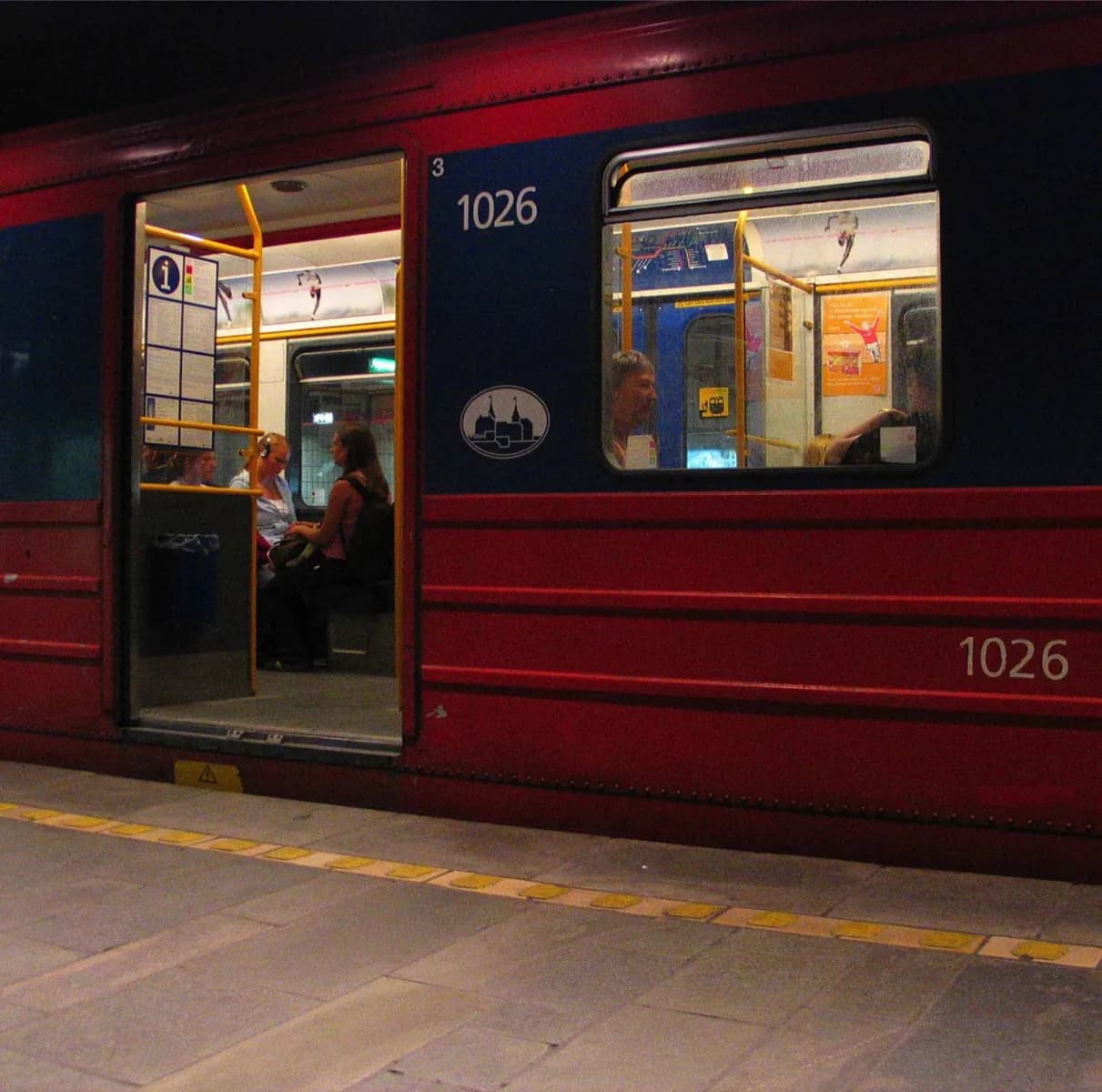
The metro is most useful when hills or distance make walking inefficient. Central lines share a core tunnel, then branch toward distinct parts of the city, so the destination and line direction matter more than the platform's nearest landmark. Using Oslo's Metro clarifies which connection serves Using Oslo's Metro, which detail defines Using Oslo's Metro, and which transport choice keeps Using Oslo's Metro coherent in a full day.
The full story
Oslo's metro is called the T-bane. Its lines pass through a shared central corridor before spreading north, east and west, connecting downtown with residential districts, Holmenkollen and gateways to the surrounding forest. That pattern makes central transfers straightforward but creates several similarly named directions. Ruter coordinates the metro with trams, buses, local trains and many ferries through the same zone-based ticket system. A central Oslo journey normally remains within zone 1, while the airport lies outside that zone. Buy or activate the correct ticket before boarding and use the current Ruter journey planner for line changes, engineering work and replacement buses. Elevators and step-free routes vary by station and entrance, so travelers with mobility needs should inspect the specific stop rather than assuming every access point is equivalent.
Useful to know
- Use the Ruter planner for the correct branch and any replacement service.
- Check the exact entrance and lift status when step-free access matters.