
Why go
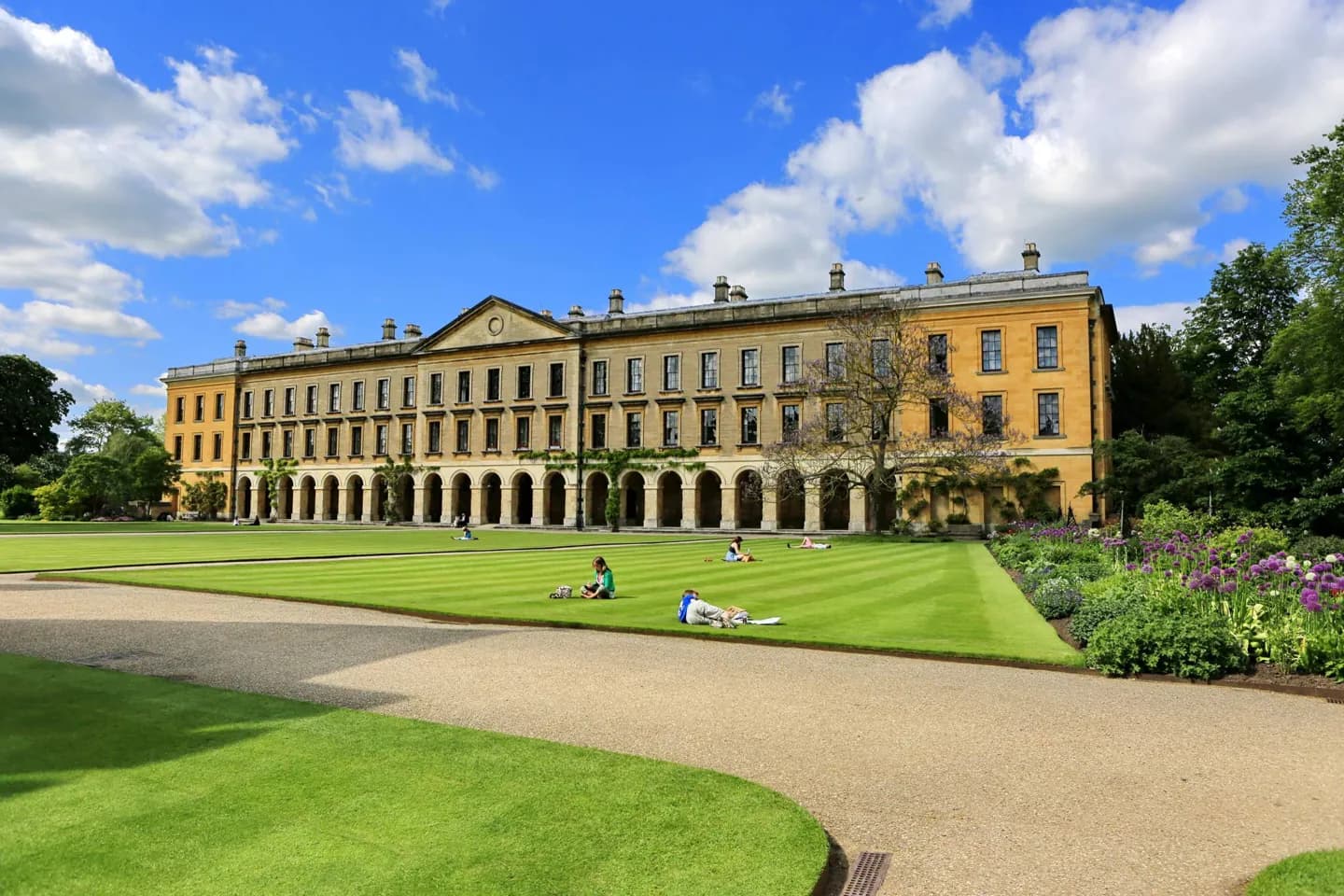
This orientation makes a university visit easier to plan: the Radcliffe Camera is a landmark to view, the Bodleian has its own visitor experience, and individual colleges decide access separately. The Sheldonian, University Church and museums add further reasons to move between nearby sites.
The full story
The University of Oxford grew within an existing city, leaving its colleges, departments and shared buildings spread across the centre and beyond. Radcliffe Square gathers several highly visible academic landmarks, including the Radcliffe Camera and Bodleian buildings. The Sheldonian Theatre on Broad Street has a ceremonial role, while the University Church of St Mary the Virgin served university functions before the theatre was built. Christ Church Cathedral is unusual in serving both a college and a diocese. These buildings are close together, but they are not interchangeable visitor attractions: some are best appreciated from outside and others have specific tours or entry arrangements. The Science Area to the north has a more campus-like concentration of departments. University Parks provides open ground nearby, while the Botanic Garden offers a separate plant collection by the High Street. Christ Church Meadow offers another green edge to the centre. Moving between these places shows how study, ceremony, worship and recreation occupy different sites. It also prevents a common planning mistake: treating “the university” as a single building with one opening time.