
Why go
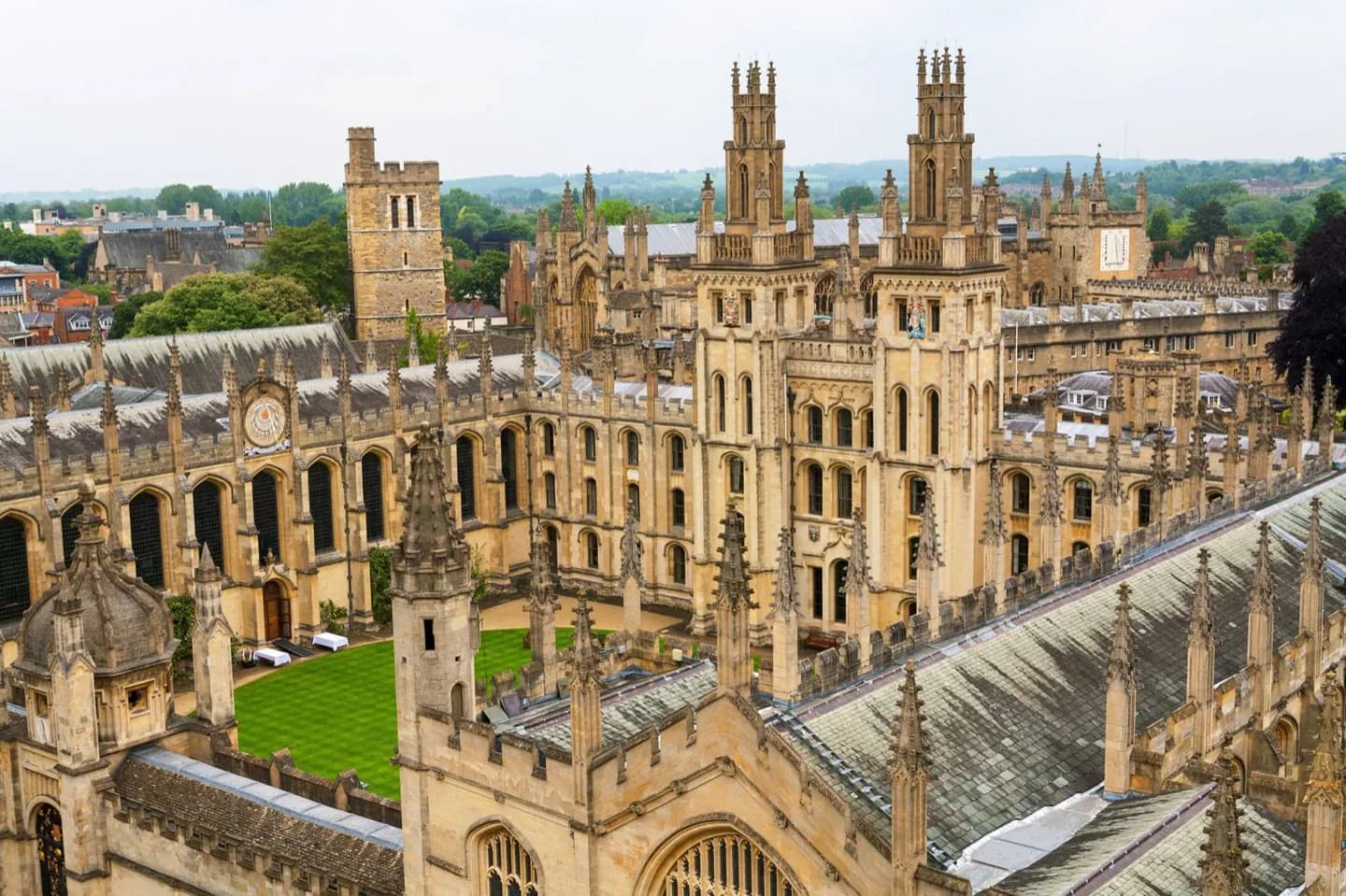
The familiar college streets hide substantial changes in teaching, examinations and access. The Examination Schools and the university’s science buildings are useful reminders that Oxford expanded beyond its older classical and clerical traditions. They point to changes in academic work as well as architecture.
The full story
Oxford’s university changed deeply during the nineteenth century. Separate honours schools made room for subjects beyond the older classical curriculum, including mathematics, natural sciences, law and modern history. Reform also shifted examinations and gradually reduced restrictions tied to religious affiliation. The Oxford Movement kept theological questions prominent even as teaching and research widened. These developments help explain why a visitor encounters both historic college chapels and buildings devoted to newer disciplines. The twentieth century brought further change. Classical language requirements for entry ended over time, and research degrees became an established part of university study. The First World War drew students and fellows into military service; university rooms were used as hospitals and training spaces. Later, scholars displaced from continental Europe by Nazism and communism joined Oxford’s academic community. The institution therefore did not simply preserve an old course of study inside old walls. Its teaching, membership and use of buildings continued to change. Walking between the Examination Schools, colleges and science area reveals some of that widening, even where the most visible architecture belongs to earlier centuries.