
Why go
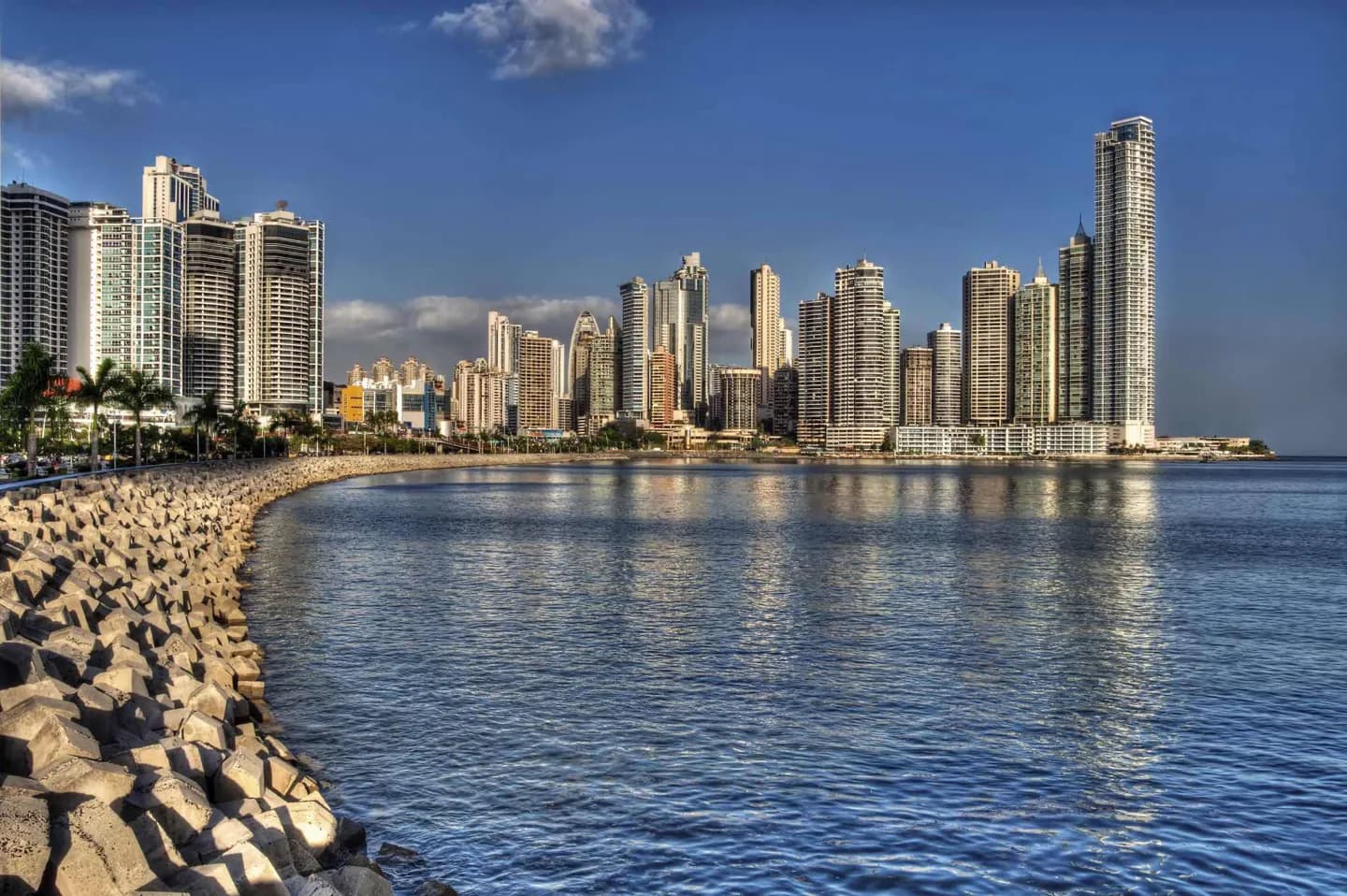
The contrast is more revealing than a skyline count. In Casco Viejo, colonial, French and Antillean influences sit near one another; across the modern city, towers define the Pacific edge. Ancón and Balboa add a different residential and canal-era setting.
The full story
Casco Viejo shows how Panama City accumulated styles rather than preserving one uniform colonial image. Spanish colonial buildings share the old quarter with French and Antillean townhouses associated with later periods, including the canal era. Walking its streets reveals changes in frontage, scale and decoration within a compact historic district. Farther along the Pacific side, clusters of towers form the modern skyline. Their height makes the old quarter's lower streets feel even more distinct. The most useful comparison is not which building is tallest, since rankings and construction lists date quickly, but how the city meets the water in each district. The old peninsula was chosen for defense after the destruction of Panamá Viejo; the modern waterfront presents a very different urban edge. The former Canal Zone contributes a third layer. Around Ancón and Balboa, the built setting reflects a different phase of the city's growth. Moving between these areas gives a clearer picture of Panama City than any single panoramic viewpoint.