
Why go
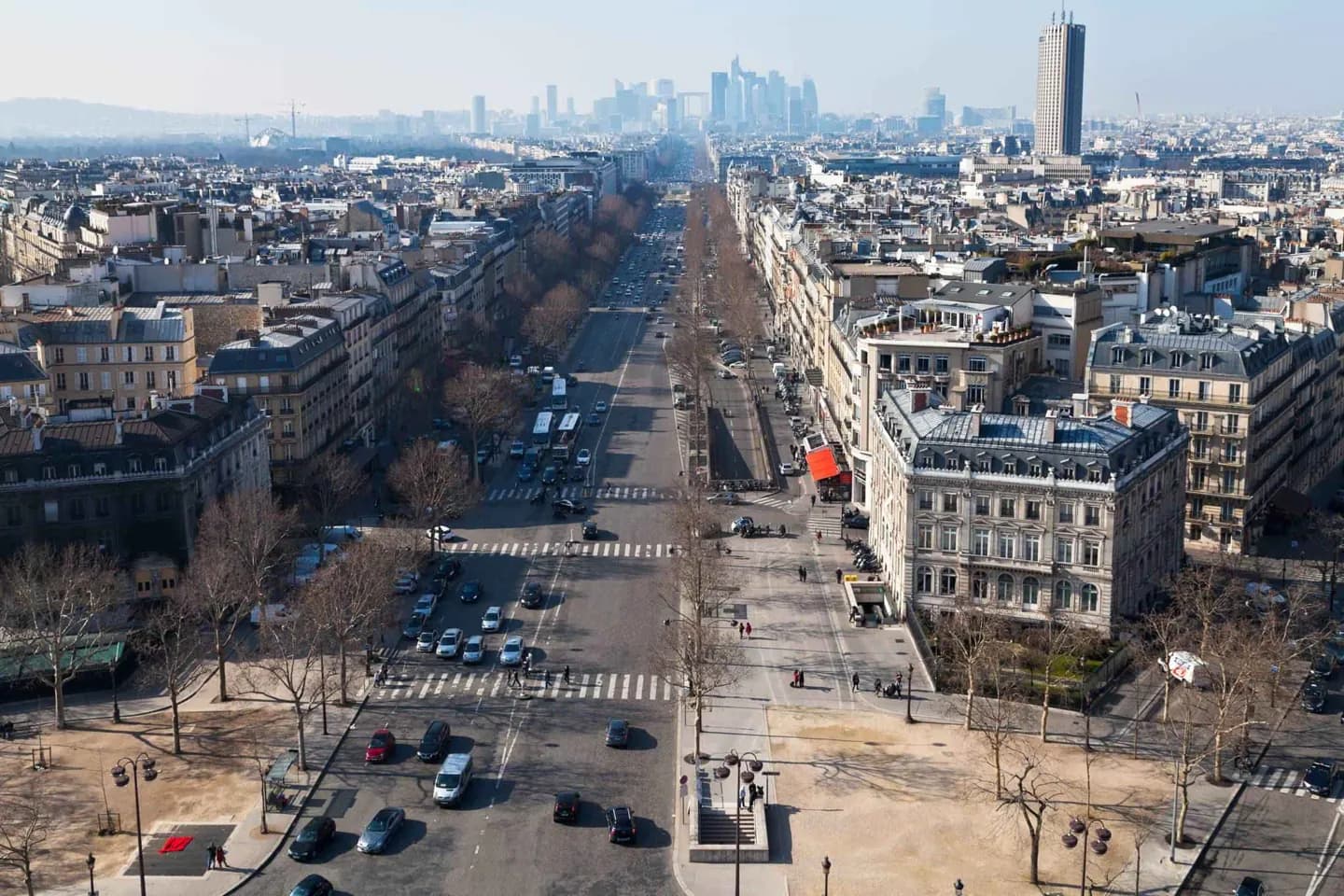
Paris was largely laid out before cars, and its dense street pattern makes central driving slow and disorienting. The Périphérique circles the city, while outer roads offer ways to approach without treating the central arrondissements as a simple driving destination.
The full story
Paris can feel straightforward on a road map and demanding from the driver's seat. Much of its street network predates the motor car, so narrow streets, complex junctions, and heavy traffic make it hard to stop, reorient, or find a convenient place to park. The Périphérique, the multi-lane ring road around the city, is the main organising feature for drivers approaching Paris. Beyond it, outer orbital roads help distribute traffic around the wider region. That geography suggests a useful division of roles: use the car to reach Paris or to continue beyond it, then decide carefully whether it improves the stay inside the city. For many visitors, a suburban parking base with a rail connection reduces the pressure of central driving. If you do drive into Paris, navigation is essential, but it cannot replace a plan for where the vehicle will be kept once you arrive.
Useful to know
- Decide before arrival whether the car is needed inside Paris or only for the approach and departure.
- If leaving the car outside the centre, check parking terms and the onward rail connection before travel.
- Use current official information for driving restrictions, parking rules, and traffic conditions.