
Why go
A bicycle gives more range than walking while keeping the city visible, particularly along the Seine and on quieter central streets. Paris has developed cycling infrastructure, yet large junctions and traffic-heavy avenues can feel demanding. Choose it for a flexible daytime exploration if you are comfortable sharing urban space with other road users.
The full story
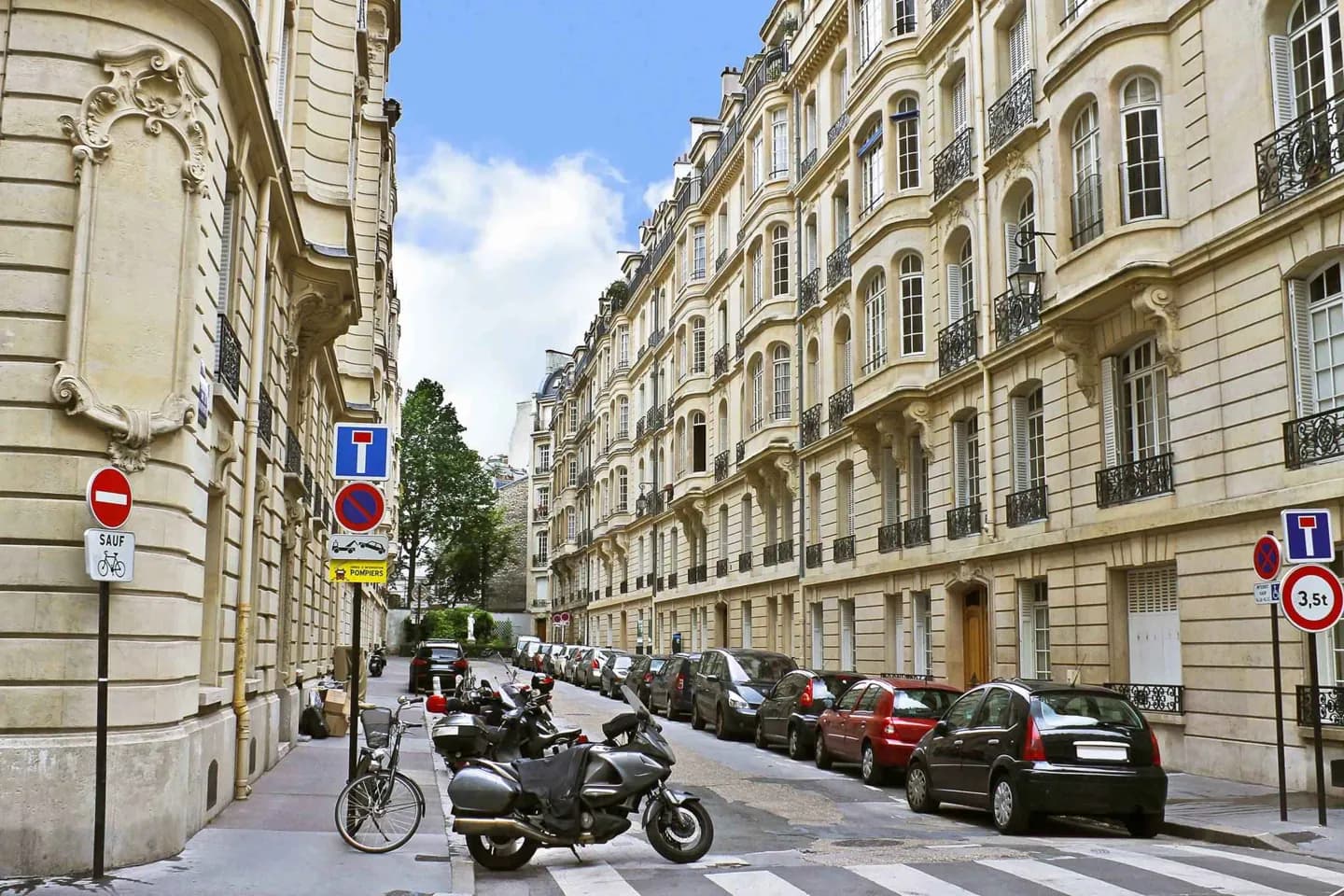
Cycling changes the scale of a Paris day. It can carry you between neighbourhoods faster than walking while preserving the small discoveries that disappear underground: a bridge, a café street, a market frontage or the change from a broad boulevard to medieval lanes. The riverbanks and central side streets are particularly rewarding places to ride. Paris has expanded routes for cyclists, including separated or shared lanes, but the street pattern remains complex and many smaller streets are one-way. Large squares and fast, traffic-heavy avenues require a different level of confidence from a quiet residential lane. That makes route choice the real decision. A shared bike can work well for short, point-to-point legs, while a hired scooter or motorbike brings greater traffic and parking responsibilities. For most visitors, the useful approach is to cycle where the route itself is pleasant and use walking or public transport when the next connection is stressful.
Useful to know
- Use a current cycling map or navigation tool to choose calmer, connected routes rather than following the most direct car route.
- Prefer riverside paths and quieter side streets when building confidence; leave large junctions and heavy traffic to experienced riders.
- Check the provider’s current rules, availability and return conditions before relying on a shared bike or scooter.