
Why go
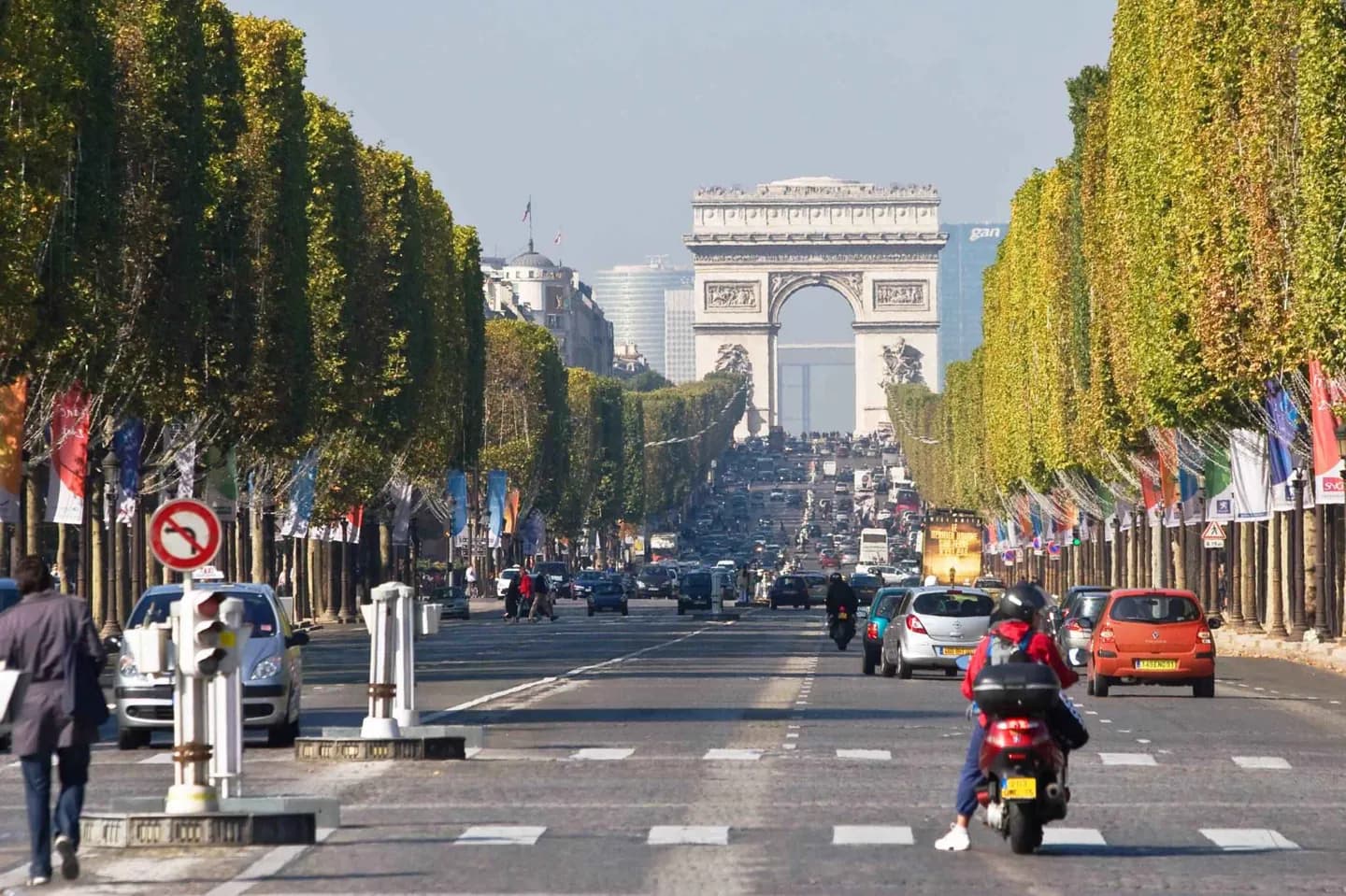
Paris’s dense street network developed long before private cars, so a vehicle often adds friction inside the central arrondissements. It can still make sense for day trips beyond the city or a wider French journey. The Périphérique offers the main ring-road approach, while the Boulevard des Maréchaux traces a nearer outer belt of city avenues.
The full story
Paris makes more sense as a walking and public-transport city than as a driving destination. Its centre combines old streets, busy boulevards, frequent crossings and dense pedestrian activity, which can turn a short distance into a slow and demanding drive. The Périphérique is the main ring road around the city and helps drivers approach from the wider region. Closer in, the Boulevard des Maréchaux is a belt of major avenues named for Napoleonic-era marshals, including Boulevard Ney and Boulevard Masséna. These names can help orient a map, but they do not make the centre easy to drive through. The useful dividing line is between arriving in Paris and moving around it. A car can be practical for destinations beyond the city, such as Fontainebleau or Vaux-le-Vicomte, or for continuing through France. Inside Paris, it needs a clear purpose and a plan for parking. Current restrictions and road conditions change, so verify them directly before travel.
Useful to know
- Decide before arrival whether the car is for the wider region only or will genuinely help on a specific day outside central Paris.
- Plan where the vehicle will be kept before entering the city, rather than looking for parking between sights.
- Check official information for current traffic rules, access restrictions and parking conditions before driving.