
Why go
The city offers traditional bistros alongside cooking shaped by immigrant communities and international influences. A short walk away from the main tourist corridors can change both the menu and the atmosphere, while a small dining room is often part of the Paris experience rather than a flaw.
The full story
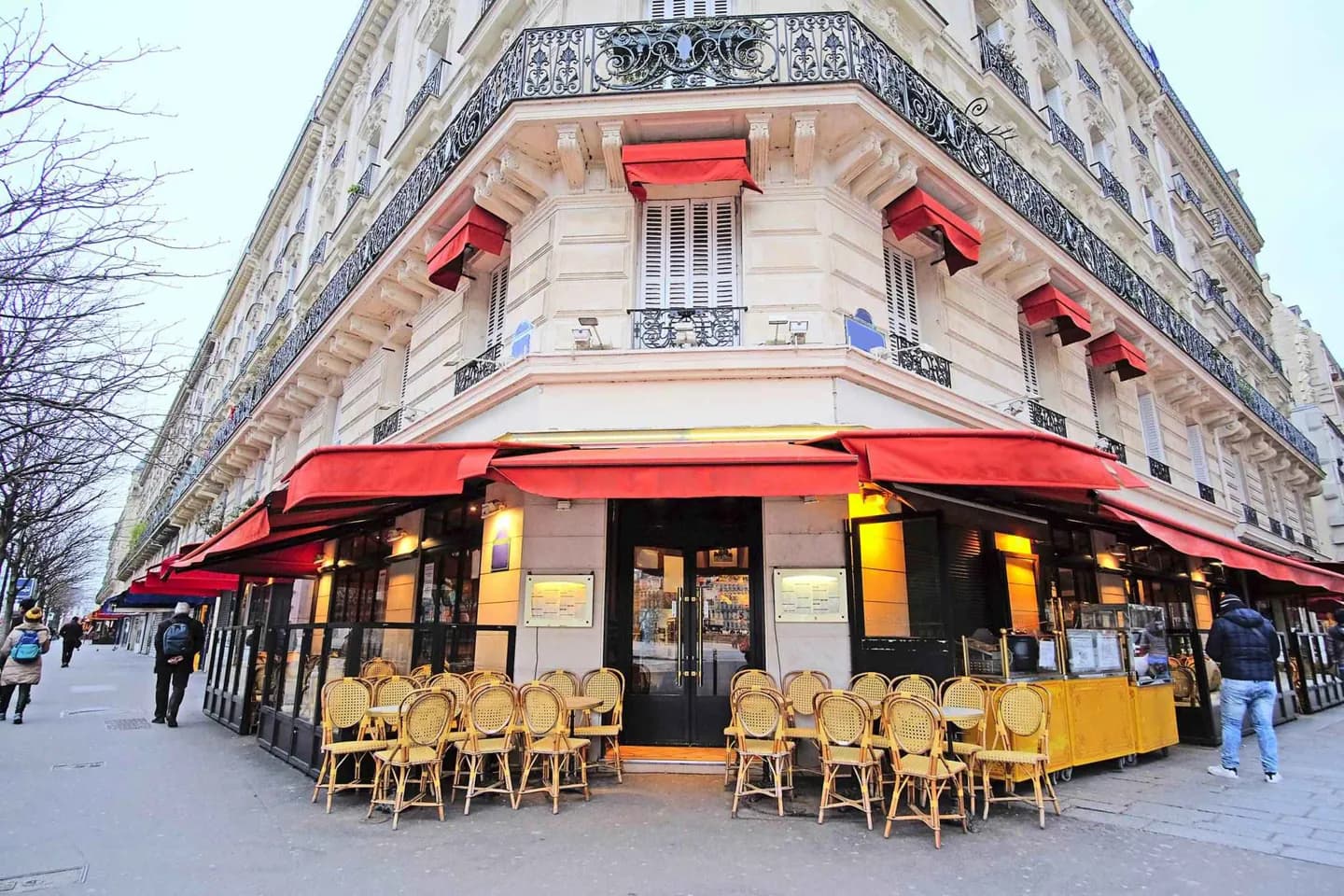
Paris developed a restaurant culture in which a meal can be either a quick pause or the main event of an evening. Traditional bistros remain one strand of that culture, with straightforward French cooking and street-facing terraces. The city also changed as cooks travelled, worked abroad, and cooked alongside Paris's immigrant communities. That history helps explain why a visitor can move from a classic French menu to Lebanese, Asian, vegetarian, or other cuisines within the same day. The useful distinction is not between French and non-French food, but between a meal chosen for convenience beside a major attraction and one chosen because its street has several real options. Dining rooms are often compact because central Paris has limited space. A lively, close-set room can be part of the character; it is less appealing when you need a quiet, unhurried table.
Useful to know
- Use a bakery, food counter, or takeaway lunch when a museum-heavy day leaves little time to sit down.
- For dinner, compare menus on nearby streets rather than choosing the first terrace beside a landmark.
- Expect closely spaced tables in many small restaurants; choose a larger dining room if space matters.