
Why go
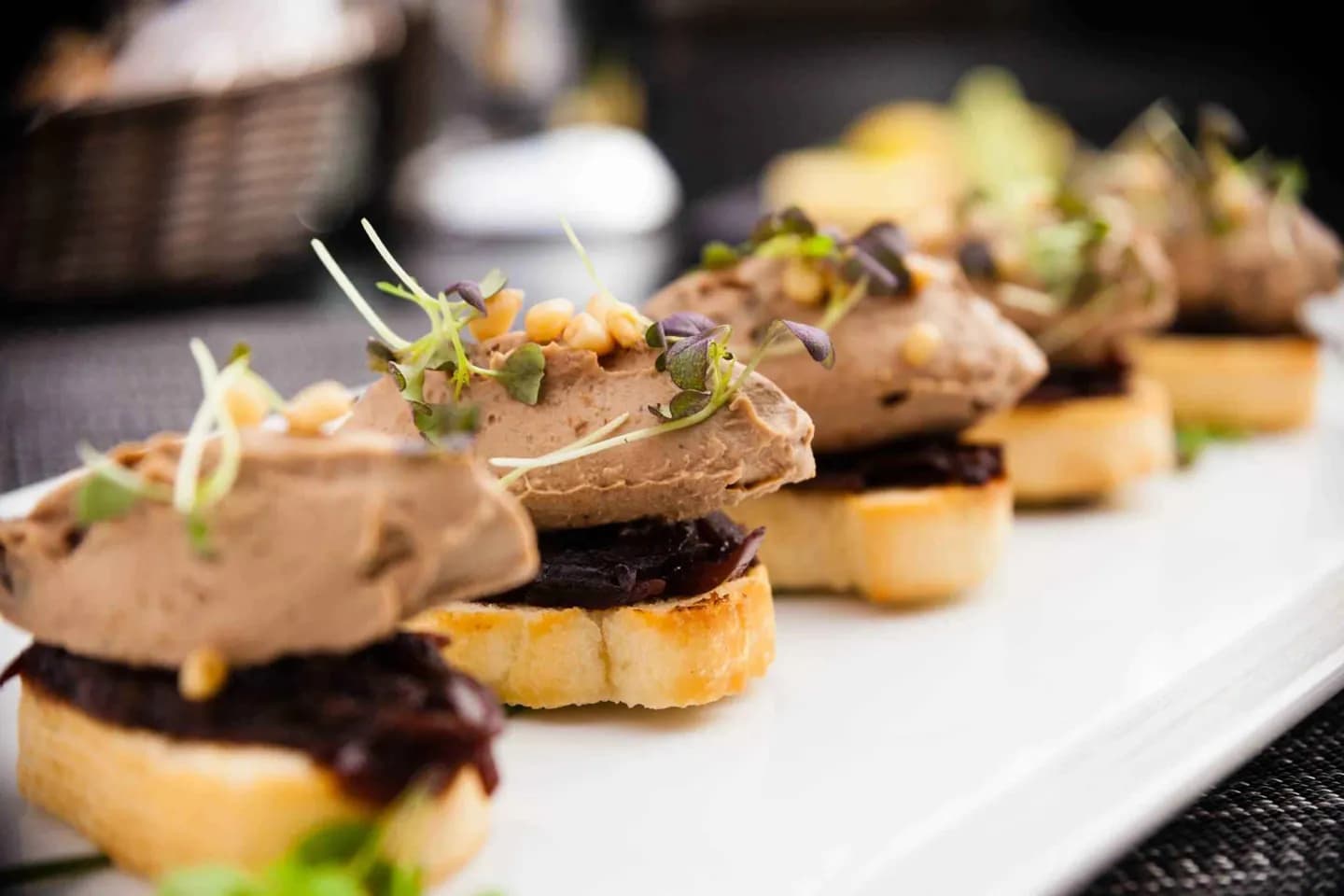
Foie gras is a classic French menu item for diners seeking a rich, ceremonial starter. A menu description helps distinguish a terrine, mi-cuit preparation or cooked dish. Its concentrated texture means it usually appears as a small course, so the preparation named on the menu is useful for deciding how it will be served.
The full story
Foie gras is made from the specially fattened liver of a duck or goose. Its rich, buttery texture differs from ordinary liver, and the ways it is sold or prepared produce distinct experiences. It may be offered whole or made into mousse, parfait or pâté; these names describe different presentations rather than interchangeable labels for one finished dish. It can also accompany another food, including steak, instead of appearing only as a separate starter. Its place in French culinary culture includes a debate about production. Traditional gavage uses force-feeding to fatten birds, a practice criticised on animal-welfare grounds. Understanding that method gives context to both the food’s reputation as a luxury product and the controversy surrounding it. The useful menu questions are therefore about preparation and production, as well as flavour.