
Why go
It is a way to recognise regional France within a Paris bakery. The bread’s slashed shape makes it visually distinct, while its Roman hearth-bread ancestry and links to focaccia explain why it can feel closer to a savoury flatbread than a standard loaf.
The full story
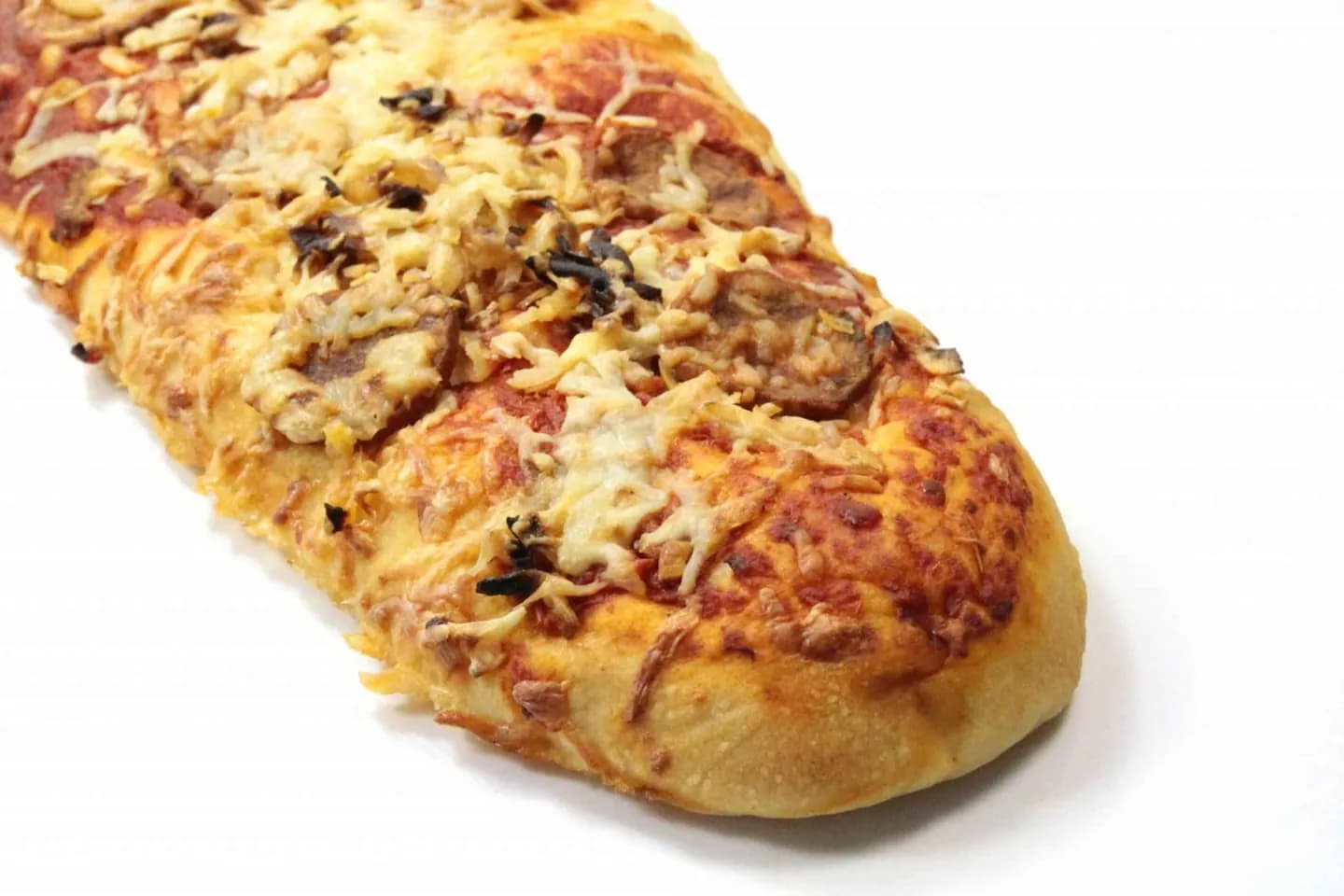
Fougasse is most closely associated with Provence, though related breads appear across France and beyond. Its name is linked to the Roman panis focacius, a flatbread baked in hearth ashes, from which a broad family developed: Italian focaccia, Catalan fogassa, Ligurian fugàssa and several French regional forms all share part of that history. In Provence, fougasse is often enriched with olives, cheese or anchovies and may be slashed or sculpted to resemble an ear of wheat. That cut shape is more than decoration: it changes how the bread tears and shares at a table. Bakers historically used fougasse to judge the heat of a wood-fired oven before loading the rest of the bread. Some filled versions use cheese, bacon, fruit, Roquefort, nuts or goat’s cheese, blurring the line between loaf and sandwich. Do not confuse the Provençal bread with Monaco’s sweet fougasse pastry, which is topped with almonds and nuts. In Paris, fougasse is best read as a regional bread rather than an everyday local staple.