
Why go
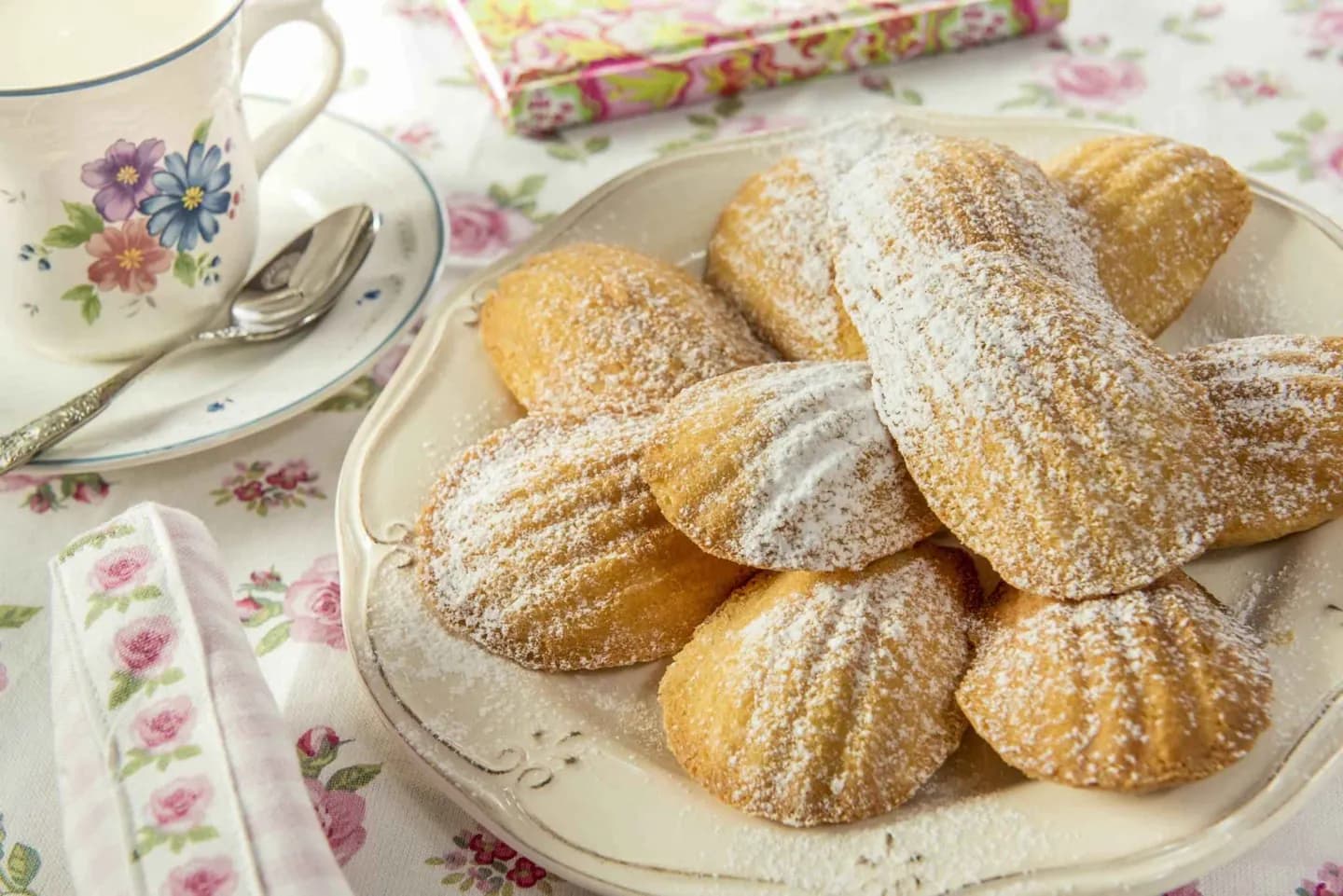
It offers more than a sweet snack: its form reflects eighteenth-century metal moulds, while Proust made the cake a lasting symbol of involuntary memory. That association gives a familiar pastry an unusual cultural charge when encountered in France. Its small shell shape also makes it easy to recognise as a simple cake whose literary reference exceeds its size.
The full story
The madeleine’s rise coincided with the increasing use of metal moulds in European baking during the eighteenth century, and its commercial success followed in the early nineteenth century. Culinary writers of the Napoleonic era, including Antonin Carême and Grimod de la Reynière, mentioned it. Its most durable cultural association comes from Marcel Proust’s In Search of Lost Time. In the novel, the taste of a madeleine becomes the trigger for involuntary memory: recollection that arrives without deliberate effort. Proust contrasts that experience with memories sought through conscious thought, which his narrator considers partial. The famous madeleine episode has made the little cake shorthand for an unexpected sensory return to the past. It is a useful example of how a modest pastry can carry a much larger French literary reference.