
Why go
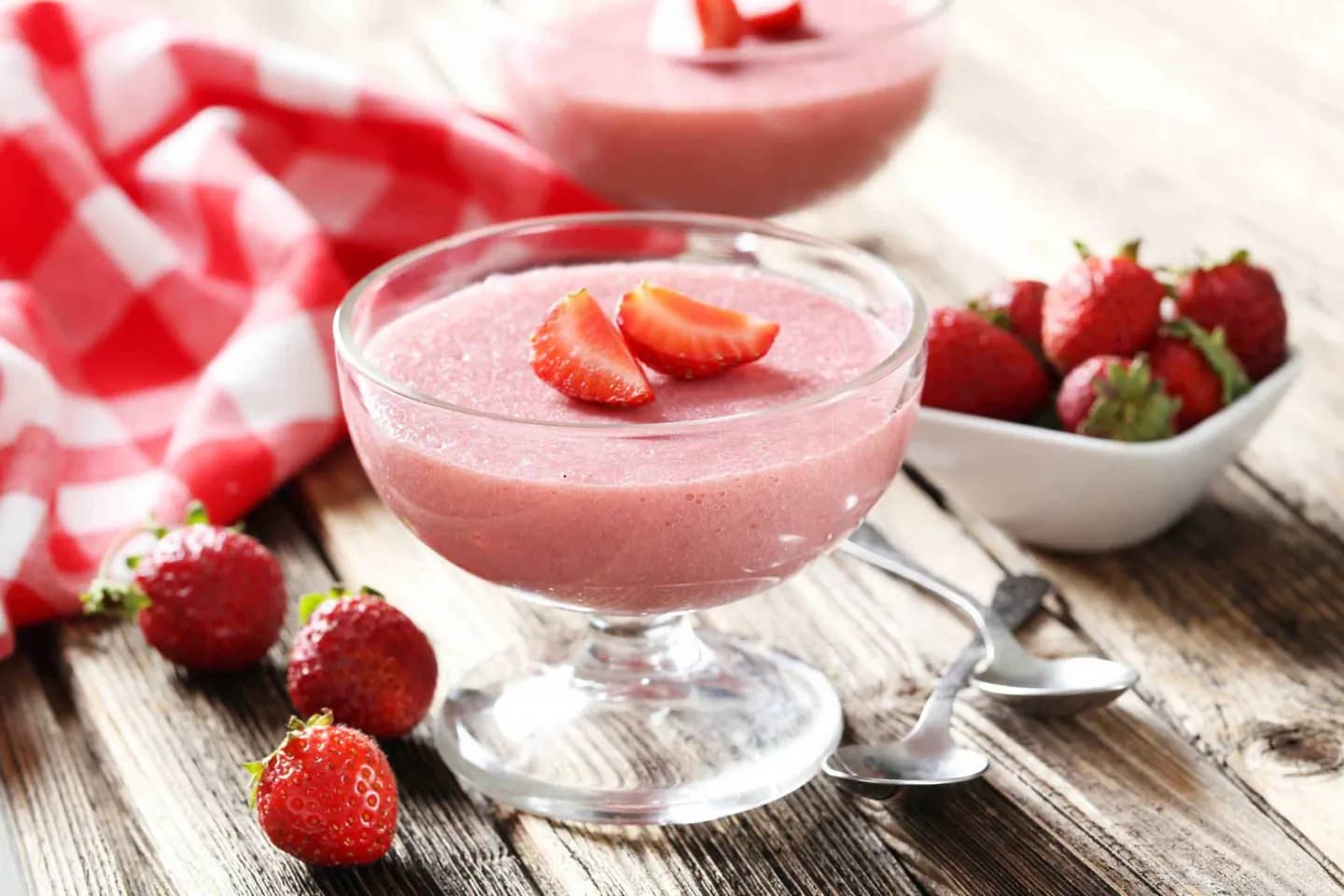
It is a useful French dessert term to recognize because texture, rather than one fixed flavour, is the main idea. Sweet versions may be made with whipped egg whites or cream and flavoured with chocolate, coffee, caramel or fruit; the same technique also appears in savoury dishes.
The full story
A mousse gets its character from air bubbles incorporated during preparation. That simple principle produces a wide range of results, from very light and fluffy to dense and creamy. In sweet mousses, whipped egg whites or whipped cream provide the lift, while chocolate, coffee, caramel, puréed fruit, herbs or spices supply the flavour. Some are stabilized with gelatin, particularly when they are used as cake fillings. The term can also describe savoury preparations, including versions flavoured with fish, liver, eggs or herbs. Reading a dessert menu, then, mousse does not promise one exact recipe. It signals an airy preparation and invites attention to the ingredient carrying the flavour. Texture can vary with the base and the amount of air, so the flavour named on the menu remains the best guide to what will arrive.