
Why go
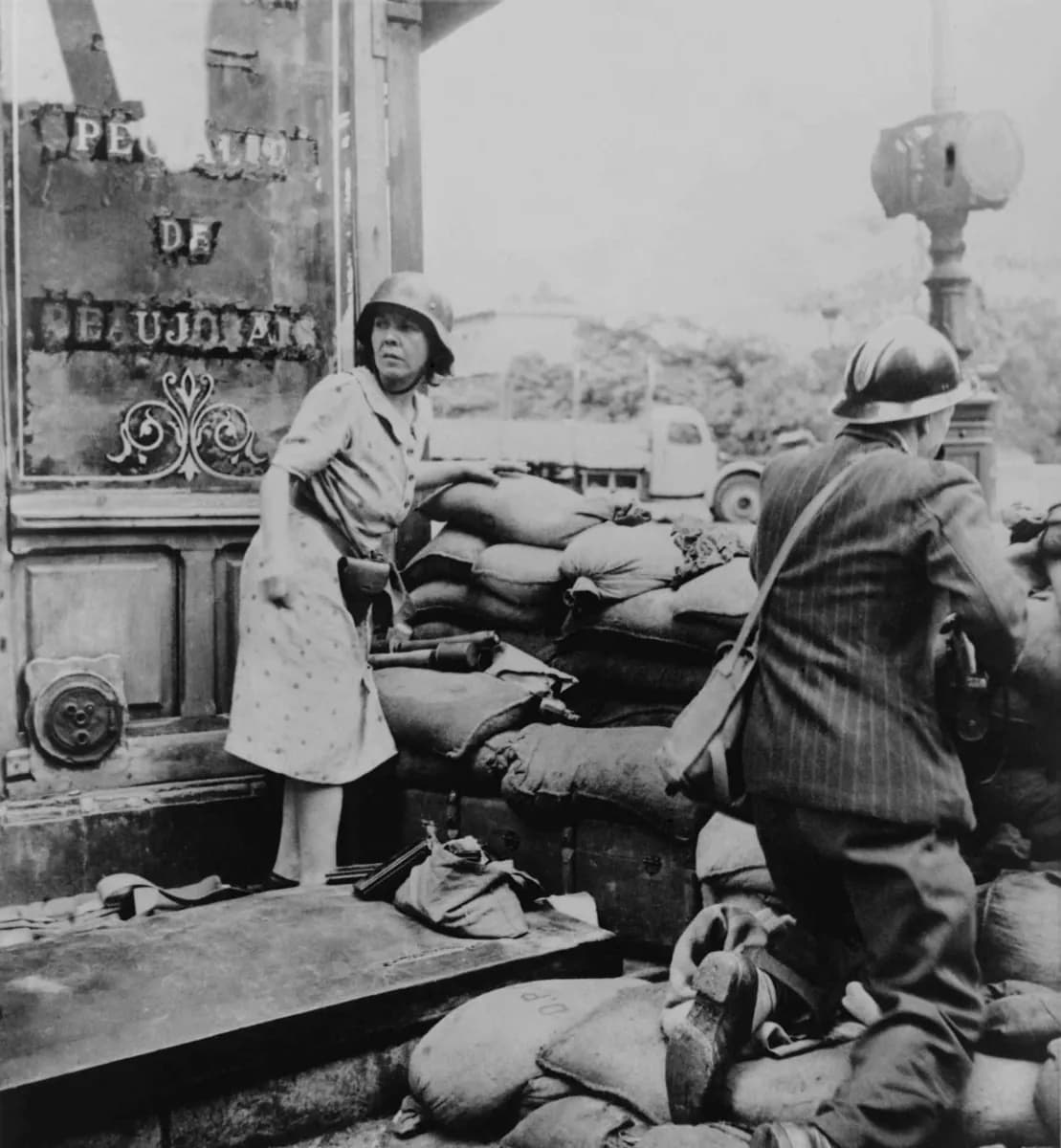
Knowing this history changes how several central addresses and public spaces are read. Occupying forces took over hotels and official buildings, while resistance networks used the city’s streets and services. The liberation brought the French 2nd Armored Division and American forces into the centre, followed by de Gaulle’s procession to Notre-Dame.
The full story
German troops entered Paris in June 1940 after the French government had left the city. During the Occupation, German signs appeared on major boulevards and military services occupied prominent hotels and buildings, including the Majestic Hotel, Hôtel Lutetia and Hôtel de la Marine. Resistance began in public with a student demonstration on 11 November 1940, then continued through clandestine newspapers, graffiti and networks linked to different political groups and to de Gaulle’s movement in London. As Allied forces advanced after the Normandy landings, strikes disrupted railways, police and other services. A general uprising began on 19 August 1944. French and American forces entered on 25 August, and the German commander surrendered. De Gaulle’s procession down the Champs-Élysées to Notre-Dame became one of liberation’s defining images. These places carry a history of control, resistance and public release.