
Why go
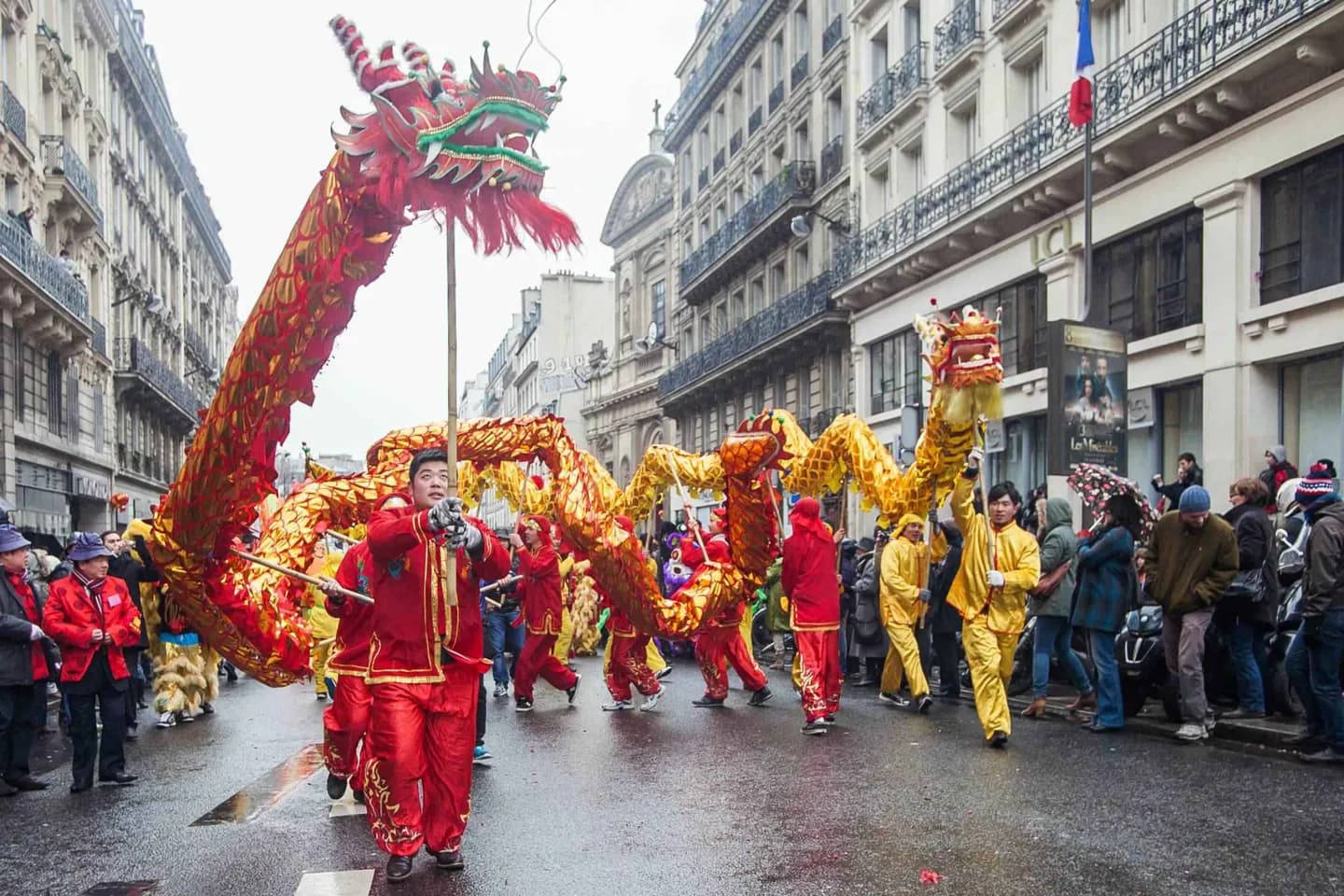
It reveals a less formal side of Parisian public culture. The carnival’s history reaches back at least to the 15th century, while its butchers, launderers, students and other participants show that it was built through ordinary civic groups as well as spectacle.
The full story
The Paris Carnival has roots reaching at least to the early 15th century and was once a long season of dances, feasts and public celebration leading into Lent. Its defining character came from organised civic participation. Workers, butchers, launderers, traders and students all played a part, and the festival became associated with traditional figures, costumes and jokes as well as the Mardi Gras calendar. In the 19th century, the Paris Opera’s masked ball and processions along the Boulevard des Capucines became images of the carnival; Manet painted the former, while Monet depicted the boulevard’s processional setting. The tradition was interrupted from 1952 to 1997, a gap that helps explain why it has not always been widely known even in Paris. The Promenade du Bœuf Gras, or Fat Ox procession, remains one of its historic motifs. Treat the carnival as a seasonal cultural event with a specific programme, and check current dates and routes before planning around it.