
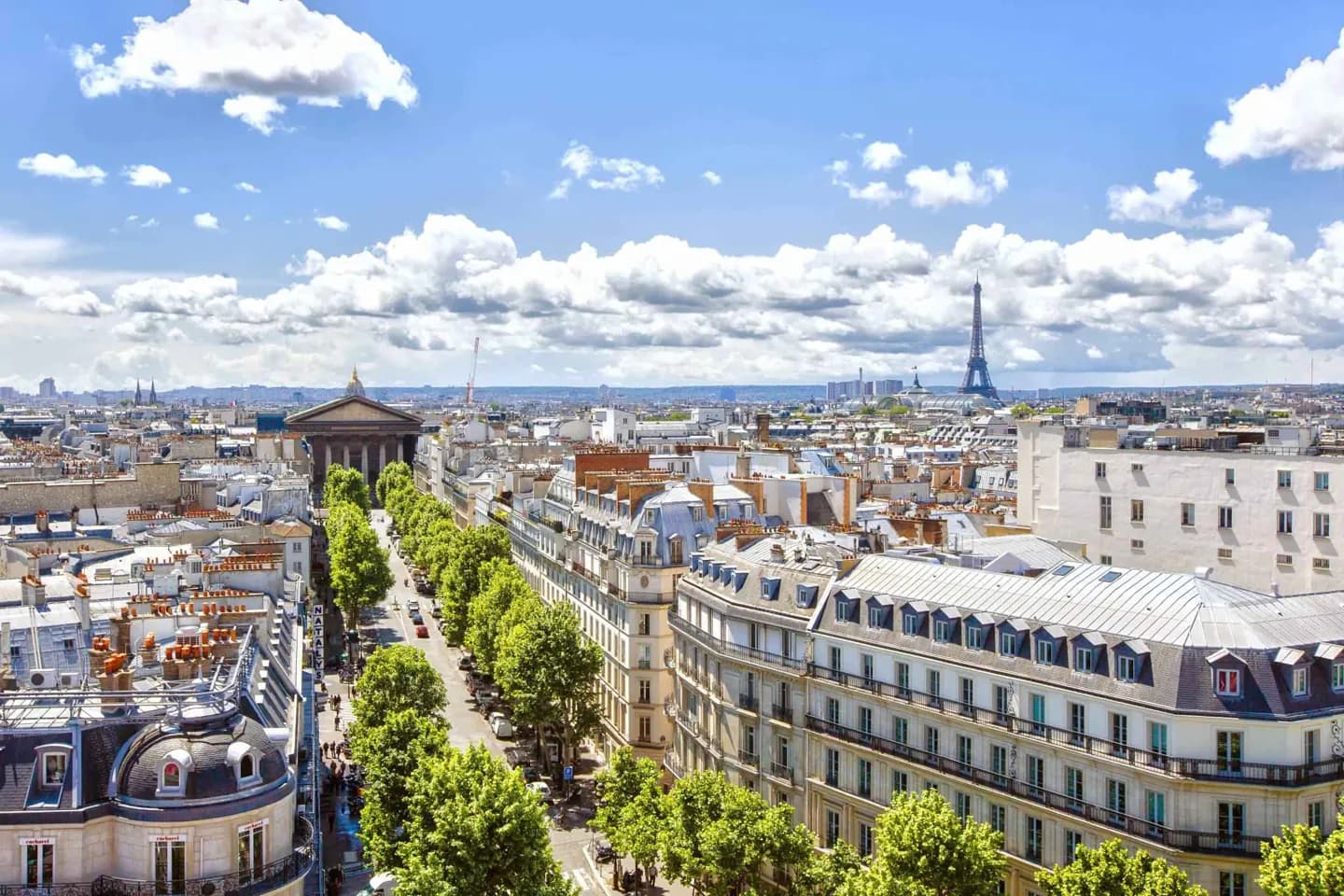
Why go
This context helps visitors look beyond landmark Paris. The city’s influence in museums, fashion and luxury sits alongside a metropolitan story that extends to La Défense and suburbs north and east of the centre. Understanding that wider setting makes its social geography more legible and avoids treating the historic core as the whole city.
The full story
In the early 21st century, Paris continued to project cultural and economic influence through museums, fashion, luxury goods and business services. The Louvre and Centre Pompidou drew international attention, while companies such as L’Oréal and major fashion houses reinforced the city’s role in design and commerce. Yet this image of prosperity sits beside strong inequalities across the wider urban region. Some of the wealthiest neighbourhoods in France are in and around Paris, while lower-income areas, particularly in northern and eastern suburbs, have faced persistent exclusion. The unrest that began in Clichy-sous-Bois in 2005 and spread beyond the Paris region made those divisions impossible to ignore. For a visitor, the useful point is geographical: Paris is both a compact historic city and the centre of a much larger metropolis. Museums and shopping streets tell one story; transport lines leading outward point toward another.