
Why go
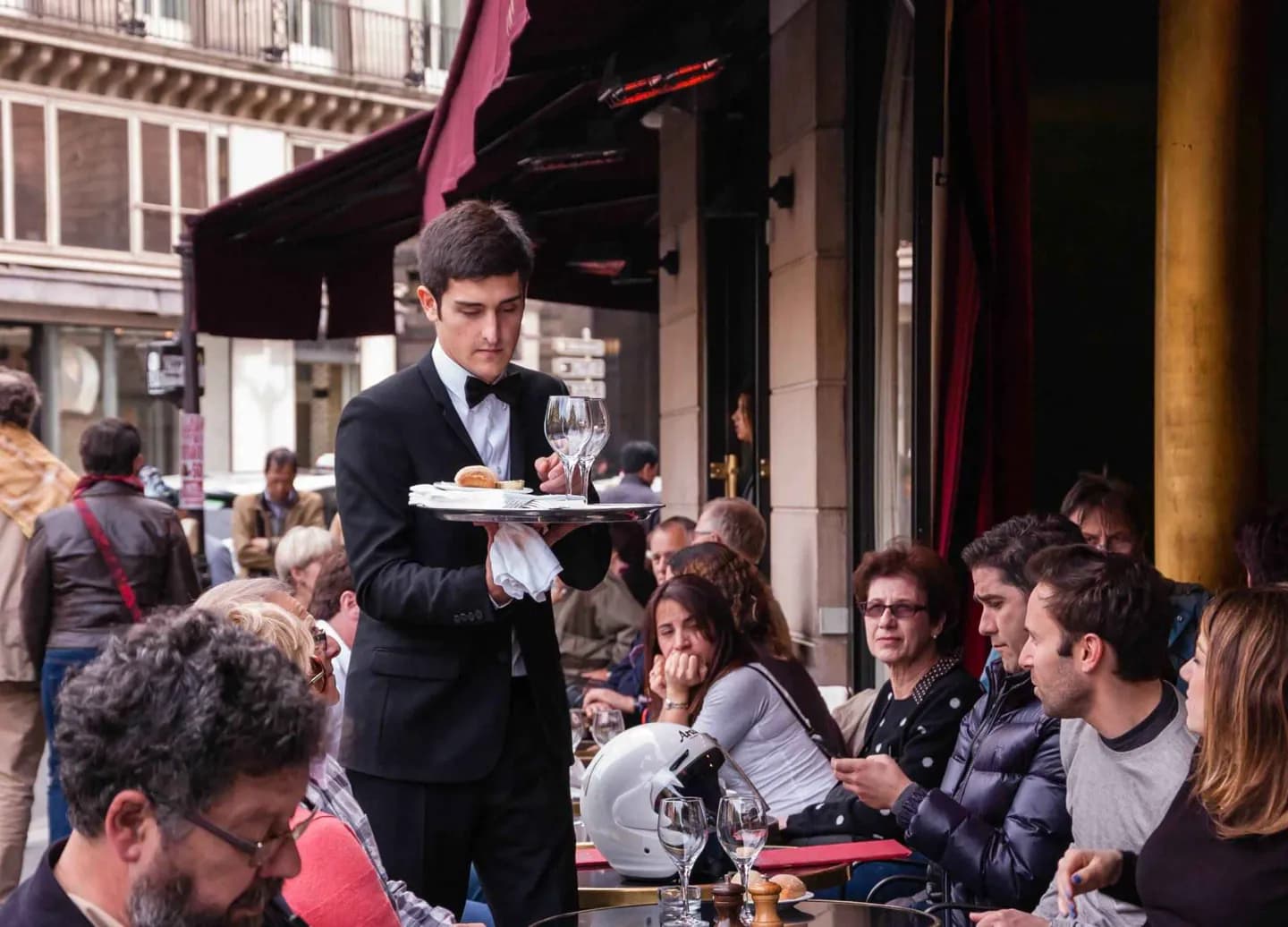
Paris explains how restaurants became urban culture. The Palais-Royal, Boulevard des Italiens and Belle Époque dining rooms connect the historic trade with a present-day range of cuisines. Those addresses make the story visible in the city, while the modern variety of French regional and international cooking keeps the subject useful when choosing where and how to eat.
The full story
Paris has been associated with restaurants and haute cuisine since the late 18th century. Antoine Beauvilliers’s La Taverne Anglaise opened in the Palais-Royal arcades in 1786, with an elegant dining room, extensive menu, wine list and trained waiters that became a model for later restaurants. In the 19th century, prominent dining rooms gathered near the theatres of the Boulevard des Italiens and entered the novels of Balzac and Émile Zola. Belle Époque names such as Maxim’s, Ledoyen and Tour d’Argent continued that tradition. Paris now brings together French regional cooking and cuisines from around the world. The history helps explain why the restaurant is more than a place to eat in Paris: dining rooms, theatre districts and menus developed together as part of urban public life.