
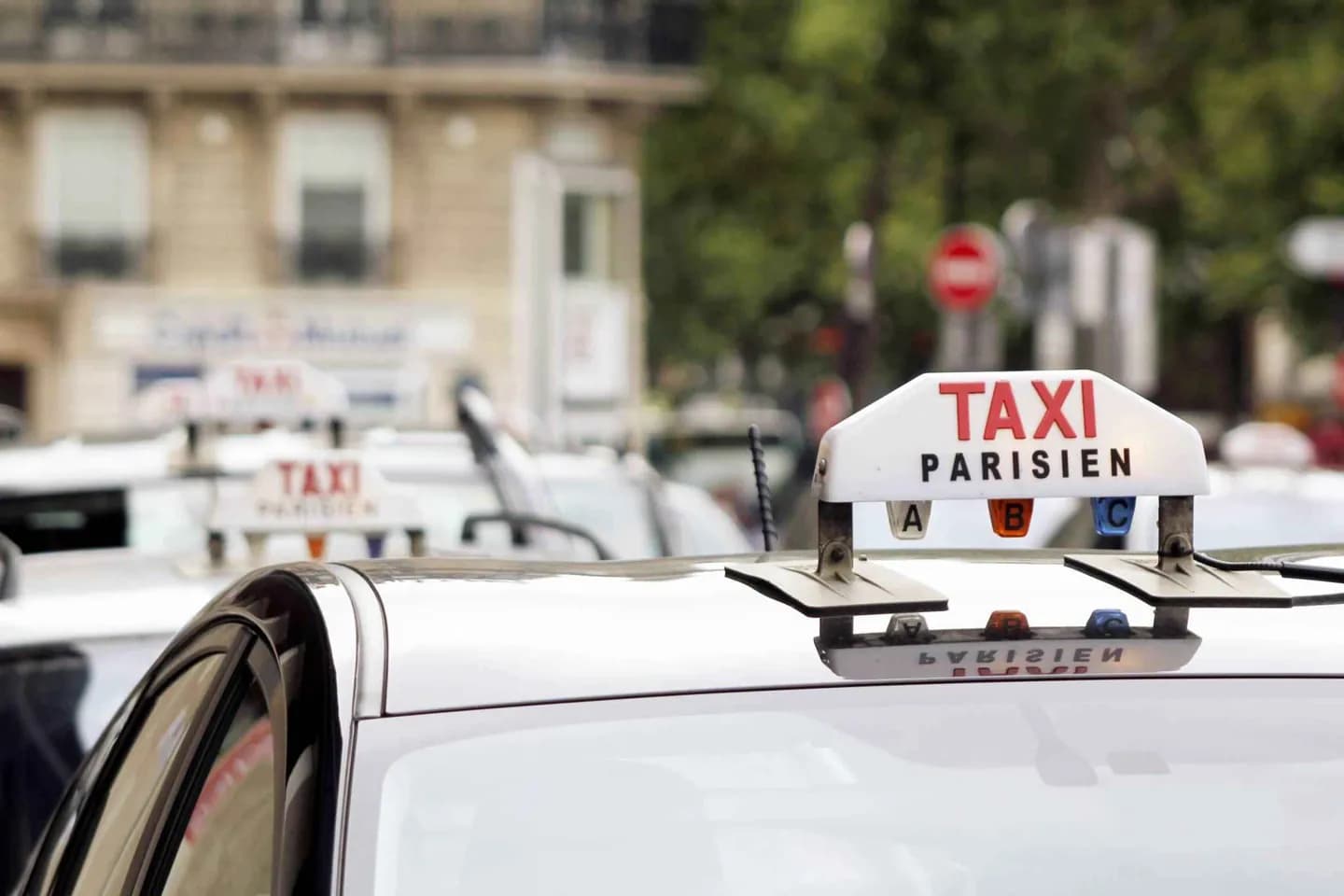
Why go
Taxis add flexibility when a walk, Métro change or bus connection would be difficult. They are most useful for an airport or station transfer, a group with bags, or a trip that ends away from a convenient rail stop. In central daytime traffic, a shorter above-ground journey may be slower than the same route on foot or by Métro.
The full story
Taxis are a useful complement to Paris public transport because they solve the last, awkward part of a journey. A station exit with heavy luggage, an early departure, an airport transfer or a destination beyond a simple rail connection can all make a door-to-door ride worthwhile. The city’s street pattern also explains their limits. One-way streets and dense traffic can make a short map distance longer in a car than it looks, especially during the day. Taxi ranks near railway stations, large hotels, hospitals and major crossings provide a practical pickup point, while advance booking is sensible when the trip has a fixed deadline. The decision is therefore about the whole journey rather than prestige or convenience alone. If the route is central and light, walking or the Métro may be quicker. If baggage, timing or the final address is the constraint, a taxi can remove several separate steps. Fares, booking methods and airport terms are operational details and should be checked before travel.
Useful to know
- For a time-sensitive journey, arrange the taxi through a current official or established booking channel rather than assuming one will be available nearby.
- Use a marked taxi rank at major stations, hospitals and hotels when one is nearby.
- Allow for one-way streets and traffic when deciding whether a taxi will actually save time.