
Why go
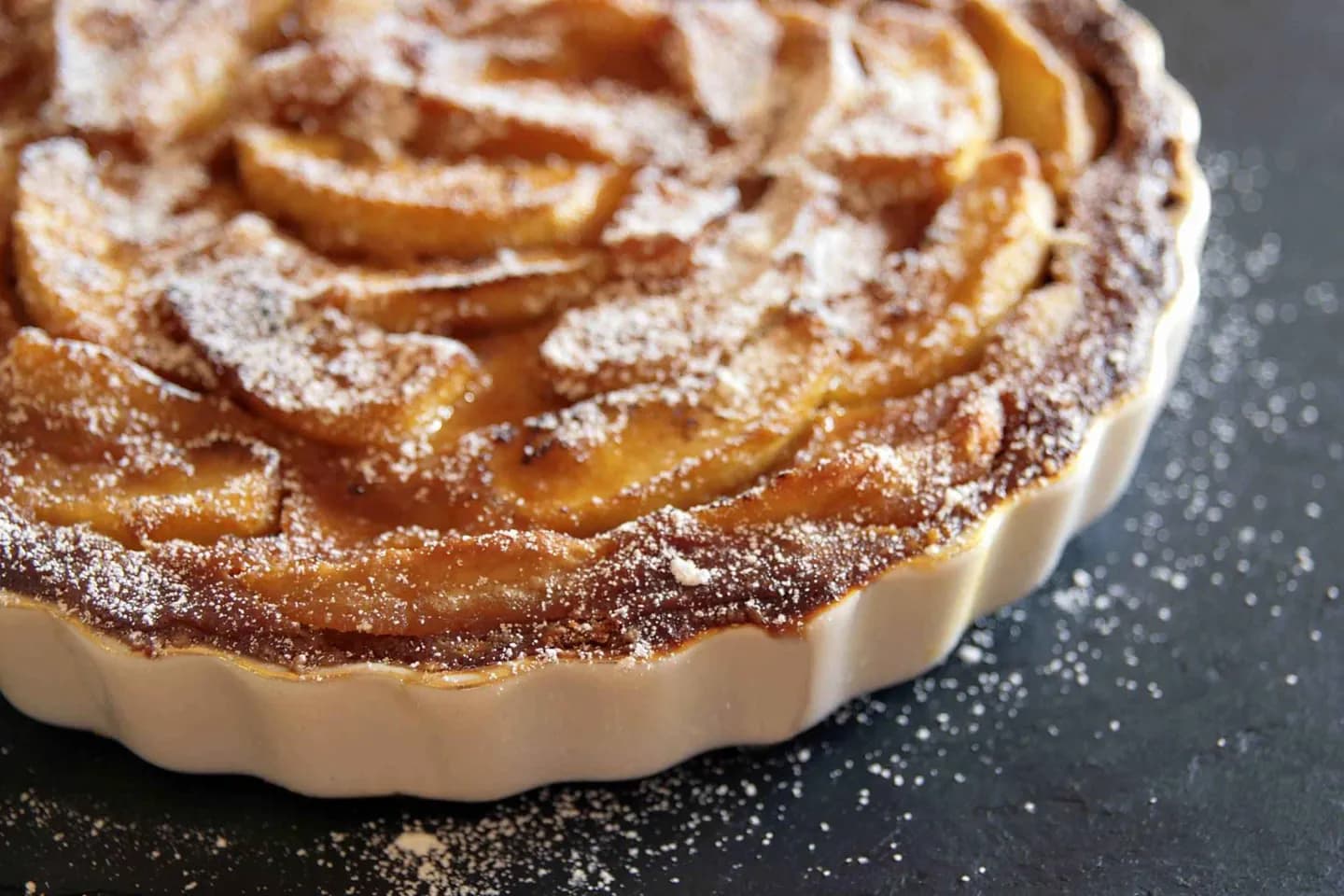
Order it to understand a French classic through its structure: apples caramelized in butter and sugar, then baked beneath a pastry lid and turned out. Its famous origin story is less settled than menus suggest, which makes the dessert's journey from a regional tart to a named classic more interesting.
The full story
Tarte Tatin is closely associated with the Hôtel Tatin in Lamotte-Beuvron, south of Paris, run by sisters Stéphanie and Caroline Tatin. A popular story says that Stéphanie overcooked apples in butter and sugar, covered them with pastry, baked the pan and served the tart upside down. The record is more complicated. Upside-down fruit tarts already existed, and the dish may have been an improved version of the local tarte solognote. What is clear is that the tart became the hotel’s specialty. The sisters did not publish a cookbook or call it tarte Tatin themselves; the name gained wider recognition after their deaths. That uncertainty is part of the appeal: the dessert is defined less by a single invention tale than by the contrast between deeply caramelized fruit and pastry.