
Why go
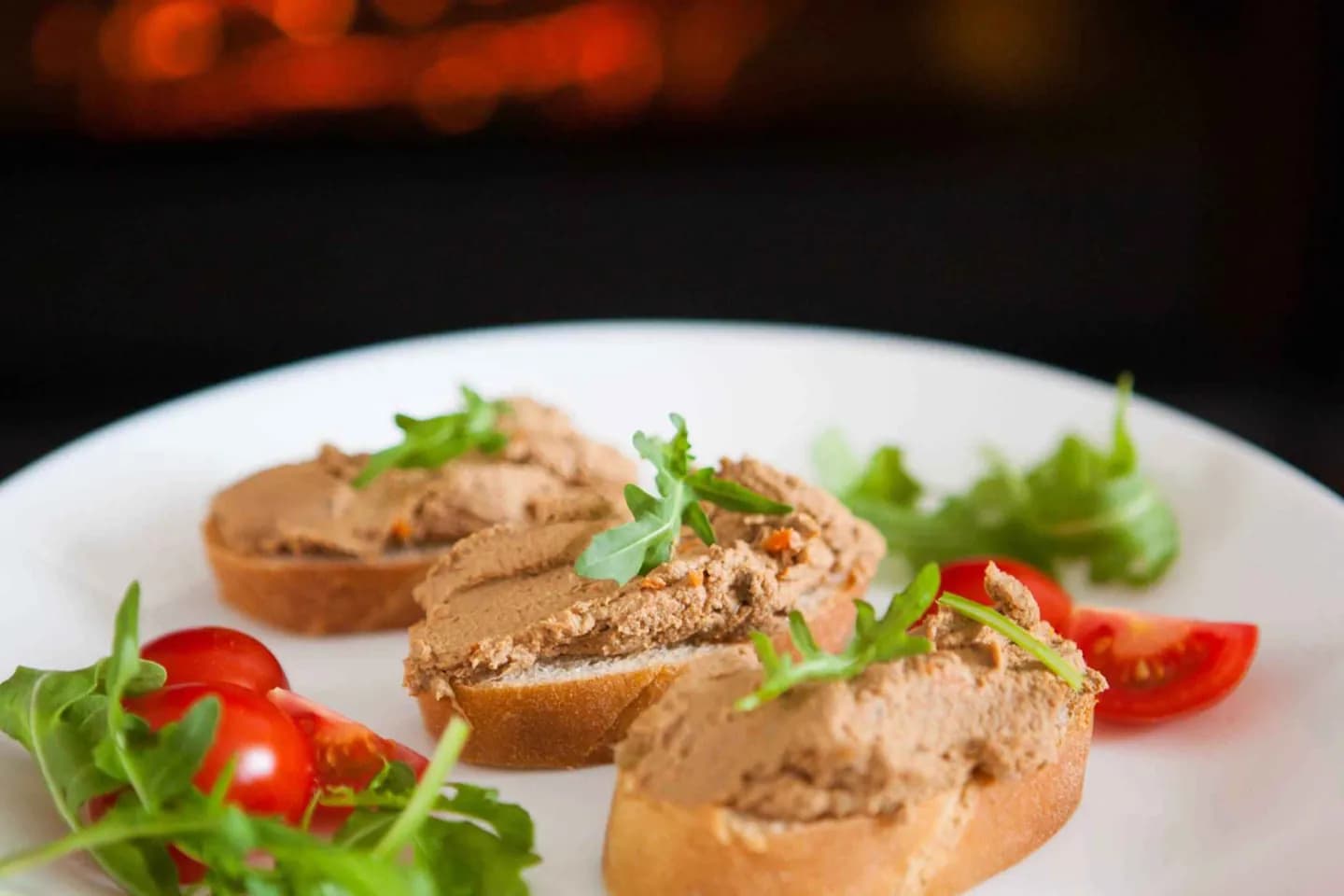
Terrines show the preserving and moulded side of French charcuterie. They are a useful cold starter, often distinct from a smooth pâté because the preparation can retain a coarser texture. The name also signals the vessel and serving style, helping a diner expect a sliced preparation rather than a spread or a hot main course.
The full story
A terrine most often means a French forcemeat loaf related to pâté, with ingredients chopped more coarsely. It is usually served cold or at room temperature. That combination of defined texture and sliced presentation helps distinguish it from the idea of a uniformly smooth spread, although the two terms overlap in French food vocabulary. The main meat is not necessarily pork. Pork and fat are common components, while game such as venison or wild boar can give a particular version its identity. A menu naming only a terrine therefore describes a preparation more clearly than it identifies every ingredient. Ask which meat it contains if that changes your choice. The word also belongs to the cooking or serving vessel itself and can describe other foods presented in that dish, so the accompanying description matters.