
Why go
The Métro and RER make Paris compact once you understand their different roles. Métro lines serve closely spaced city stations, while RER trains cross Paris and extend into the wider region. The trade-off is that large interchange stations can involve stairs, long corridors and a less comfortable transfer than a direct journey.
The full story
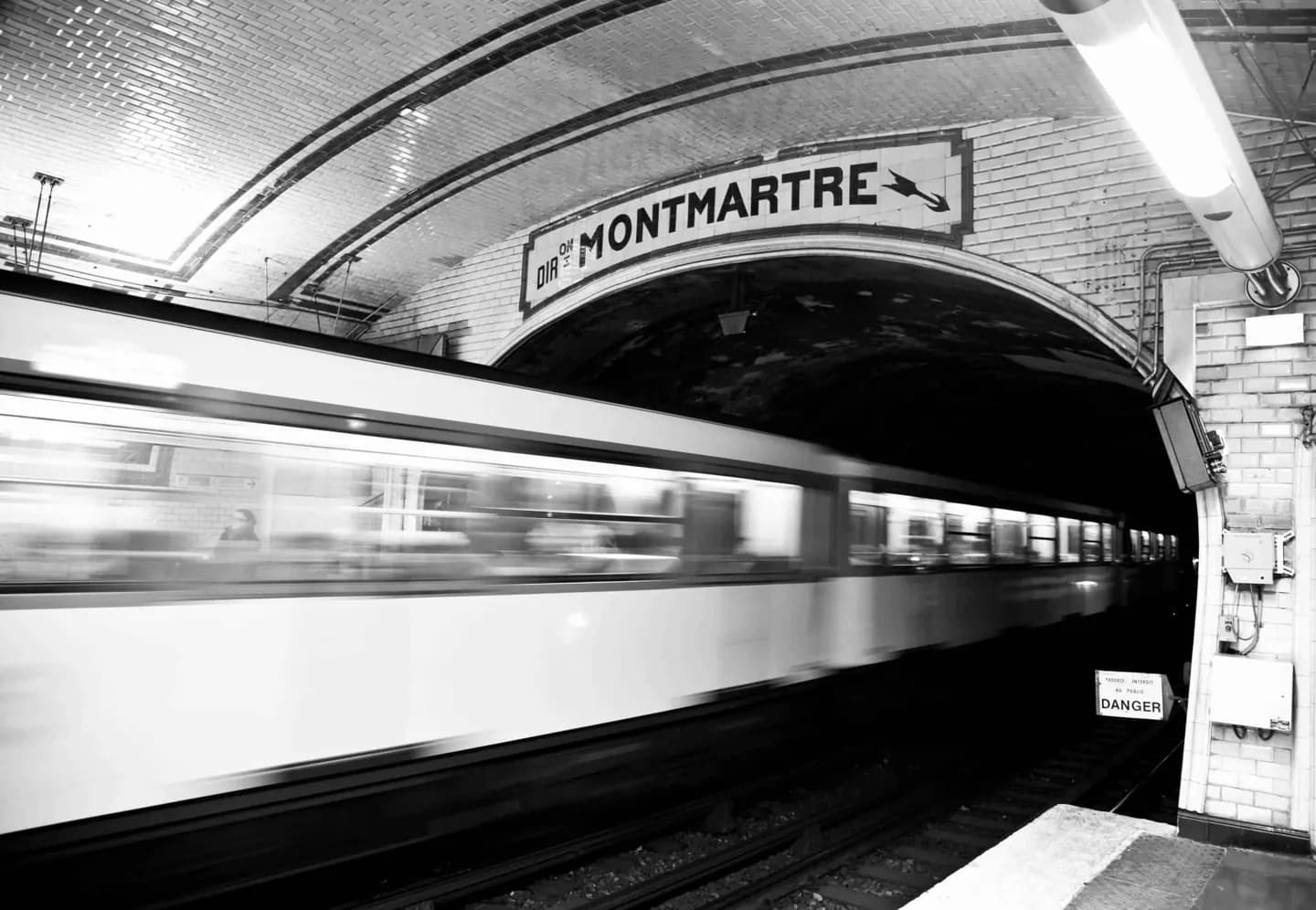
Paris has two complementary urban rail systems. The Métro is the dense underground network that follows many of the city’s main streets and brings stations close together. The RER, short for Réseau Express Régional, is a regional express network: within Paris it can cross longer distances quickly, then it continues to suburbs and other destinations outside the centre. This distinction matters when choosing a route. A Métro trip can be the simplest way to reach a nearby district, while an RER train may suit a longer cross-city or regional journey. Both systems use terminal stations to show direction, so the useful information is not just a line number but the destination displayed beside it. Paris interchanges are part of the experience too. Many were built into an old, dense network, and changing trains can mean corridors, stairs and crowded platforms. Plan a little more time when the route includes a major change or luggage.
Useful to know
- Follow the line’s terminal destination on signs and platforms; it tells you which direction the train is travelling.
- Choose a direct route when carrying bags, since an interchange can mean several flights of stairs and long passageways.
- For travel beyond central Paris, check the current route and ticket conditions with the transport authority before setting out.