
Why go
Balzac worked on La Comédie humaine here, and objects associated with him make the writer tangible beyond his books. A writing desk, portraits and personal possessions connect literary ambition with a lived interior. The garden is part of that setting, keeping the visit rooted in the house rather than an isolated collection of memorabilia.
What to look for
- Balzac's writing desk and chair connect the rooms to his working life.
- A turquoise-studded cane and coffee-related objects reveal the novelist through personal possessions.
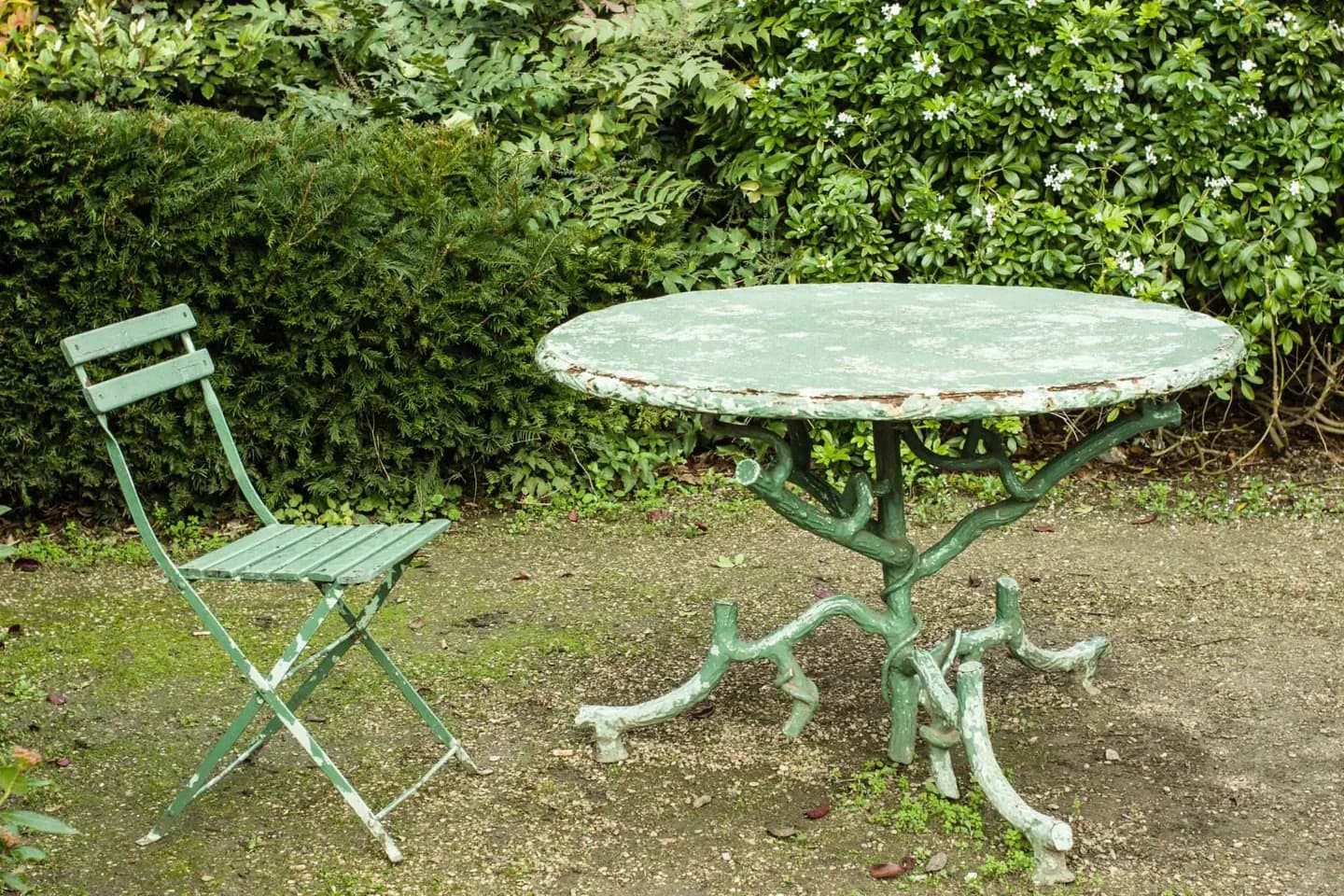
- The garden opens from the former apartment, preserving the house's domestic relationship with outdoor space.
The full story
Balzac rented the top floor of this house from 1840 to 1847 after fleeing his creditors. He used the name of his housekeeper, a reminder that the novelist's productive years here also involved financial pressure. In the apartment he edited La Comédie humaine and wrote novels including La Rabouilleuse, Une Ténébreuse Affaire and La Cousine Bette. The small residence housed work whose reach extended far beyond its rooms. It is the only one of Balzac's many residences still in existence, but the interior should not be read as a completely preserved household. His furniture was dispersed after his widow's death. The objects now brought together here document his life and work within the surviving building. Paris acquired the house in 1949, allowing a private refuge to become a public place for understanding the novelist.
Useful to know
- Visit the rooms before the garden so the outdoor setting follows the writer's domestic world.
- Use rue Raynouard as your anchor for combining the house with a walk through residential Passy.
Your next visit
Estimated · Declared scenario and planning estimates; no live opening, weather, queue or booking service.
Outdoor visit · 30–45 min
World planning estimate; admission, opening, visit duration and access need checking.