
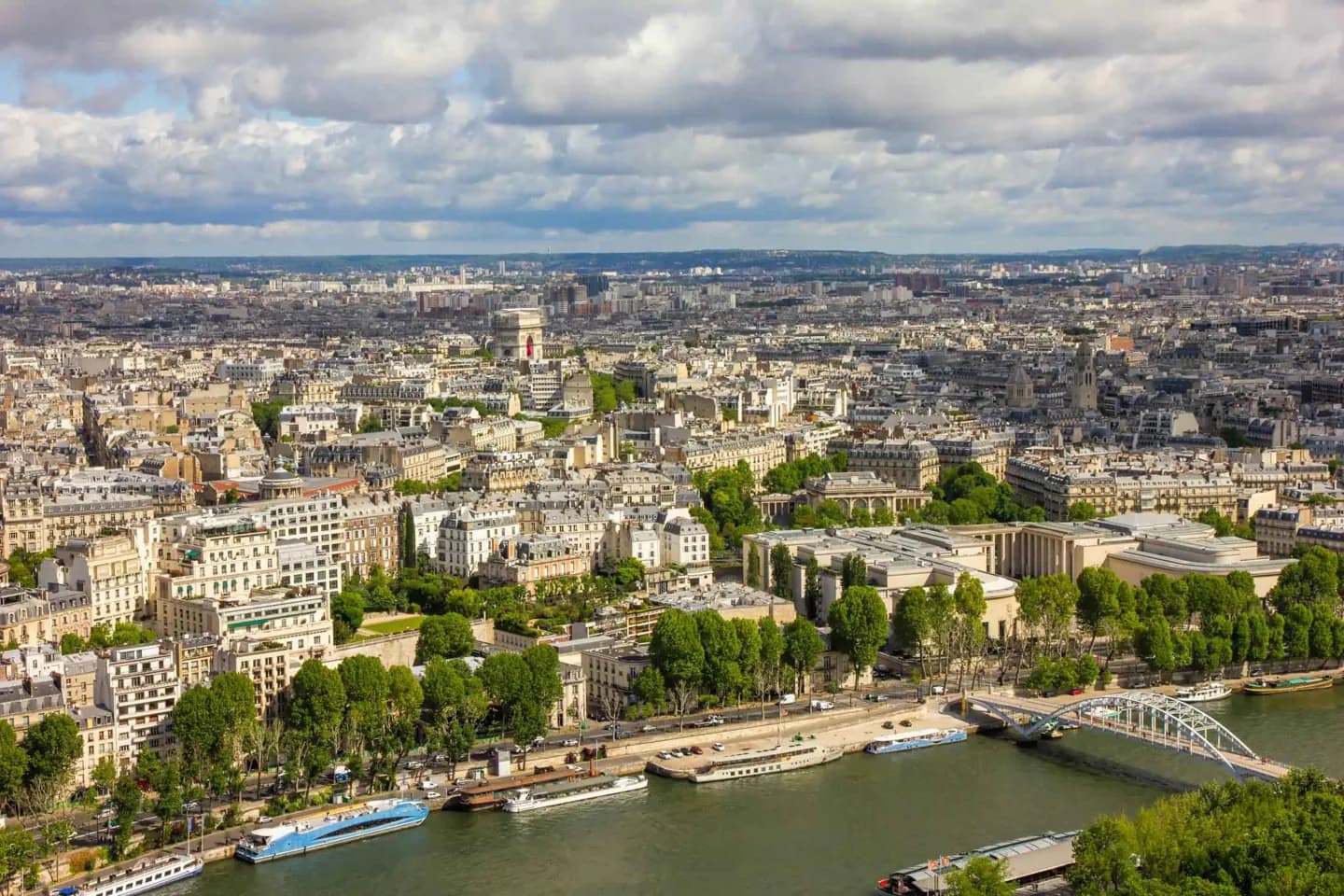
Why go
The figure on the pier gives this broad road bridge a distinctive subject to seek out. Parisians historically watched the Zouave during Seine floods, turning a military sculpture into a familiar reference for rising water. The north end also links the river crossing with the Diana memorial at the Flame of Liberty.
What to look for
- The Zouave stands on the upstream side of the bridge pier.
- The modern metal bridge contrasts with the surviving nineteenth-century soldier.
The full story
The bridge takes its name from the Battle of Alma during the Crimean War in 1854. Napoleon III commissioned it that October, and the original stone arch bridge opened on 2 April 1856. Four military statues decorated its piers: a Zouave, a grenadier, a skirmisher and an artilleryman. Reconstruction between 1970 and 1974 replaced the narrow, subsiding bridge with a metal structure. Only the Zouave remained here; the other figures moved to different locations in France. The soldier’s survival explains why a nineteenth-century sculpture stands against such a different bridge today. Its flood associations are historical popular observations, rather than a current safety gauge. Official water measurements used other bridges. Nearby, the tunnel where Diana, Princess of Wales, died in 1997 added another association to the Alma name, distinct from the battle commemorated by the crossing.
Useful to know
- Look toward the upstream face of the pier to find the Zouave.
- Add the Flame of Liberty at the north end for a separate layer of commemorative history.
Your next visit
Estimated · Declared scenario and planning estimates; no live opening, weather, queue or booking service.
Outdoor visit · 30–45 min
World planning estimate; admission, opening, visit duration and access need checking.