
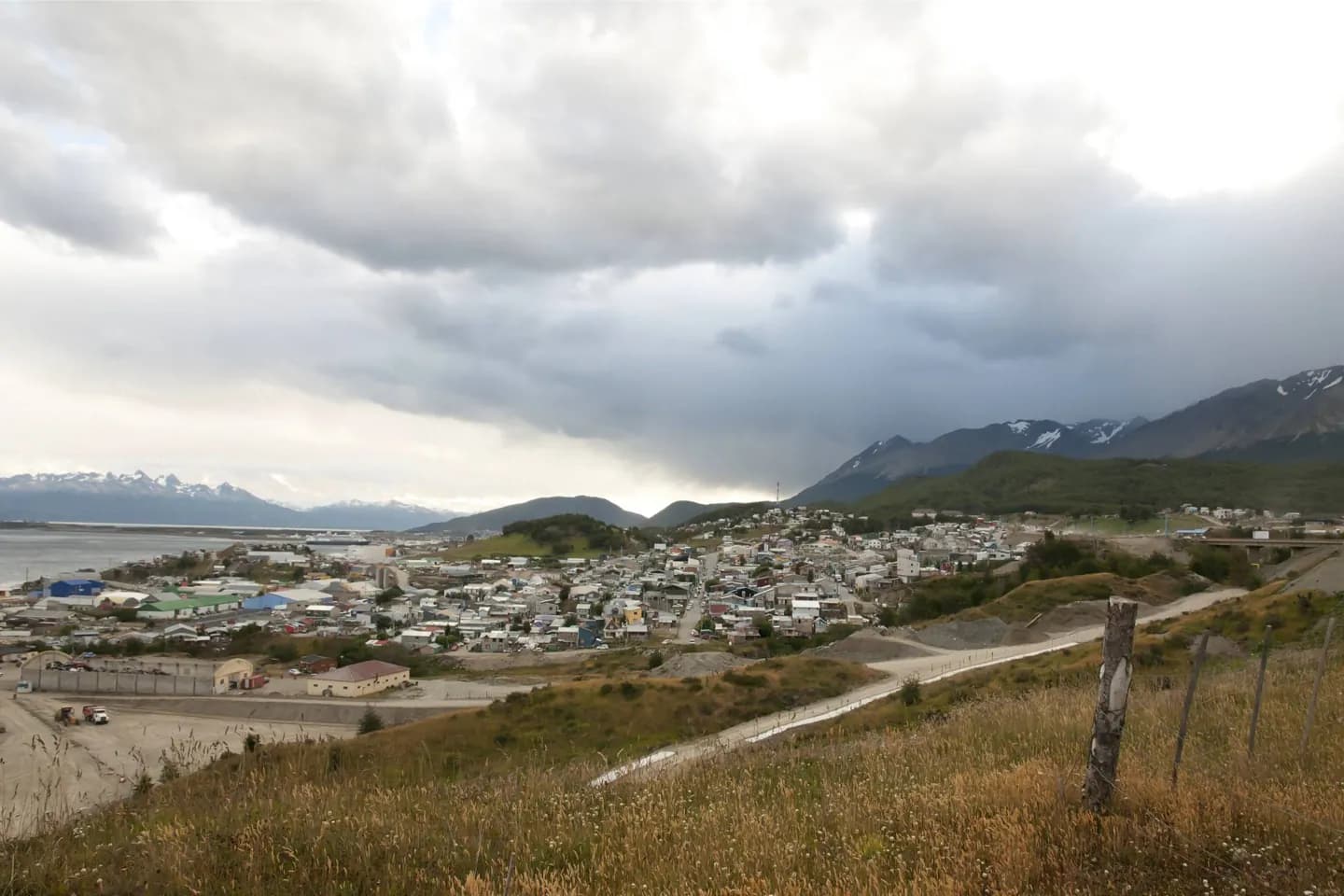
Why go
The Beagle Channel and Río Grande area were lived landscapes long before national borders divided the archipelago. Yaghan and Selk'nam histories, missionary activity and the violence of nineteenth-century settlement all belong in the picture. The familiar 'Land of Fire' name comes from European accounts of fires seen from ships.
The full story
Indigenous peoples inhabited Tierra del Fuego for thousands of years before Europeans arrived. Yaghan communities lived around the southern channels; Selk'nam communities lived on the main island. When Ferdinand Magellan's expedition passed the archipelago in 1520, fires seen from the water helped give the region its European name, Tierra del Fuego. Later voyages mapped the channels, while nineteenth-century missions and settlement drew the islands into Argentine and Chilean state projects. Anglican missionaries established a settlement at Ushuaia. Gold seekers and sheep ranchers arrived on the main island, bringing deep disruption to Indigenous lives. The violence against the Selk'nam during colonization is central to this history, not a footnote to a frontier story. At Ushuaia and Río Grande, the period of missions, ranching and state expansion still helps explain why these towns developed where they did. The Argentine and Chilean parts share this wider history, though they are separate destinations today.
Useful to know
- Read Ushuaia's mission and prison history alongside the older Yaghan presence around the Beagle Channel.