
Why go
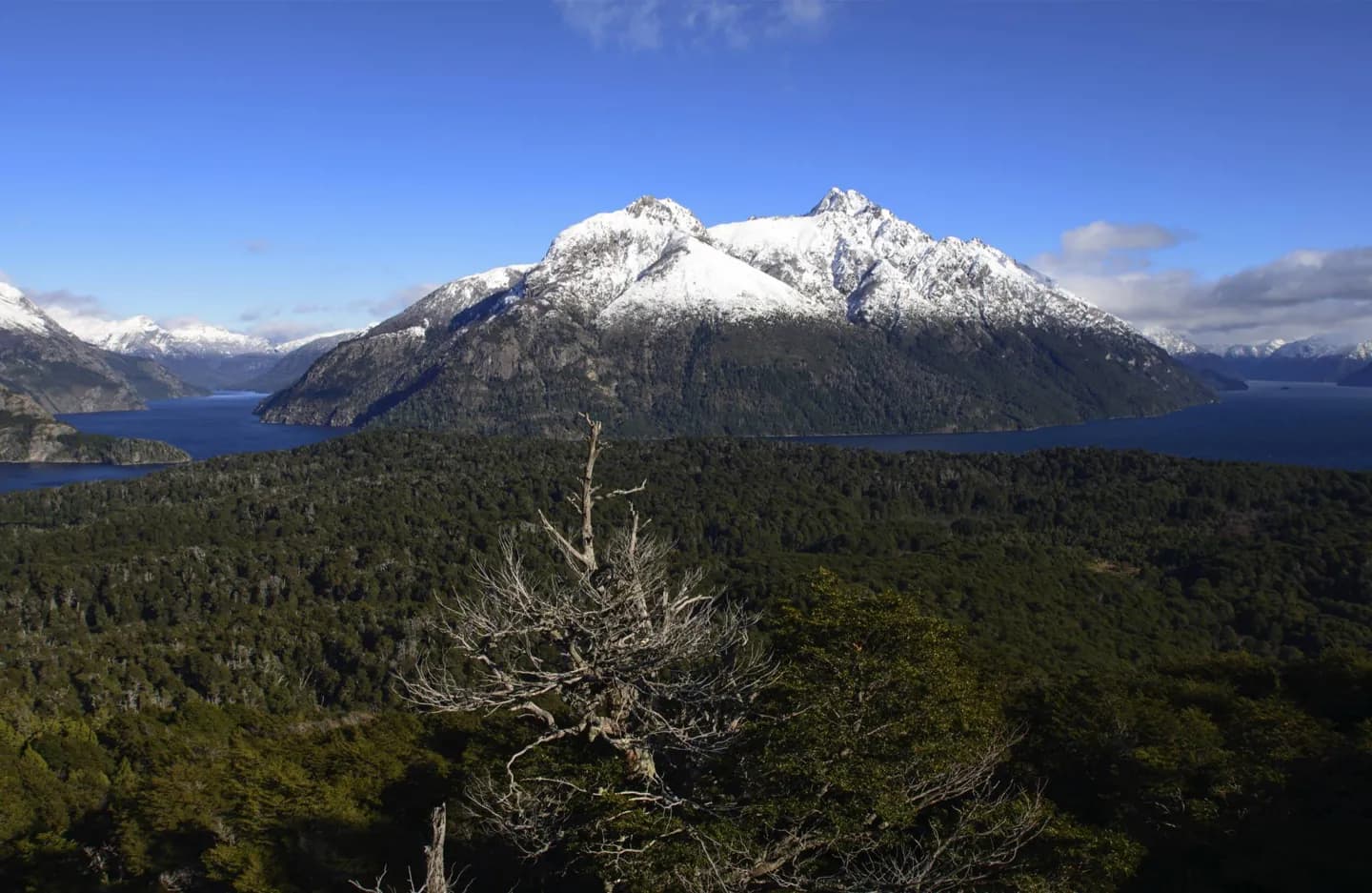
The background explains why the park and Bariloche feel closely connected. Francisco Moreno's 1903 land donation began the protected-area story; the park's establishment and early tourism planning later shaped recreation, building rules and the city's role as a lake-district base.
The full story
The area around Lake Nahuel Huapi had a long human history before national park boundaries were drawn. In 1903, Francisco Moreno donated land to the federal government for protection. A later decree recognized the need to conserve the area, and Nahuel Huapi National Park was established in 1934. The new park was also part of a tourism project: planners saw the mountain setting and nearby Bariloche as a destination that could attract travelers. Early park administration introduced rules touching construction, fishing, sanitation and permits, showing how conservation and organized visitation developed together. Recreational uses such as mountaineering then became more prominent. These dates matter less as a timeline than as an explanation of today's landscape. Bariloche is a town beside a large protected area, while the park contains many different lakes and mountain districts. The national park idea did not create the terrain or its earlier histories; it changed how land around Nahuel Huapi was governed and presented to visitors.