
Why go
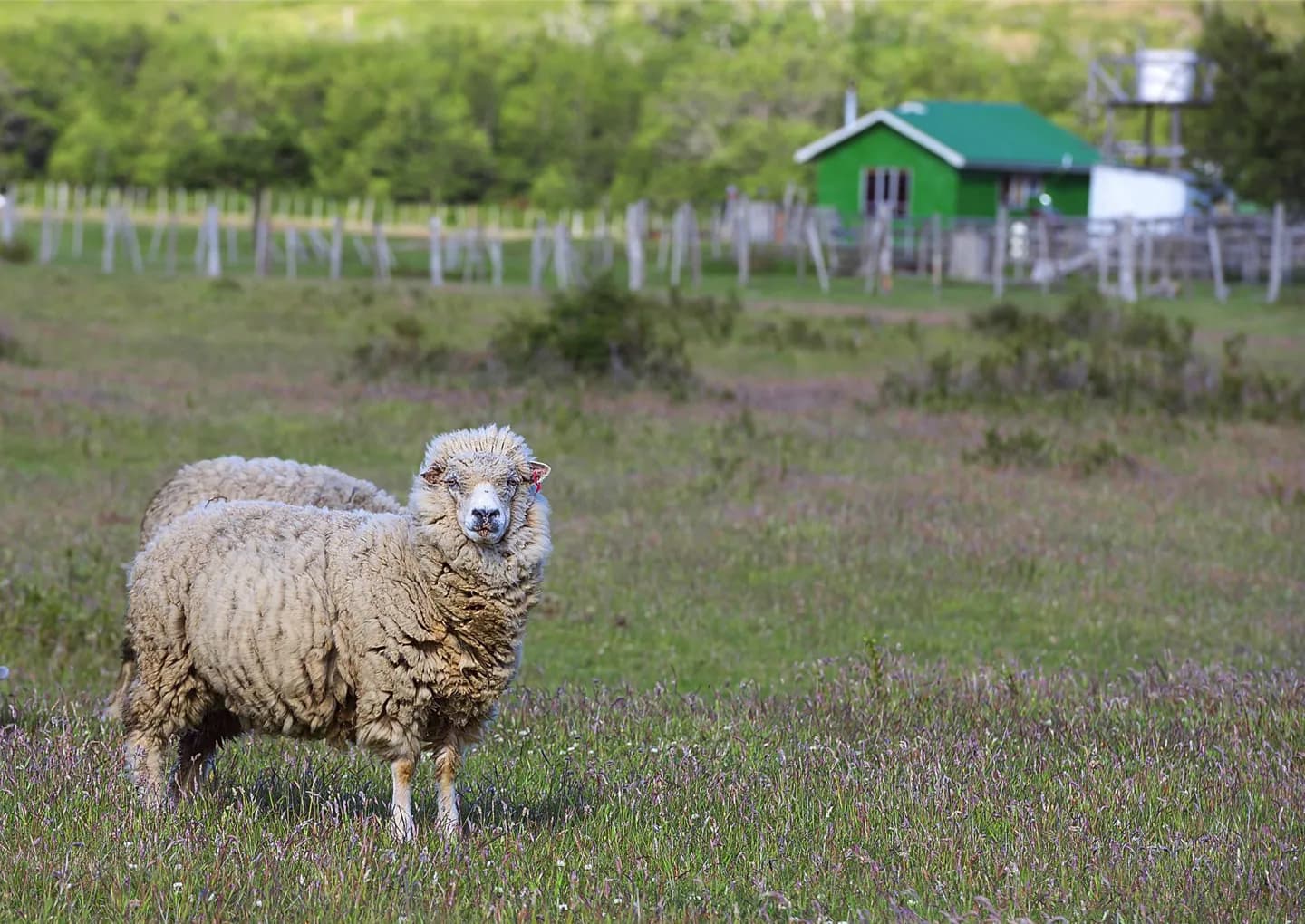
The history gives meaning to the ranch buildings and fenced grazing land seen across parts of Argentine Patagonia. An estancia was a large pastoral property organized around a central ranch complex; understanding that system helps read the region's working landscape and its environmental changes.
The full story
Sheep ranching expanded quickly across the grasslands of southern Argentina and Chile in the late nineteenth and early twentieth centuries. On the Argentine side, extensive estancias organized vast grazing areas around a casco central, the central cluster of ranch buildings where managers and workers lived. Wool was an early driver; meat export became more important as refrigerated shipping developed. The boom drew migrants and changed settlement patterns, but its effects reached beyond employment and trade. Heavy grazing contributed to changes in the fragile steppe, including erosion in some areas. This is one reason the open land should not be read simply as untouched wilderness. The ranching story also crosses a border: events around the Strait of Magellan belong to Chilean and wider Patagonian history, while Argentine estancias form their own part of the landscape. For a traveler crossing the southern steppe, fences, ranch buildings and grazing land are evidence of that long economic shift.