
Why go
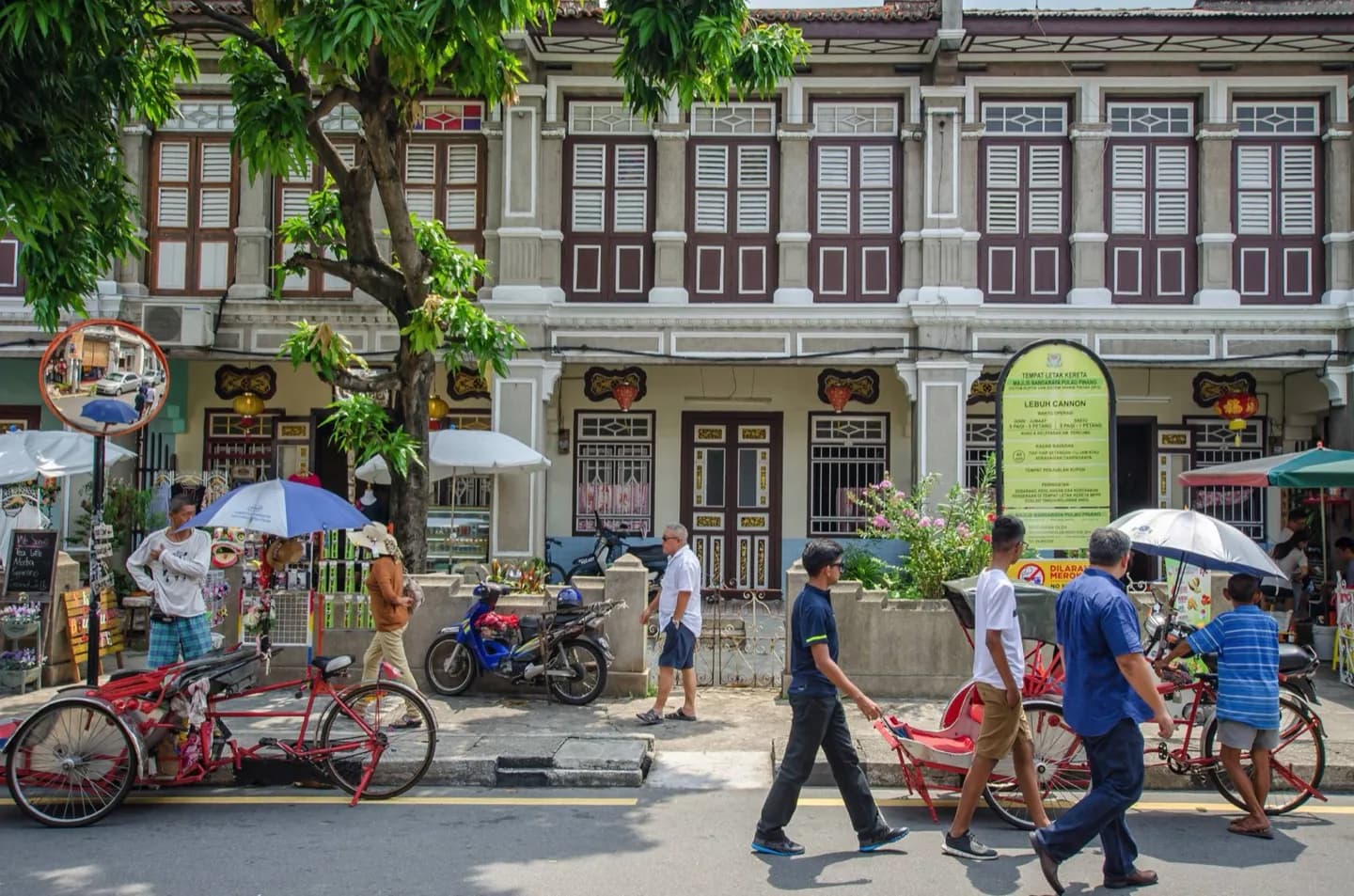
George Town's close-set mosques, churches, temples, clan houses and markets are not a themed display. They grew from living communities linked to trade, migration and mutual dependence, and they remain active places today. Use this context for communities of penang to choose compatible districts and avoid a fragmented day.
The full story
Malay, Chinese, Indian, Eurasian, Arab, Burmese, Thai and other communities shaped Penang's worship, food, language and urban institutions. It gives communities of penang a practical place within a wider Penang plan. George Town's close-set mosques, churches, temples, clan houses and markets are not a themed display. They grew from living communities linked to trade, migration and mutual dependence, and they remain active places today. The close spacing of a mosque, Hindu temple, Chinese temple and church in central George Town reflects centuries of migration, work and neighborhood life. Clan associations offered housing and mutual aid; religious institutions connected newcomers to language, food and ritual; markets made those networks economically visible. The result is not a tidy mosaic in which communities never overlap. Peranakan culture, multilingual popular music and shared street traditions show continuous exchange as well as difference. Visitors should enter this history with care: dress and behave for active worship, ask before photographing people, and avoid reducing living communities to colorful scenery.