
Why go
Build meals around neighborhoods rather than famous stalls alone. Compare char koay teow, nasi kandar, assam laksa, Hokkien mee and kuih, then notice how breakfast, lunch and late-evening choices move between markets, coffee shops and open-air hawker centres. Use this context for how to eat in penang to choose compatible districts and avoid a fragmented day.
The full story
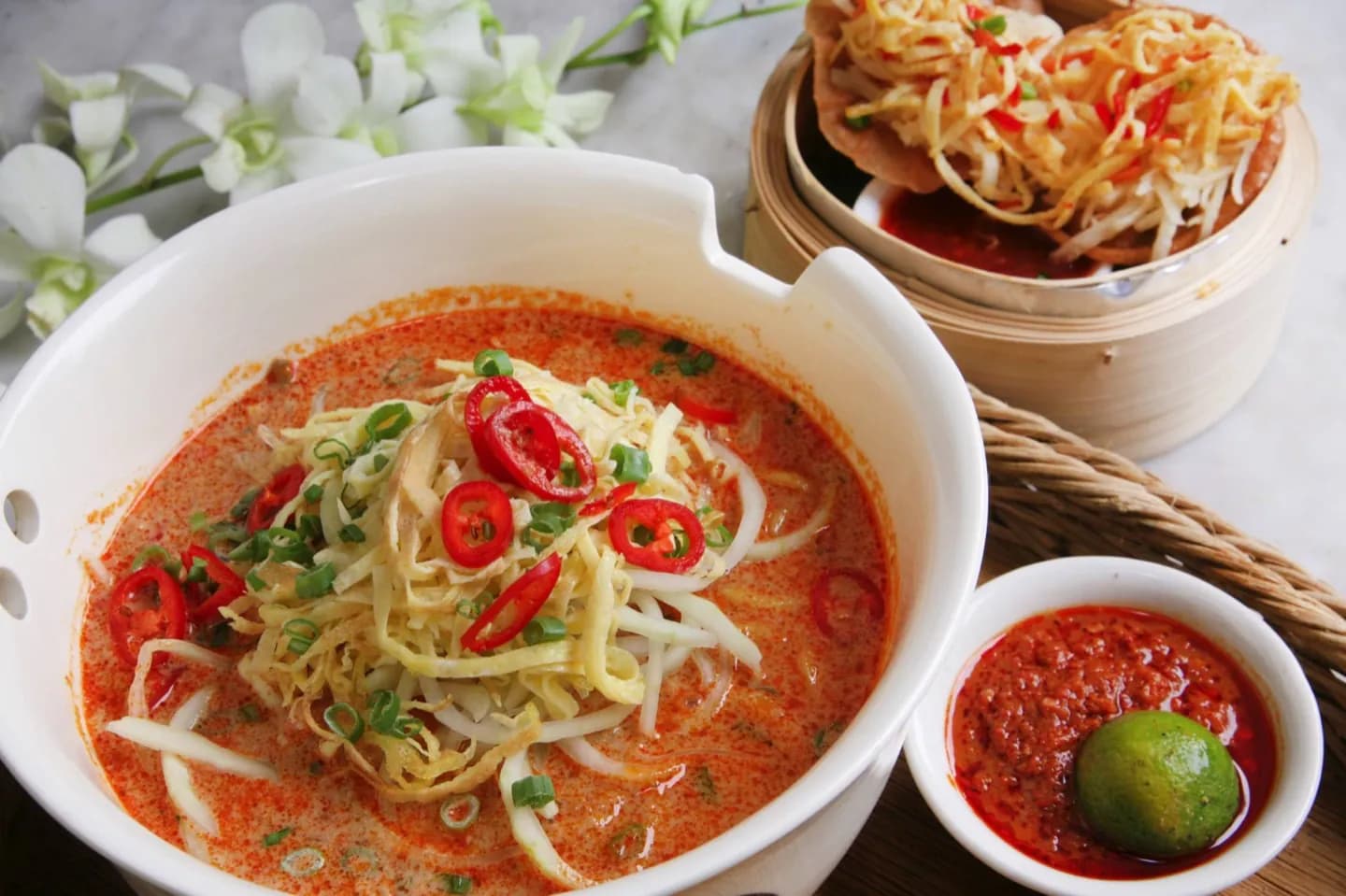
Penang food is best understood through hawker centres, markets and dishes shaped by Malay, Chinese, Indian and Peranakan kitchens. It gives how to eat in penang a practical place within a wider Penang plan. Build meals around neighborhoods rather than famous stalls alone. Compare char koay teow, nasi kandar, assam laksa, Hokkien mee and kuih, then notice how breakfast, lunch and late-evening choices move between markets, coffee shops and open-air hawker centres. Hawker food makes Penang's port history edible, but the useful unit of planning is a meal district rather than a single celebrity stall. George Town coffee shops and markets support morning and midday rounds; Air Itam connects market life with dishes such as assam laksa; Gurney and other centers become livelier later. Nasi kandar reflects Indian Muslim food culture, while Peranakan cooking shows long exchange between Chinese and Malay kitchens. Order modestly across several meals, note that recipes and spellings vary, and follow local cues for shared tables. Queue length is not the only measure of quality or cultural value.