
Why go
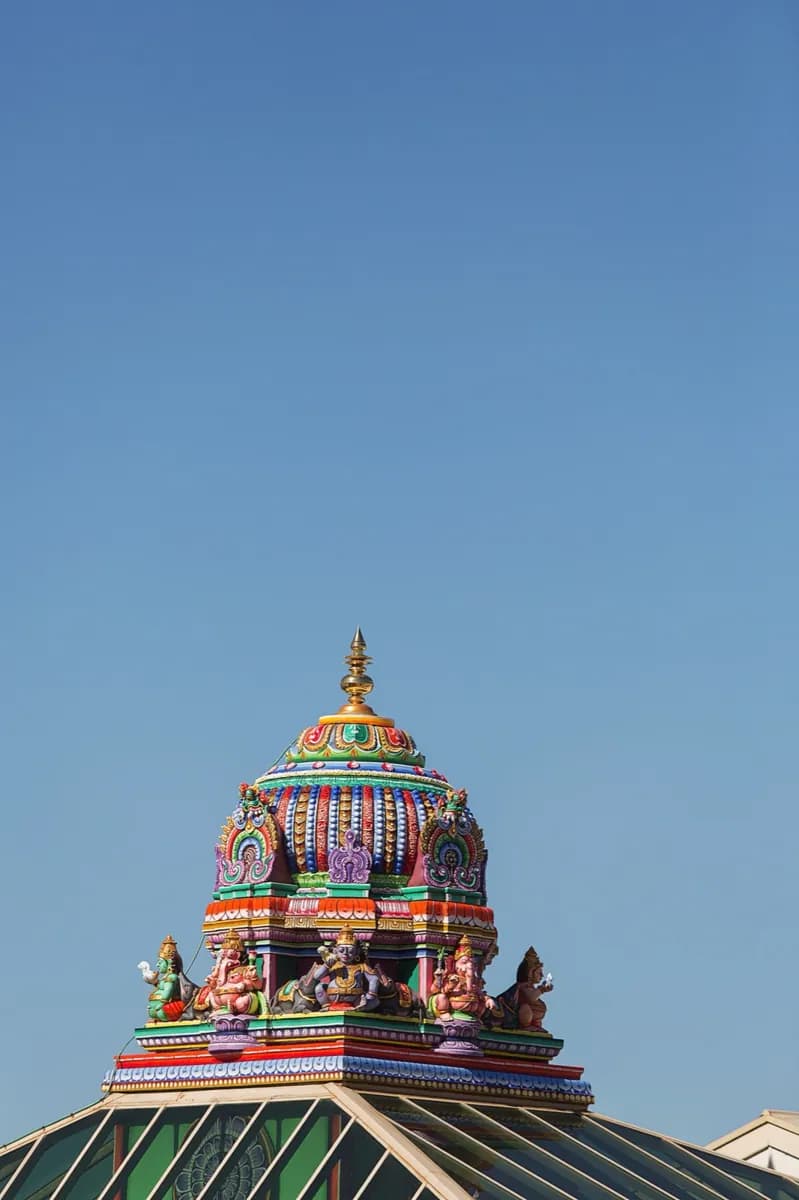
Church buildings can speak to colonial history, while Indigenous art and storytelling may express specific spiritual relationships to land or sea. Mosques, temples and synagogues reflect later and continuing migration. Look for the tradition and community associated with a site rather than assuming one national religious story.
The full story
Aboriginal spiritual traditions are bound to particular peoples, stories, law and Country; art, story and dance can express these relationships. Torres Strait Islander customs have their own island and maritime contexts. At a cultural site, follow the names and explanations given by the relevant community. Christian churches expanded after British settlement in 1788 and played roles in education, health and welfare. Anglican and Catholic traditions are especially visible in that history. Migration has also made Islam, Buddhism, Hinduism and Judaism part of Australia's religious landscape. Attendance and religious affiliation change over time and differ among communities. When visiting a place of worship or viewing religious art, identify whose tradition it represents and follow the site's current visitor guidance. That gives more reliable context than assuming a building stands for the beliefs of all Australians.