
Why go
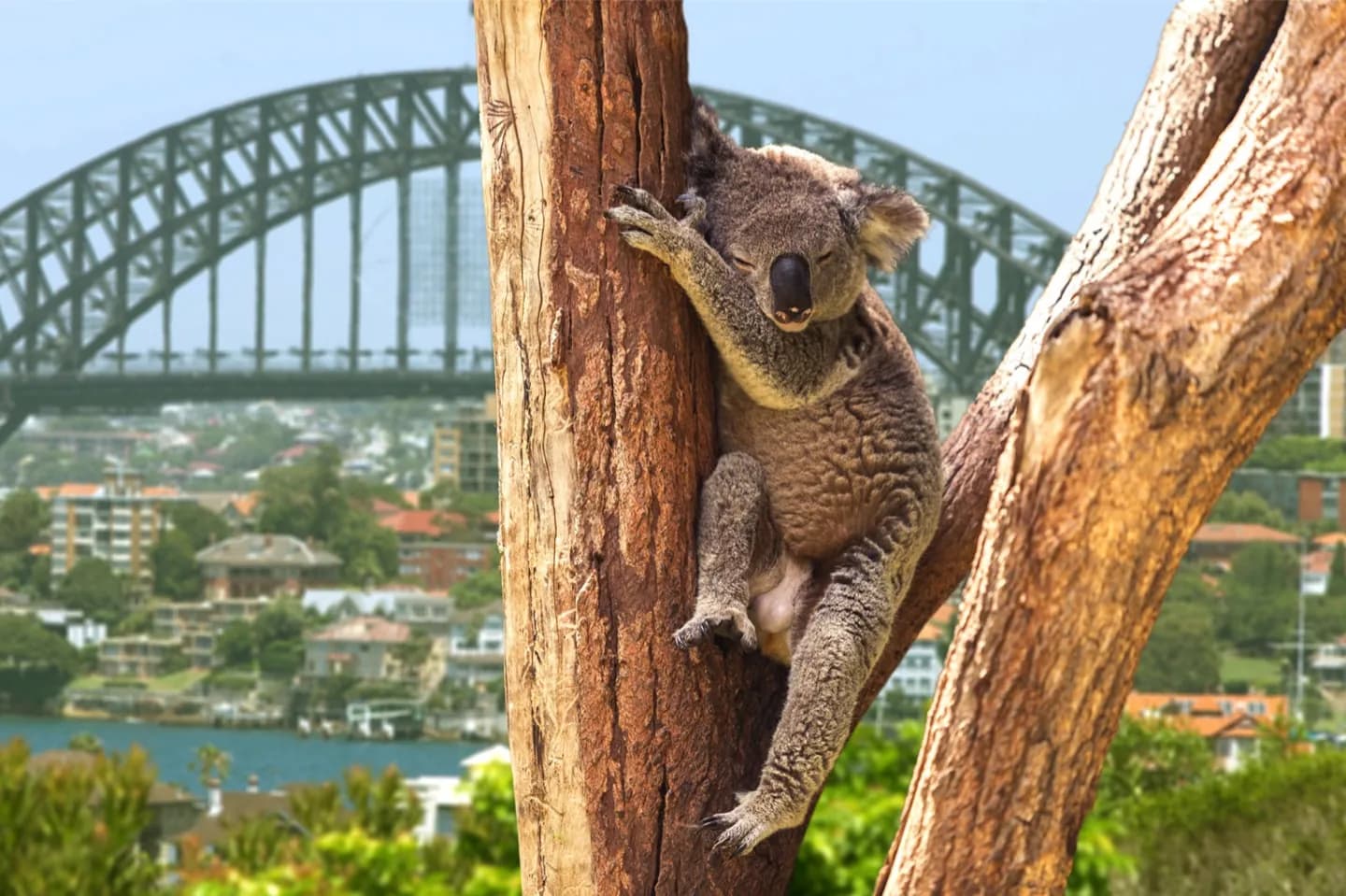
This overview makes animal encounters easier to place in context. Possums and gliders belong to eastern eucalypt forests; crocodiles belong to northern coastal waters, rivers and wetlands. Kangaroos, koalas and wombats are part of a broader marsupial story, while platypuses and echidnas belong to the unusual egg-laying monotremes. Expect different wildlife in different regions.
The full story
Australia's wildlife developed over a long period of geographic isolation. Marsupials fill many roles occupied elsewhere by placental mammals: the group includes kangaroos and other macropods, wombats, possums and gliders. Australia is also home to monotremes, the egg-laying mammal group that includes the platypus and echidnas. These groups are distinctive, but no single animal represents every Australian landscape. Habitat gives a better clue to what belongs where. Gliding possums live in eastern eucalypt forests and use membranes between their limbs to move from tree to tree. In northern coastal waters, rivers and wetlands, saltwater crocodiles are a very different presence. The giant Gippsland earthworm is tied to one part of Victoria rather than the continent at large. Human settlement, introduced species and habitat change have also altered native fauna and contributed to extinctions. Wildlife is therefore best understood as a set of regional ecosystems, not as a national checklist.
Useful to know
- Match wildlife interests to habitat: forest species and northern wetland species are not interchangeable targets.
- Treat crocodile habitat in the north as a serious safety consideration and follow local access and warning signs.