
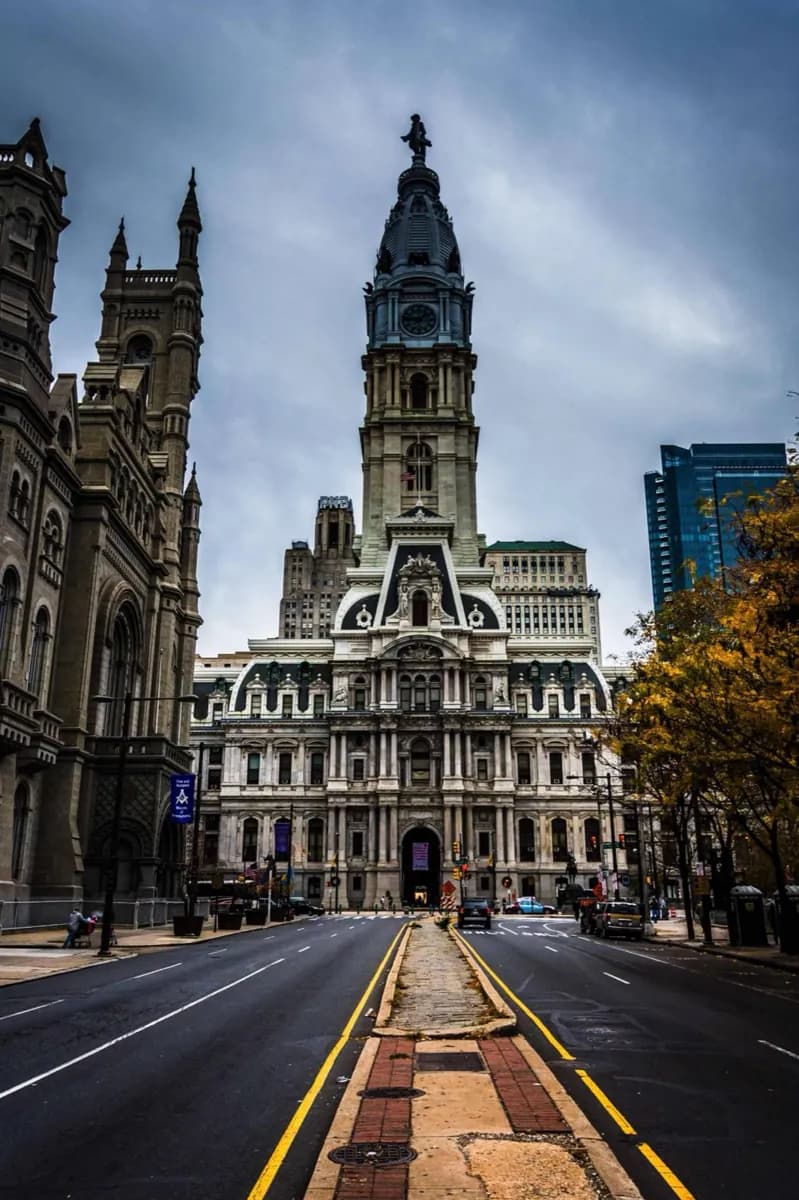
Why go
Philadelphia History works best before the route is fixed. The sequence from colonial port to national capital and industrial city explains why founding landmarks, rowhouse districts and civic institutions sit so close together. Let Philadelphia History set the first anchor. Return to Philadelphia History when choosing the next connection or postponing a separate district.
The full story
The sequence from colonial port to national capital and industrial city explains why founding landmarks, rowhouse districts and civic institutions sit so close together. Europeans came to the Delaware Valley in the early 17th century, with the first settlements founded by the Dutch, who in 1623 built Fort Nassau on the Delaware River opposite the Schuylkill River in what is now Brooklawn, New Jersey. The Dutch considered the entire Delaware River valley to be part of their New Netherland colony. In 1638, Swedish settlers led by renegade Dutch established the colony of New Sweden at Fort Christina (present day Wilmington, Delaware) and quickly spread out in the valley. In 1644, New Sweden supported the Susquehannocks in their military defeat of the English colony of Maryland. In 1648, the Dutch built Fort Beversreede on the west bank of the Delaware, south of the Schuylkill near the present-day Eastwick section of Philadelphia, to reassert their dominion over the area. The Swedes responded by building Fort Nya Korsholm, named New Korsholm after a town that is now in Finland. In 1655, a Dutch military campaign led by New Netherland Director-General Peter Stuyvesant took control of the Swedish colony, ending its claim to independence, although the Swedish and Finnish settlers continued to have their own militia, religion, and court, and to enjoy substantial autonomy under the Dutch.