
Why go
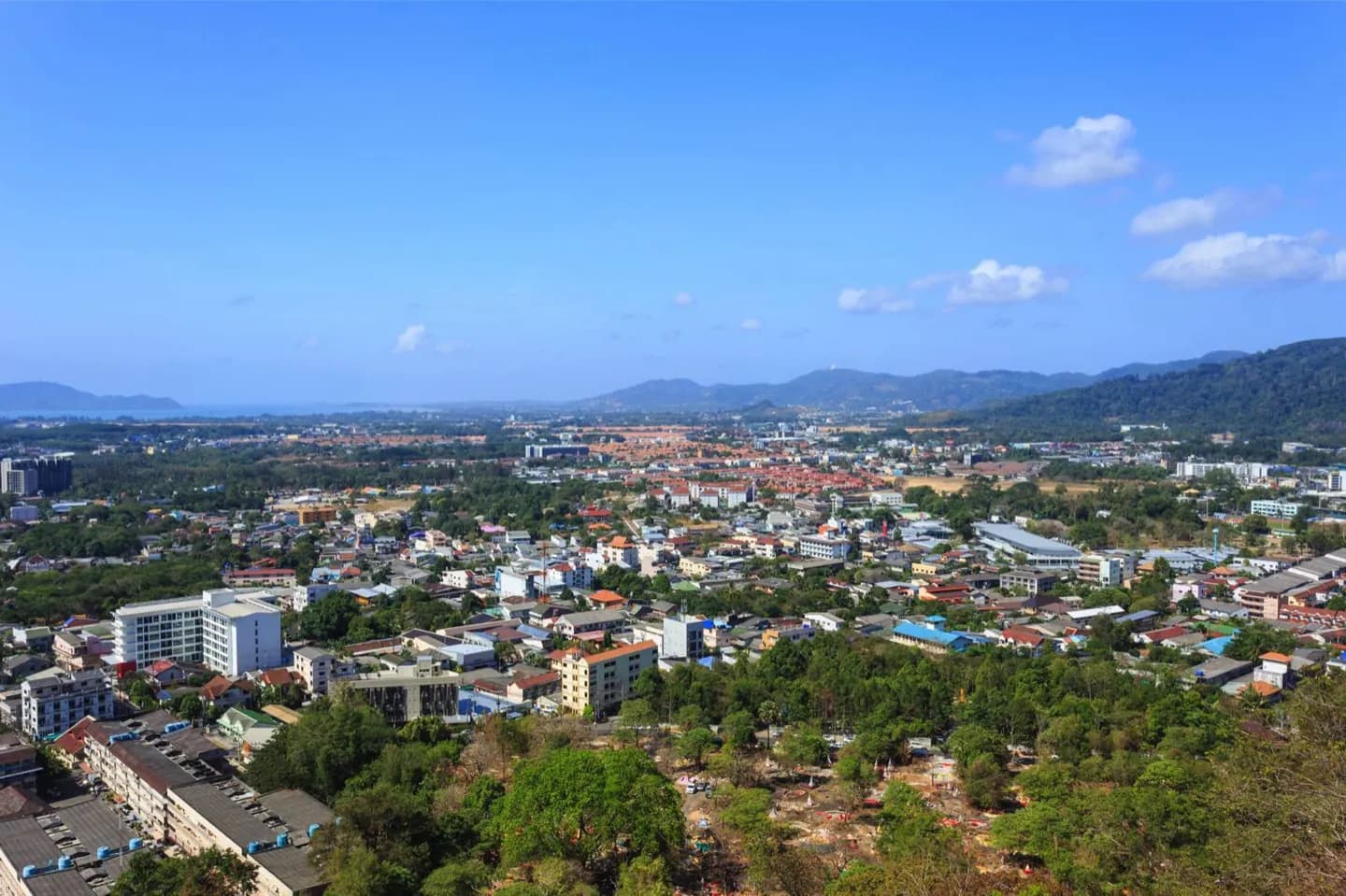
Stay for the contrasts that fit within one island: Patong and Karon on the west coast, Old Phuket Town’s tin-era streets, Wat Chalong, and the Two Heroines Monument. A bridge to Phang Nga also helps explain how Phuket’s beaches, hills, trade history, and religious traditions connect.
The full story
Phuket is both an island and a southern Thai province in the Andaman Sea, joined at its northern end to Phang Nga by bridge. Older names such as Thalang and Jung Ceylon reflect Malay, Thai, and European strands in its past. Tin drew overseas traders and later shaped the wealth and Chinese-European architecture now visible in Old Phuket Town. The island’s public memory also centers on Chan and Mook, the sisters who organized resistance to a Burmese attack in 1785 and are honored at the Two Heroines Monument. That history sits beside living traditions. Chinese religious heritage is visible in the Nine Emperor Gods Festival and Pho To observances, while boat-floating ceremonies connect coastal communities with the sea. For visitors, these layers are easiest to read through contrasting anchors: west-coast beaches such as Patong and Karon, the old streets of Phuket Town, Wat Chalong, the Two Heroines Monument, and southern viewpoints. Together they explain why Phuket is more than a resort coast.