
Why go
Read Tuscany's cities as successive centers of power. Etruscan traces at Volterra and Populonia precede Roman urban life; medieval trade and rival communes shaped Pisa and Siena; Florence's later wealth helped create the art for which the region is famous. The sequence gives older streets and civic buildings more meaning.
The full story
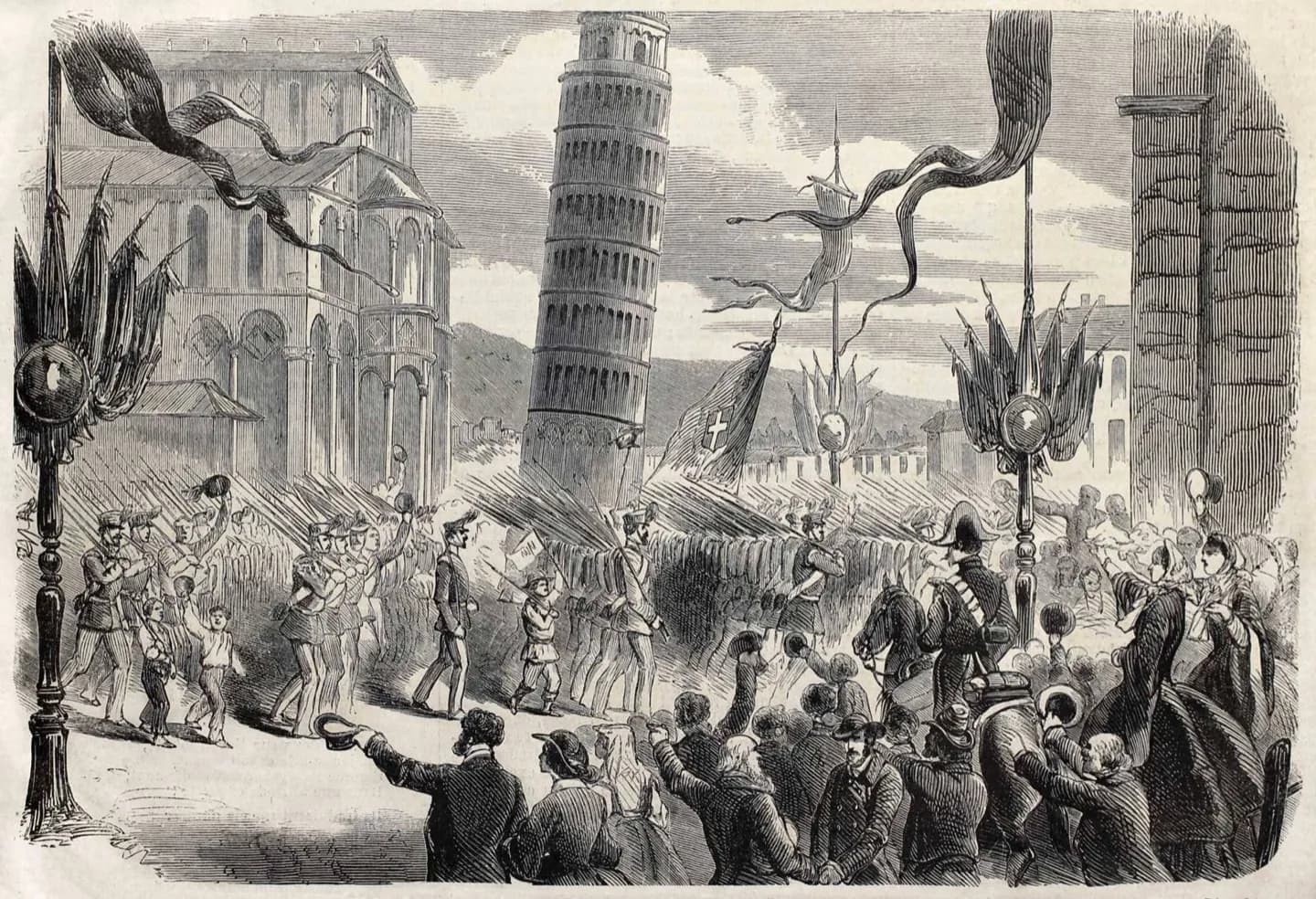
The Etruscans built towns and trade networks in the region before Rome absorbed Etruria. Roman roads and urban development followed, and Lucca became an important centre under the Lombards. In the Middle Ages, the Via Francigena brought pilgrims through Tuscan settlements and supported communities serving their journeys. Pisa grew as a maritime power, while Florence and Siena developed as rival communes. Conflicts between factions aligned with the papacy and the Holy Roman Empire divided cities as well as families. The plague of 1348 then struck a region already shaped by trade and urban life. Florence's Renaissance emerged from this complex civic history, supported by patrons and skilled workshops; it did not erase earlier Tuscany. In Pisa, the cathedral square speaks to maritime wealth. In Siena, surviving medieval streets and art recall a different political and artistic path. Seeing these places together is more revealing than treating the Renaissance as the region's whole past.